Posted in painting

Friday Finishes: Six by Six

Today I have two – six by six canvases – that will be submitted for sale in October to benefit my local art association. I had fun coming up with ideas.

Last week I did two sketches. One was intended to be a traditional watercolor work. The second will start out with watercolor, but will finish out with some threadwork.

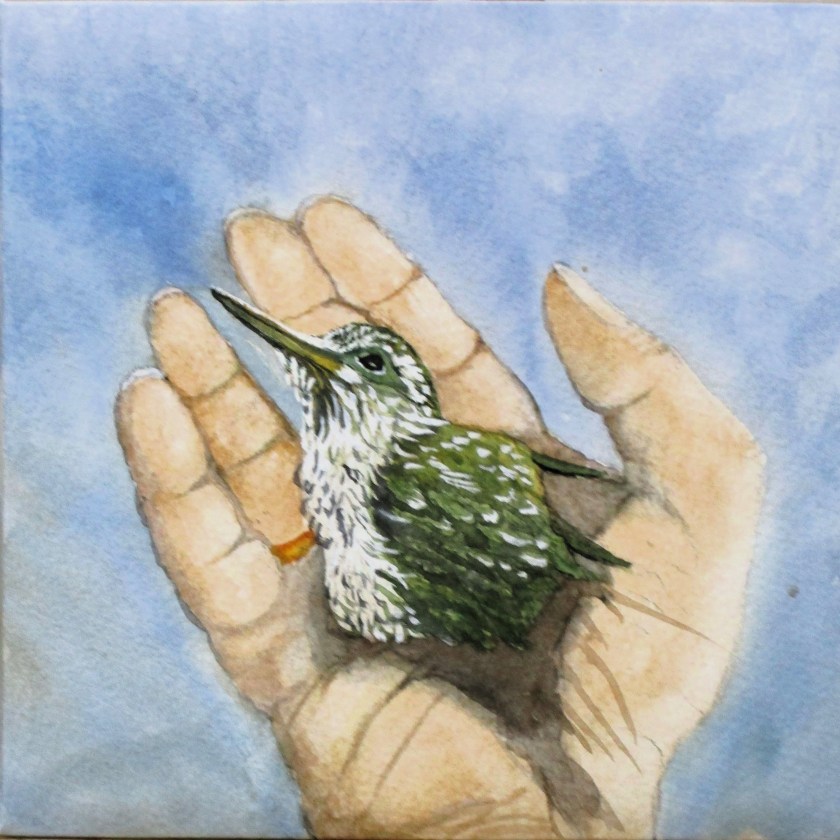
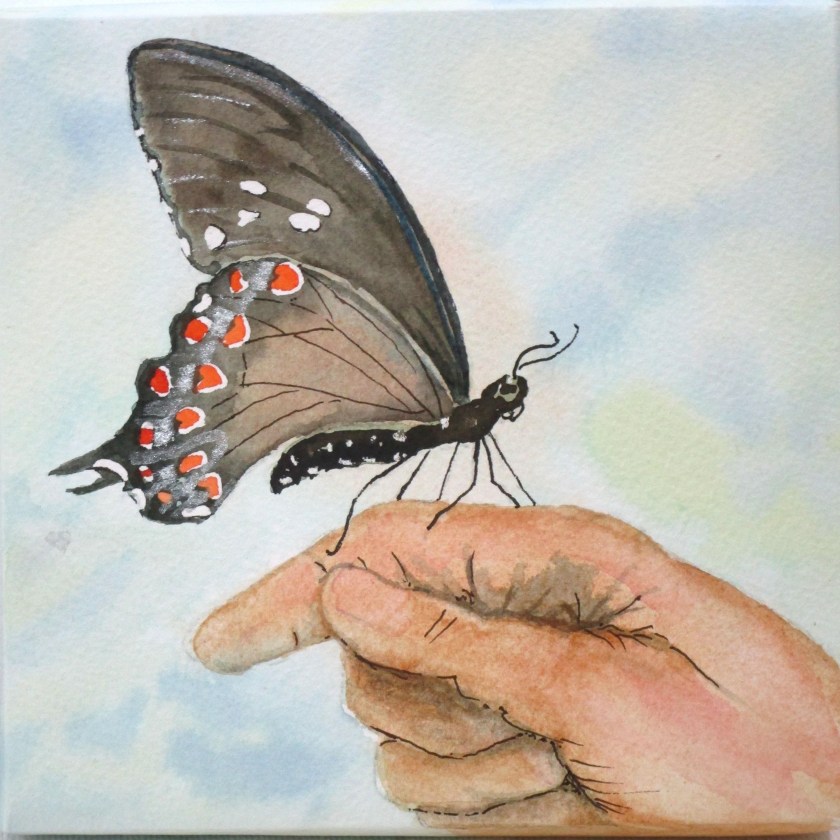
I call this work In Our Hands.

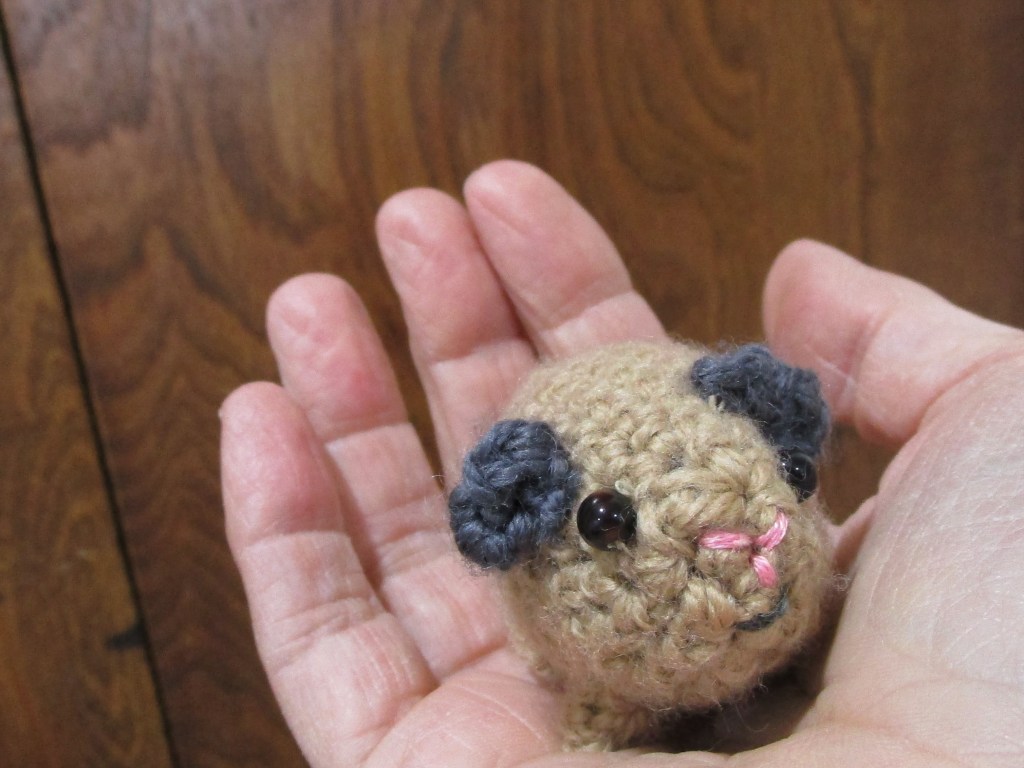
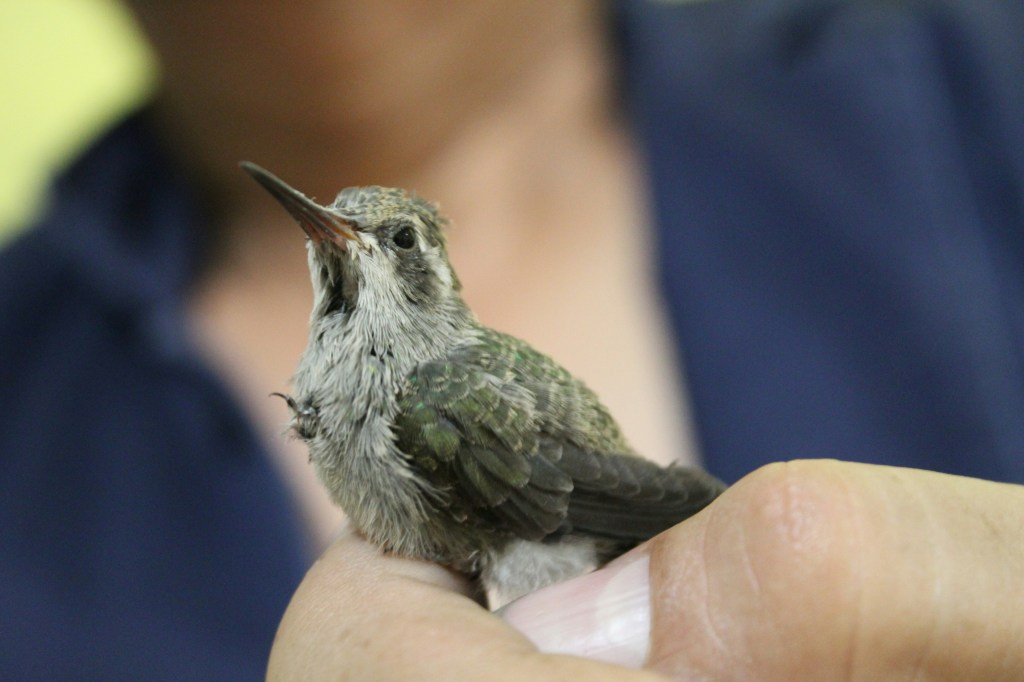
Reference photo:

Sketch:

Finished painting:

To utilize the 6 by 6 stretched canvas, I cut my watercolor paper into a 9 by 9 square. My initial wash was worked over the whole piece. After it dried, I cut it at the corners, wrapped it around the canvas, folding over flaps, which were stapled in place. I used double-face tape to press down the sides onto the canvas edges and cut off the excess. Then I proceeded with the rest of the painting.

Pigments used: Winsor lemon, quinacridone gold, raw sienna, transparent orange, Payne’s gray, Prussian blue and Winsor green, blue shade. Some silver metallic gouache suggests the pale iridescent scales of the butterfly.

For the second piece, I prepared the canvas with a product new to me: QOR Watercolor Ground. This base is supposed to transform the fabric canvas into a watercolor paper-like surface. Reviews were good, so I will give it a try.

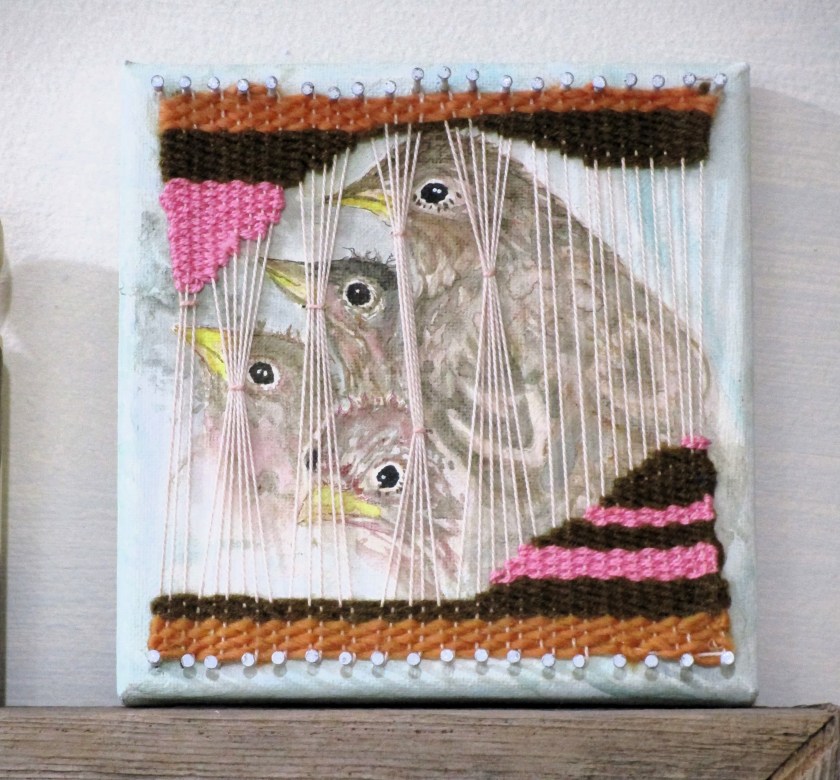
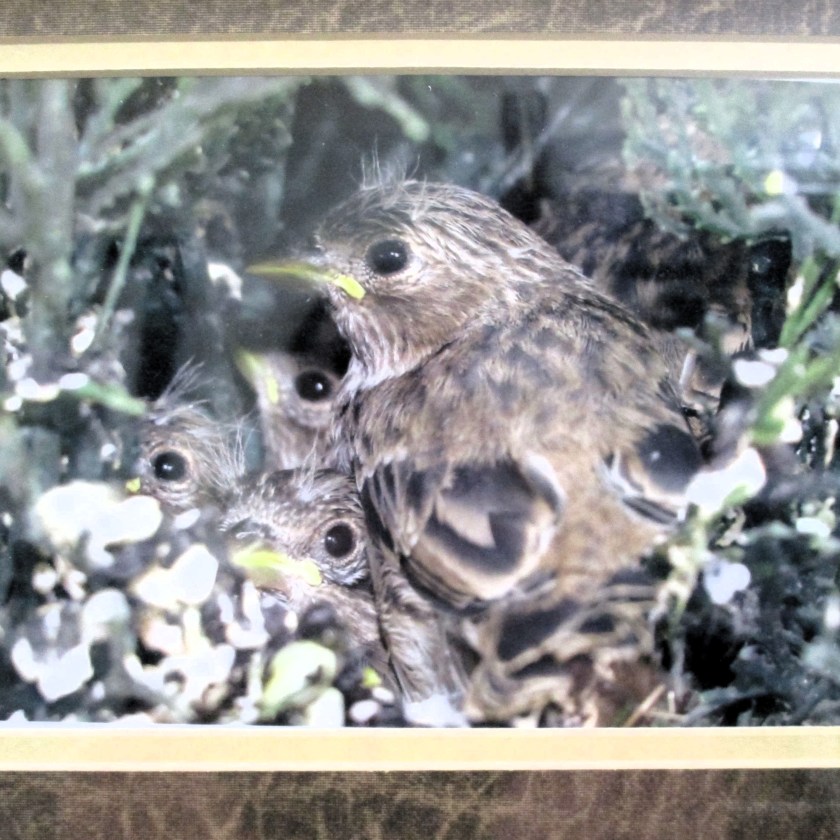
My reference is photograph of baby birds taken by Bill.

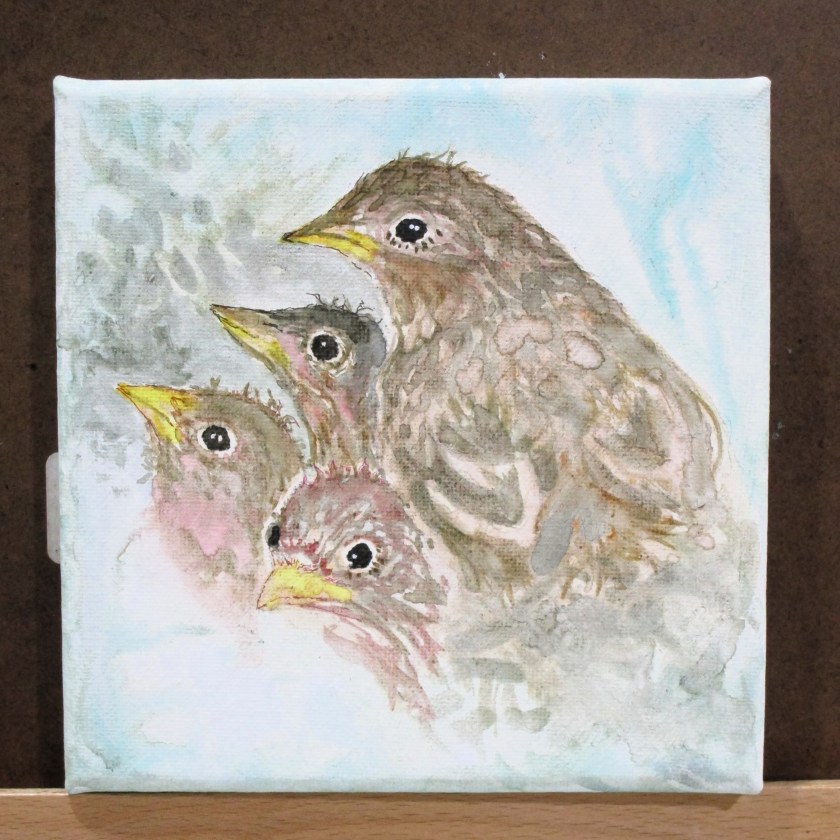
He discovered this nest outside a busy title office inside a fake plant. What was that mother bird thinking! I call this work Tight Quarters.

Original sketch

Partially completed painting with photograph in background.

Finished painting, ready for the next step.

Painting on the watercolor ground, IMHO, was nothing like painting on paper. These sparrows look like they have a serious case of bed-head feathers. I found it almost impossible to layer my paints in a normal way. When I tried to add a glaze, the underlayers would liquify. So, I just pushed the paint this way and that to suggest the texture of the feathers. Despite the struggle, I find that these little birds have a lively character which is appealing to me.

Pigments used were Winsor lemon, quinacridone gold, raw sienna, transparent orange, quinacridone red, ultramarine blue, Prussian blue and Winsor green, blue shade.

Posted in painting

Watercolor Wednesday

Last Wednesday, I participated in a watercolor tutorial offered by fellow art association member Cheryl Bryan. We were to paint a koi swimming near the surface of a pond. While she had a nice reference image, I preferred to use this one from Unsplash by Jason Leung.

https://unsplash.com/photos/macro-photography-of-koi-fish-7rR_WSk4HM0

Subjects in water are very appealing to me, especially creatures such as fish.

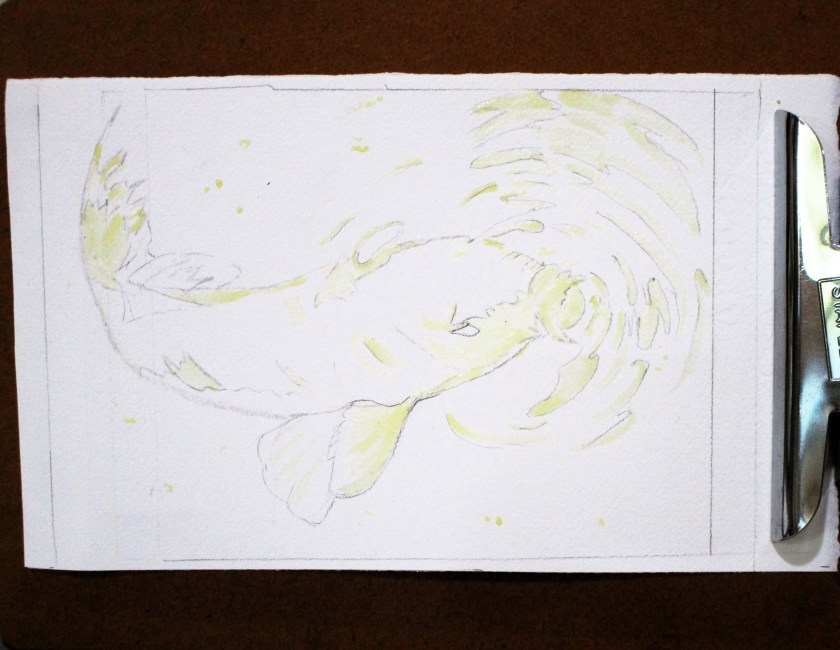
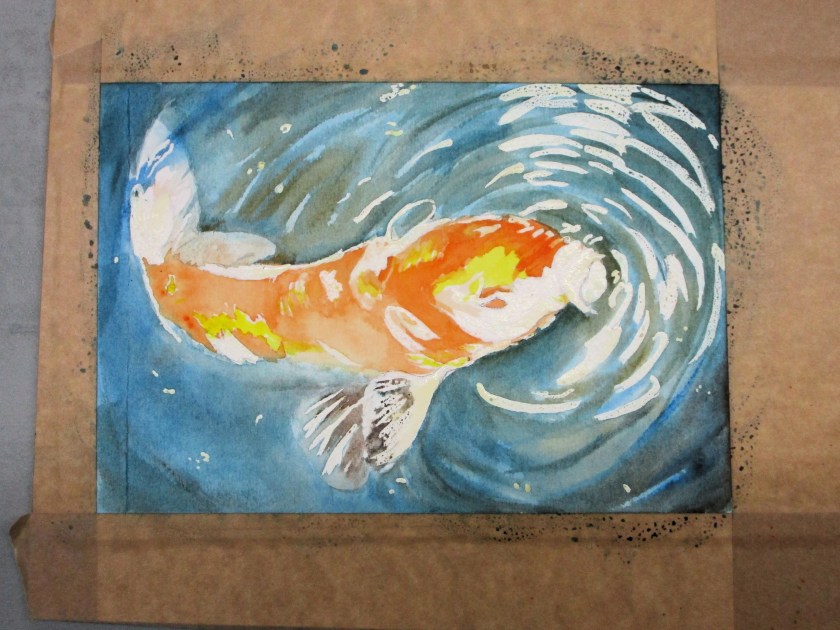
Here is my sketch of Jason’s photograph after I had added masking fluid to reserve the whites of the paper.

I am using Arches 140# cold press paper. The masking fluid is Incredible White Mask liquid frisket. I recently learned to apply this messy stuff by using a small paint brush that is first dipped into a solution of water and liquid soap. To apply little dots, I used the tip of a wooden knitting needle (!) Both worked great.

Here is my painting at the end of the 2 hours tutoring session.

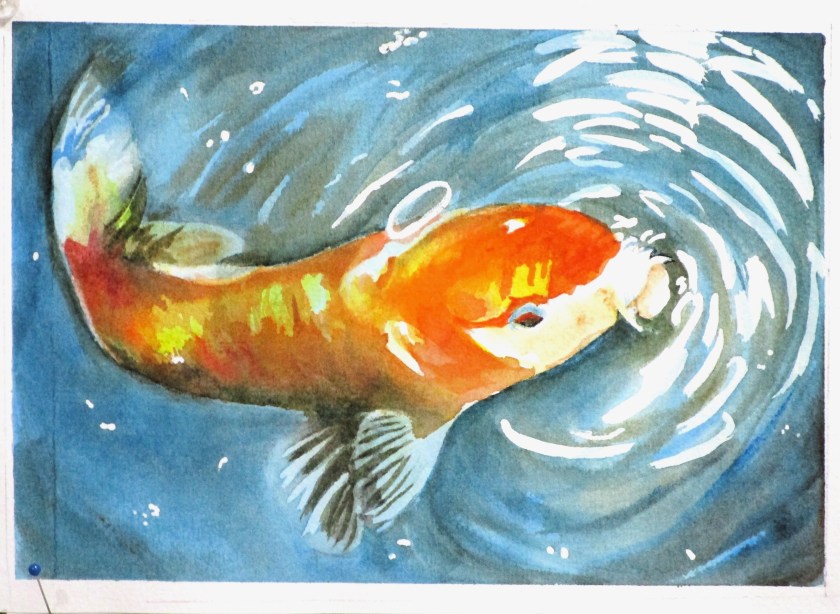
I had the background mostly complete and the first wash on the fish. The next day I painted more color on the fish, added shadows and a glaze of highly diluted Phthalo blue. After the paper dried completely, I removed the mask and added highlights.

I’m pretty happy with the result. The fins, tail and ripples came out well. You can tell that the head and mouth are poking through the water’s surface.

I’m less happy with the shadows and my color mixes. Perhaps I should have chosen different pigments.

Anyway, I have dipped my toes back into painting after a long hiatus. The dry spell is over, for now. (puns intended.)

Posted in painting, quilting

Wednesday WIP: Scrappy quilt update

I feel like I have been assembling four square blocks all summer long. I have sewn five sets of eight blocks, each set confined to one color in my analogous palette.

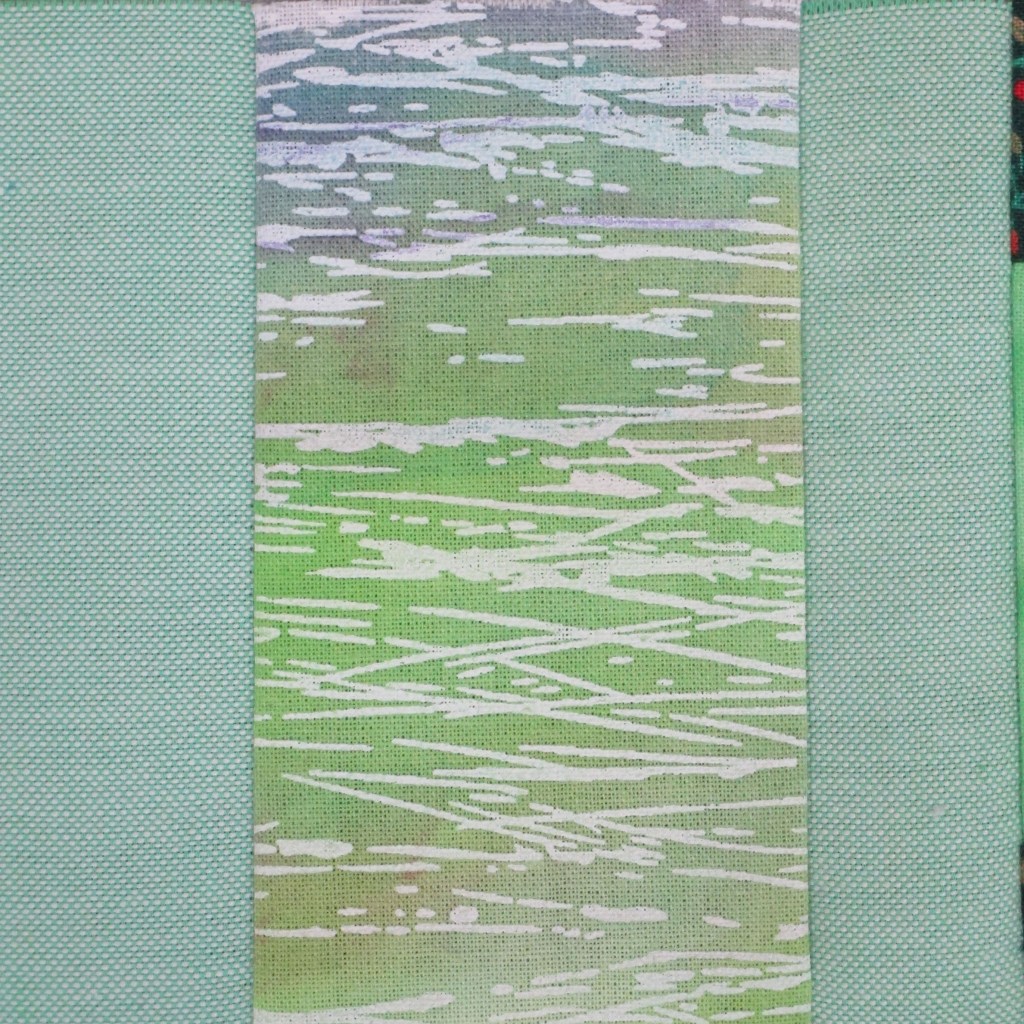
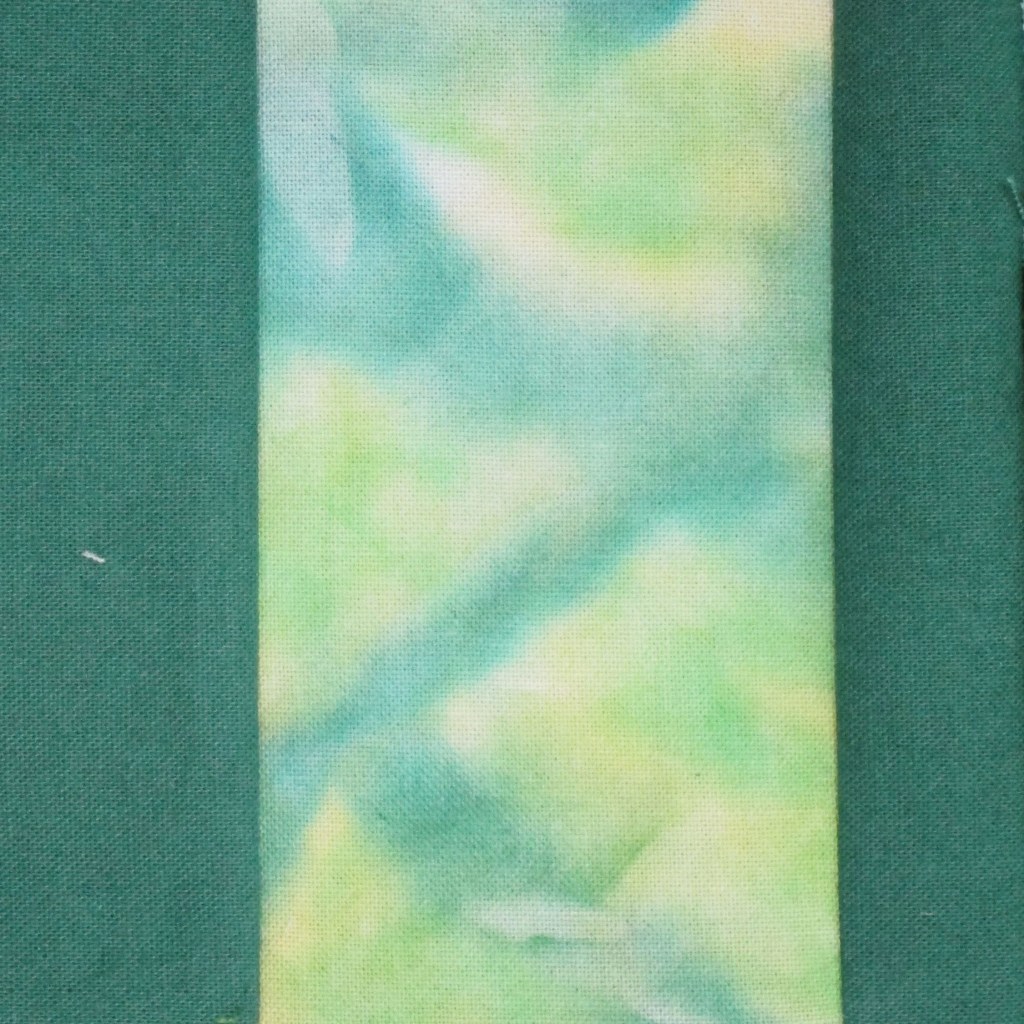
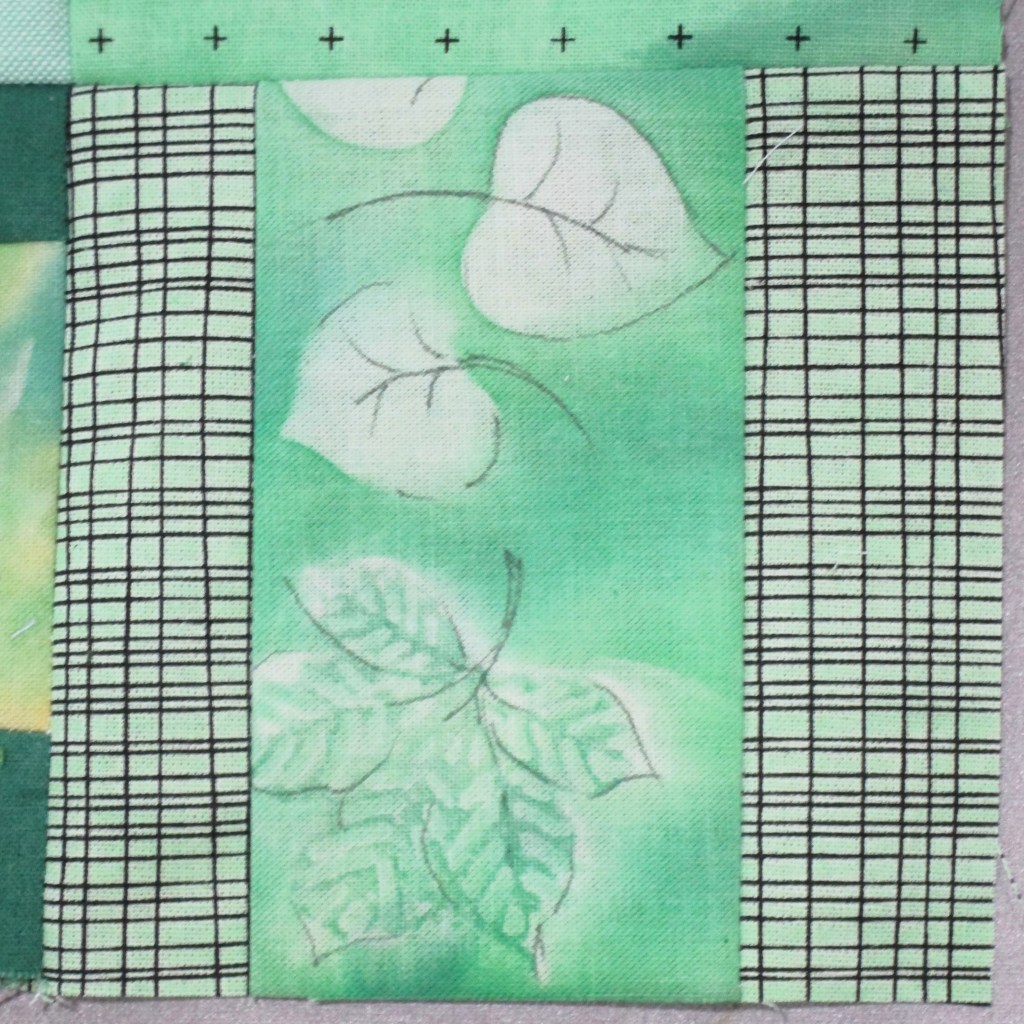
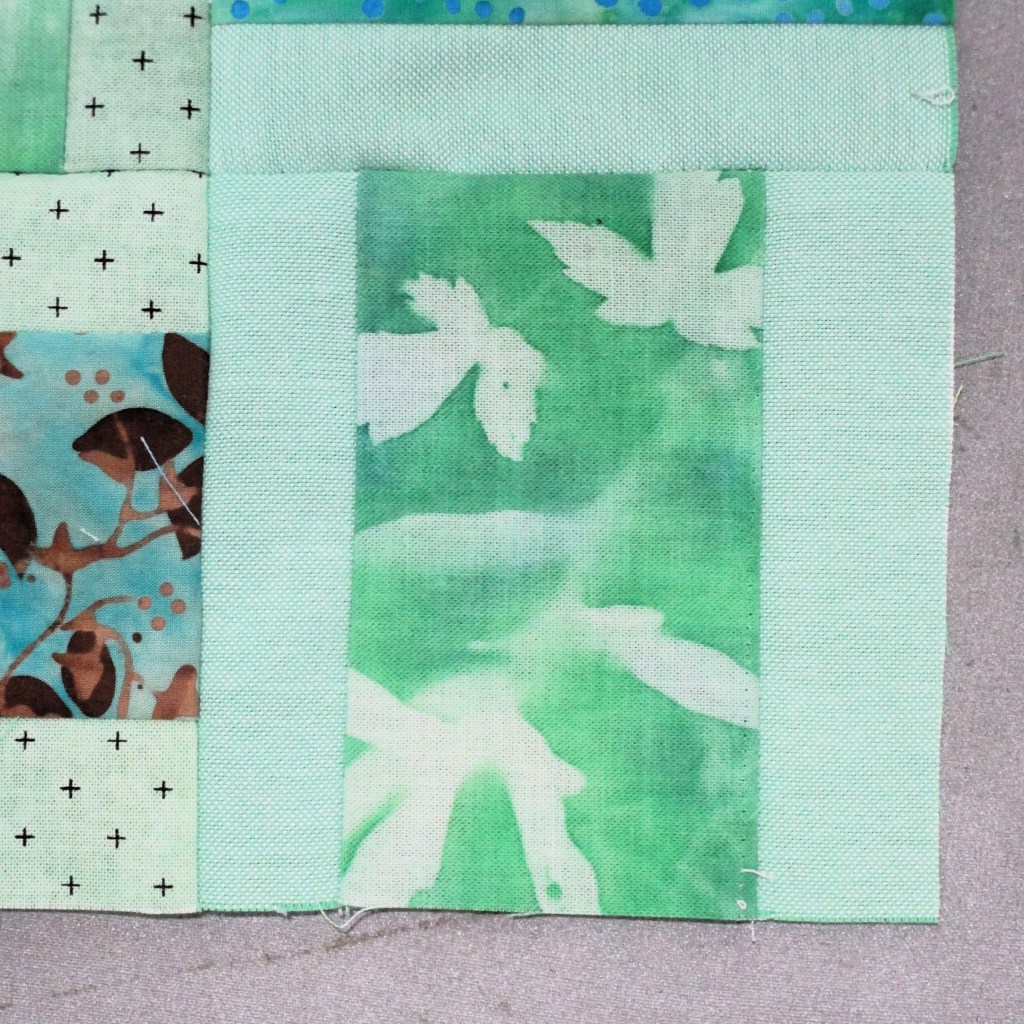
Finally, I am nearing the end of the block-building phase. There were two glitches that lengthened the time spent building blocks. Firstly, I ran out of scraps and couldn’t find the colors I needed at Hobby Lobby. This led me to adding color to my white or pale fabrics by painting them with Jacquard Dye-na-flow paint. I painted the featured 4 x 2 and 1/2 strips AND the 1 and 1/4 border strips to get the effects I was seeking. It was kind of fun, in a time-consuming sort of way.

Here is a sampling of some painted strips/blocks in green hues.

I ended up needing painted fabric in blue-violet, teal AND yellow green.

The second issue arose when laid out my blocks. I took an intense dislike to any block that had dark borders. To fix this, I cut apart many blocks and replaced the dark strips with light colored fabrics (mostly were created with paint on white fabric.)

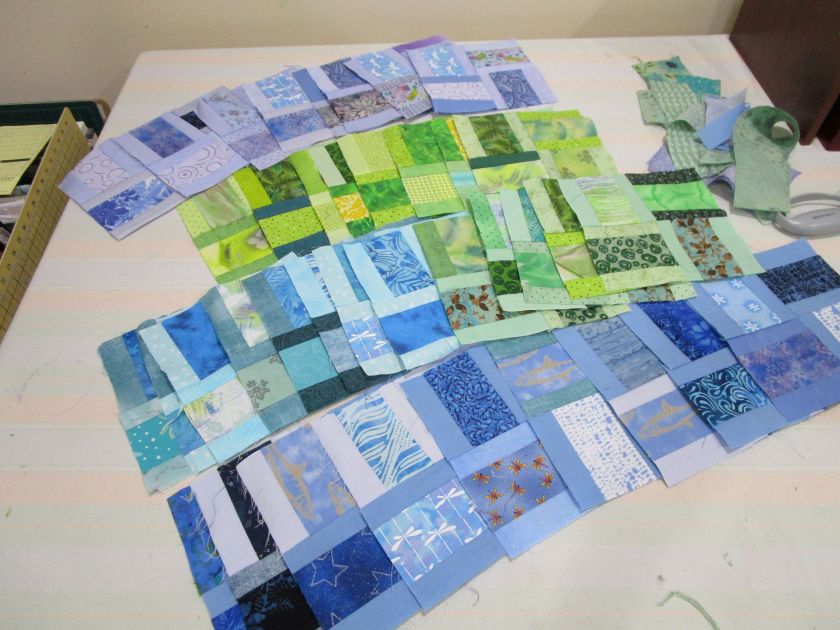
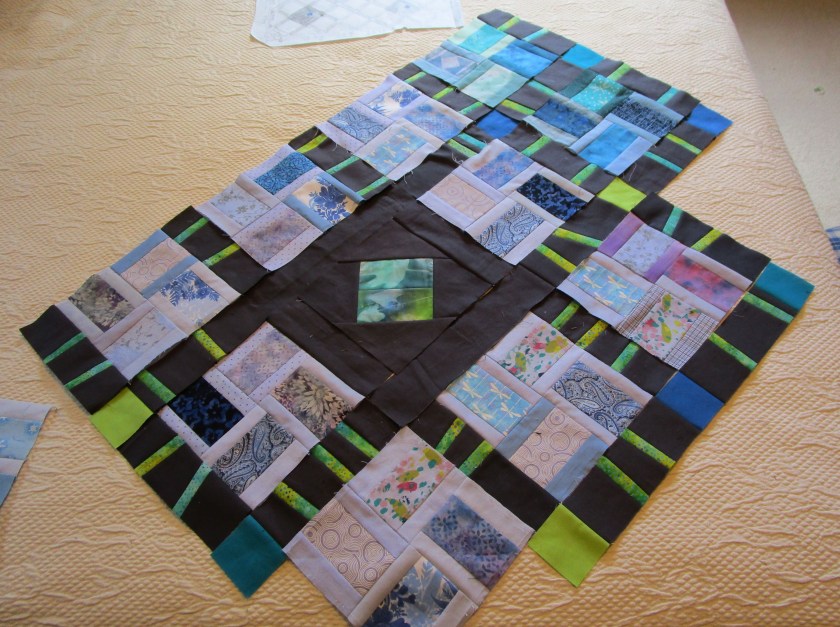
I now have enough blocks to form the five regions of my quilt. I have sewn a center block for each region using black fabric and hand-painted feature fabrics. To create some breathing room between my blocks, I made sashing with black fabric. Believing the black fabric was too boring, I cut the sashing randomly and inserted “sticks” of multi-hued batik fabric. Here is a the “blue-violet” region laid out and ready to sew.

I’m excited to start assembling the quilt, but a little nervous that the pieces won’t fit together properly.

Posted in painting

Friday Finish: Spring Flowers

After my latest experience in watercolor painting that yielded (to me) disappointing results, I decided to sign up for a tutorial. I reasoned that it would give me some pointers on realistic shadows and rebuild my confidence in painting.

Shari Blaukopf has a new course that teaches painting spring flowers. This will be my fourth or fifth tutorial with Shari, so I knew what to expect.

https://learn.shariblaukopf.com/

The first lesson is crocuses. Shari chose a perspective that it dramatic and not hard to do. Her reference photo was taken looking straight down at a group of flowers just opening up.

COPYRIGHT SHARI BLAUKOPF

I jumped right into the lesson, sketching it yesterday and painting it today.

Maybe I could have made my cast shadows darker.

This exercise was fun and relaxing. The palette I used incuded cobalt blue, quinacridone magenta, hansa yellow deep, transparent orange, carbazole violet, burnt sienna, ultramarine blue and yellow ochre. Paper is Arches cold press, 140 weight.

After I finish the next two lessons, I’ll go back and try painting my Admirable Weeds subject again.

Posted in painting

Admirable Weeds

My inspiration for this painting happened during a camping trip to Kansas in late March. At the site, I noticed a dozen or so Red Admiral butterflies floating around an open area near some trees. After following them around for awhile, I realized that they were taking nectar from two weedy non-native plants: henbit and dandelions. My thoughts went something like this: Those two plants are disdained by gardeners and the general public. Yet one of our most beautiful native butterflies found them attractive. There is something to be valued here that I wish to explore.

The henbit was lush and blooming profusely.

I grabbed another photo in my backyard, which I used to create my drawing.

For the butterfly reference, I went to Unsplash.com for this lovely by Don Coombez.

https://unsplash.com/photos/a-butterfly-sitting-on-top-of-a-metal-pole-PLyR1XIwcsU

Reference in hand, I started work, first by testing colors in my sketchbook.

Next came a pencil sketch which was transferred to Arches cold press paper.

Stages of the painting:

Masking fluid applied and Initial wash laid down.

First round of colors dropped in.

Foreground painted and additional layers added.

Masking fluid removed, some shadows and details painted in.

Finished up by adding highlights and cast shadows.

I’m relieved to have finished. These complex organic scenes are still very difficult for me. And while I can’t say I love every bit of my painting, I did achieve my objective.