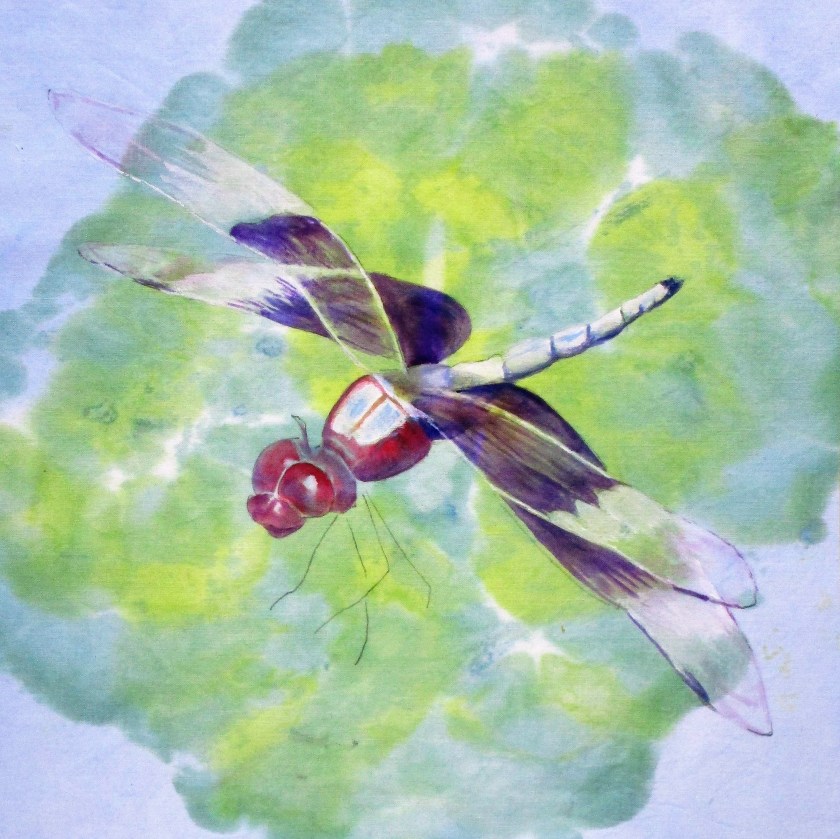
I have been busy painting dragonflies on my hand-painted backgrounds. The process is really fun! I have also been researching dragonflies. They are amazing animals.
Did you know that some dragonflies can live for six years? That is pretty good for an insect. Granted, up to four years are spent as naiads, in water. They look kind of like shrimp. Adult dragonflies have six legs, yet they cannot walk. They use their legs to snatch prey in flight, which they then tear apart and eat while still flying. If you were the size of a fly, you would find dragonflies terrifying.
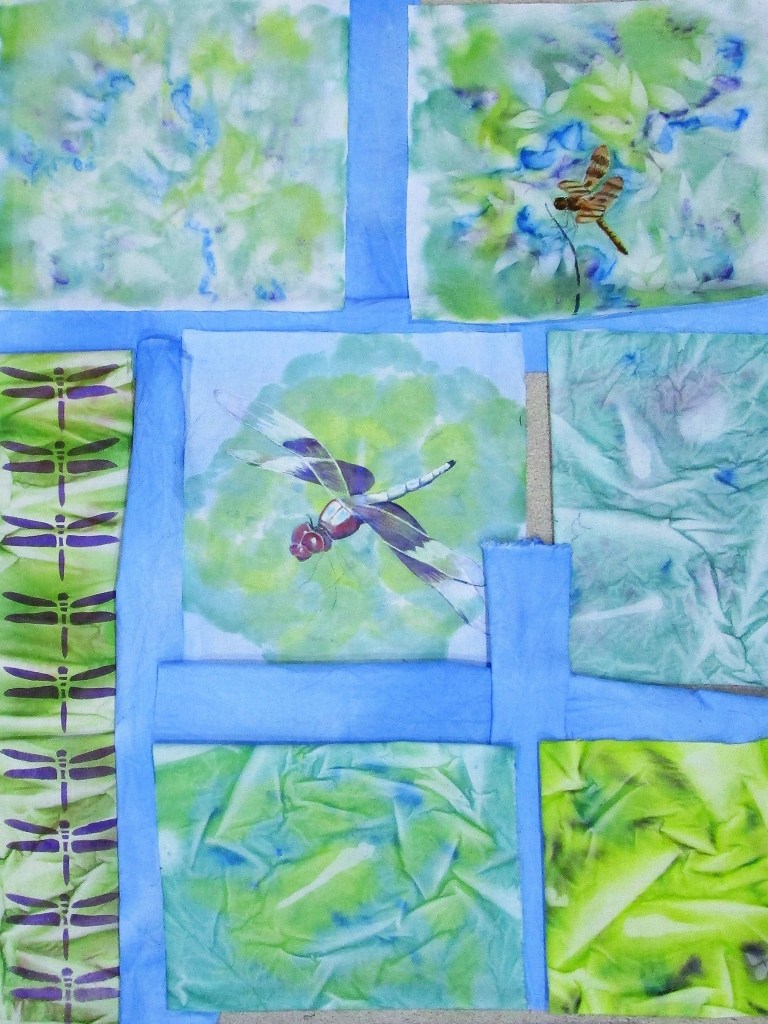
So far, five of my panels have dragonflies on them.
I cut a stencil to make these two panels
In addition to Jacquard textile paint, I am using watercolor pencils and Micron pens. The paint is thinned with FolkArt floating medium, which permits better blending and lengthens the drying time.
Here is a mock-up of the quilt layout I’m considering.
If I go with this layout, the finished piece will be 28 x 36 inches.
Two more panels need dragonflies, and then I will consider painting some details on some of the backgrounds.
I had hoped to make more art objects in the week after my return from vacation. But then I decided it’s better to keep posting what’s done than wait for more progress.
If you are following this subject, you know that I am working with husband Bill. He selects the photos, I make art objects inspired by them. This week I selected five photos that feature interesting textures.
Day 13: Mosaic floor in Roman church
What struck me about this image was its illustration of single point perspective. As you look down and away, the medallions morph from circles to ovals. I started by drawing two straight lines, narrowing towards the vanishing point. For my texture, I went with Zentangles.
Fun and meditative drawing with Micron pen on bristol smooth paper
Day 14: What would you do with this object?
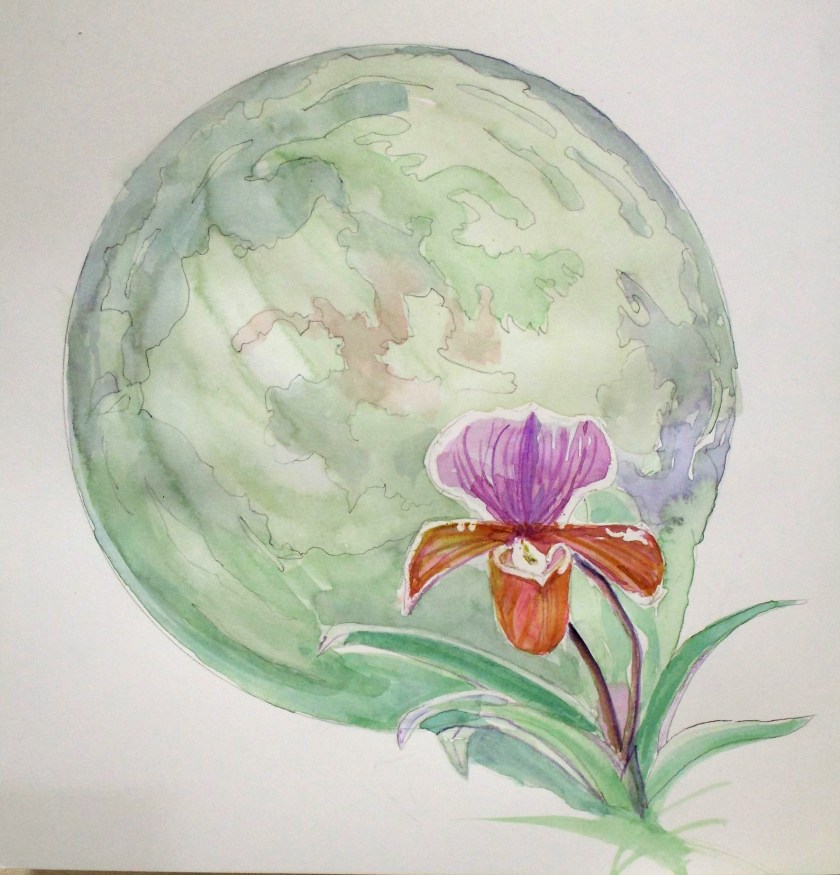
In case you can’t tell, it’s beachball floating in a pool. I found myself drawn to the reflection in the northern hemisphere of the ball.
Using pencil, I did my best to draw the shapes. Next, I combined it with this photograph of an orchid.
Day 15:
I added the orchid to the lower right corner of my pencil drawing, overlapping the edge of the circle. Then I dropped in color washes to the sphere. After that dried, I painted the orchid with darker shades.
Day 16: Ghost leaf
This is one of Bill’s favorites. The light is from behind, filtering through the oak leaf. The back leaf, peeking out between the lobes of the large front leaf, is casting its shadow.
I adore the color and texture of this image. It was impossible for me to do justice to the lacey network of golden veins. Instead, after painting on a golden wash, I lightly tapped the surface with a sponge dipped in masking fluid.
I also intensified the color of the background using orange’s complement, blue. The two hues side-by-side seem to throb.
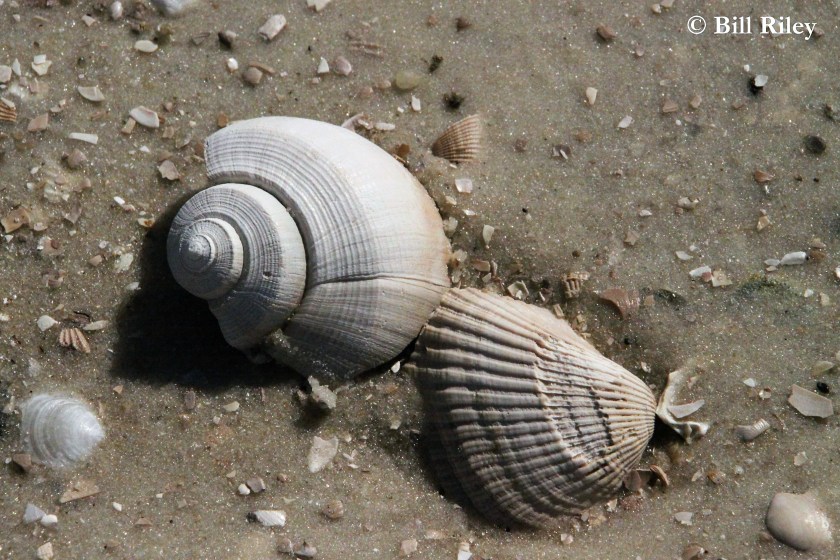
Day 17: Shells
This photo was chosen for making a quick study in my sketchbook. I drew the shells free hand using a watercolor pencil in a neutral brown. Using that and other watercolor pencils, I added detail, color and texture. Finally, I dissolved and blended the pigments with a wet brush.
I recently read Painting Light & Shadow in Watercolor, by William B. Lawrence. Inspired by his work, my next set of photos will be chosen for the presence of interesting shadows. I’m excited to see what happens.
My imagination was captured by the 100 Day Project Challenge. The idea is simple: choose a creative project, do it every single day for 100 days, and share your process on your social accounts using the hashtag #The100DayProject.
After thinking about aspects of my work that I want to improve, I hit upon the idea of collaborating with my husband, Bill. He is a dedicated photographer who carries his Canon with telephoto lens everywhere he goes. Consequently, he has an immense library of images. So here is what I suggested to him:
Process: From his library of photographs, he will curate several dozen into collections with prompts generated by me. From that point, I will create artwork based on the images, working daily for 100 days.
Guidelines: There are almost none. Back and forth consultations between photographer and artist are encouraged. I agreed to publish his photographs only if they are stamped with his mark.
Here are the prompts I provided to Bill:
Atmosphere
Best of the Birds
Creatures Great and Small
Faces
Gardens
Kids’ Stuff
Light Effects
Mineral
Photographer’s Choice
Rural America
Seasons
Transportation
Urban Architecture
Vacation Favorites
Waterscape
My plan is to work daily, but post on this site only once a week. I have no idea how many paintings, drawings, sketches, quilt blocks or knitted swatches will be made, so it seems easier just to group them.
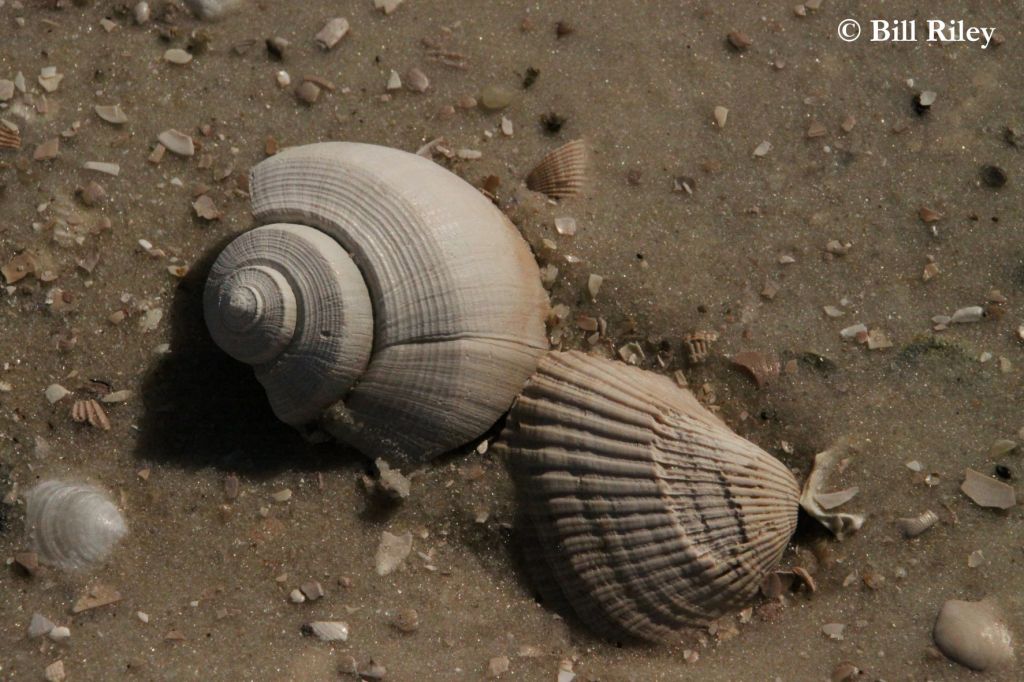
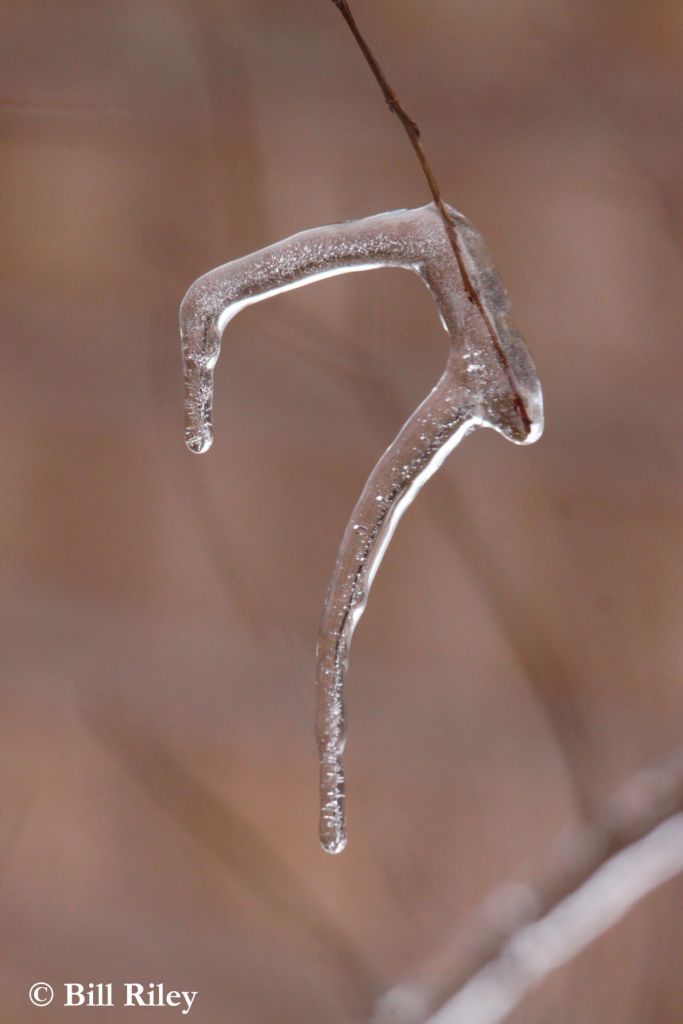
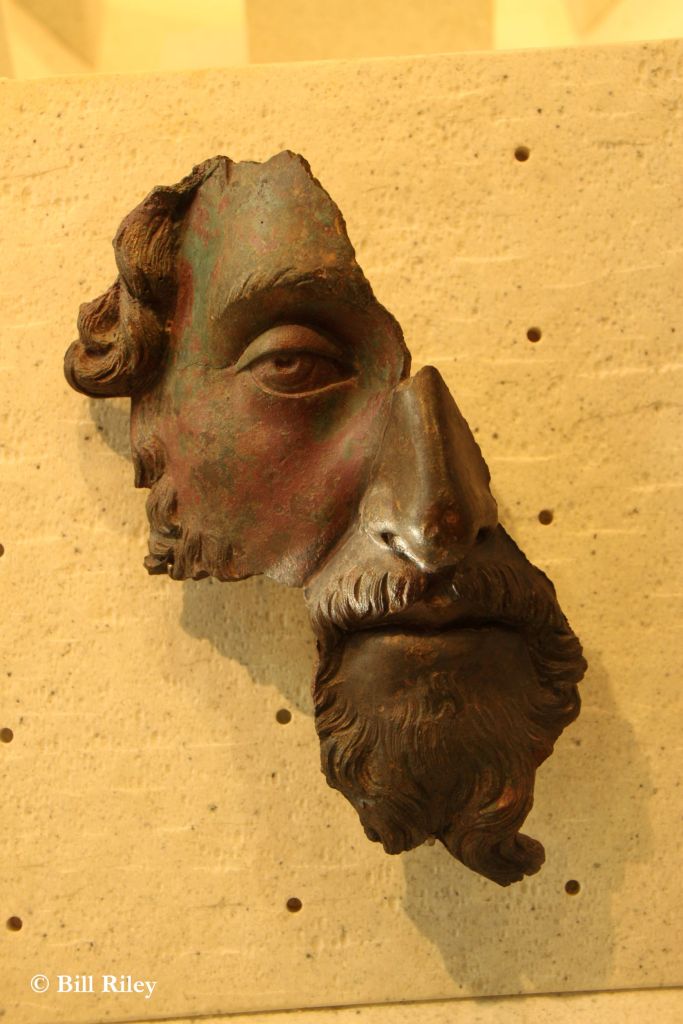
And here are the images I have chosen for study the first week of the challenge.
BIRDSMINERALWATERSCAPEWATERSCAPESEASONSFACES
Photographs by Bill Riley, reuse by permission only.
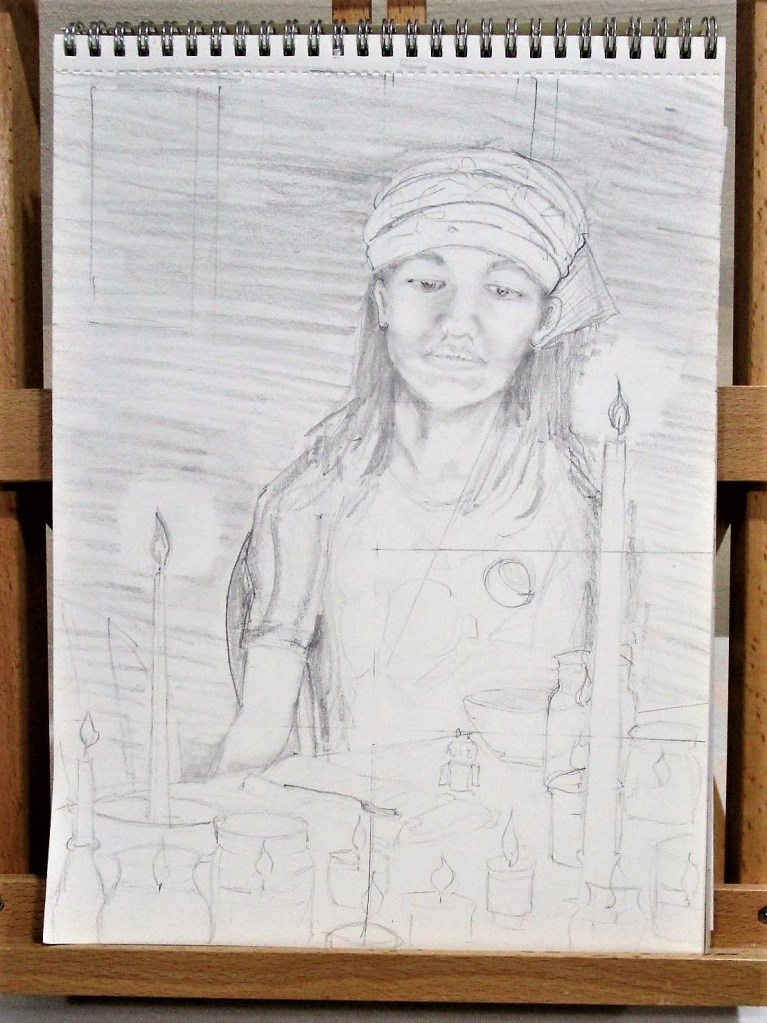
This is a preliminary sketch from a photograph I took of Henry on his birthday in November. Instead of having a cake with candles, he wanted to scatter the candles across the whole table. I managed to catch his face in an expression both solemn and thoughtful.
I hope to develop this sketch further, once in graphite and again in watercolor.
We’ve been enjoying lots of birds in our backyard. Because it has been such a dry and cold spring, the birds seem to be spending lots of time perched on the birdbath.
Male cardinal, photo taken last year
All the interest in the little blue birdbath reminded me that I had started a series of watercolor paintings of various creatures that stop here to drink or bath. In particular, I want to make a large-scale painting of an imaginary scene.
In my imagination, a bird and a squirrel are having an argument over which of them gets to drink first. I had done some small sketches and paintings of squirrels. Today I am sketching a blue jay perched here, right about where the cardinal is sitting.
To get started, I turned to David Sibley’s book, What it’s like to be a bird.
One of the things I love about this guide is the watercolor paintings, done to scale, of each bird featured. I knew Sibley was a great naturalist and now I know him as a fine illustrator. Turning to his image of blue jays, I traced the life-size head of the blue jay.
Eventually, I ended up scaling it down to about 90% of life size. I then transferred the tracing to my sketchbook. Then I looked at several photographs of the blue jay, some from the internet and some from Bill’s archives. Since I couldn’t find exactly the posture I want to represent, I just took bits and pieces of different images. This could have turned into a disastrous Frankenstein of a drawing, but it didn’t.
Love this guy’s attitude!
This took about an hour and a half, the but the time was well worth it. I learned a lot by studying each part of the bird as I worked on it.
In the future, I will do a few watercolor studies of the jay and also draw a squirrel to this same scale, before combining all the pieces together in one painting.














 Daily Fiber