Posted in quilting, sewing

Here’s what came today

Earlier in the week, Quilting Gail had let me know that my name was randomly selected to receive a door prize for participating in this year’s Stay At Home Round Robin quilt challenge. I was thrilled to learn that the prize was Aurifil thread! Of all the gifts that were sponsored this year, the thread was the one I had my eyes on. I’ve been wanting to try this superior brand of thread for several months now, ever since a certain big box store discontinued offering its line of quilting thread – I’m pointing at you, Hobby Lobby!

The Necessities House Collection includes four neutral shades ranging from white to black. For piecing one’s quilt, this covers all the colors that one would need to get the job done. I can’t wait to try it out in my Bernina machine.

So here is my shout out to Gail and her cohorts for organizing the challenge.

And here’s my shout out to Aurifil for its generosity in sponsoring SAHRR 2024.

To see the quilt I made for the SAHRR 2024 challenge, click here.

Posted in quilting

Yesterday’s Work

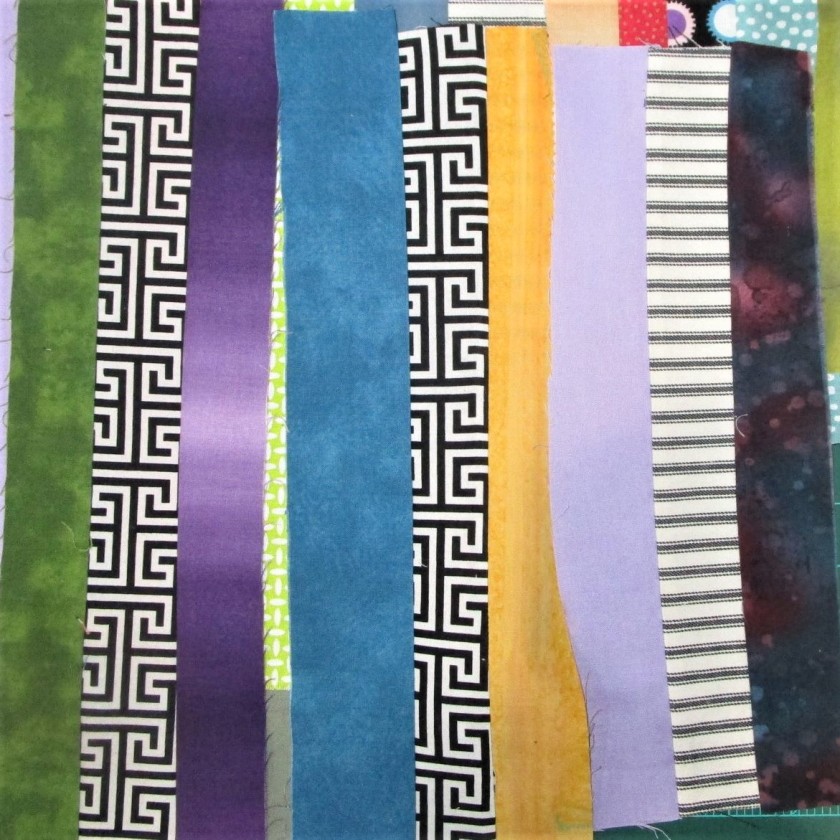
In this post, I am continuing work on the Animal Friends quilt project. Yesterday afternoon was occupied with sewing together many strips that I have cut. They were sewn into two groups:

Three Across
Four Across

I also made another block. This one features a cat sitting in the hayloft of a barn.

For the weekend, I will continue making blocks by grabbing an animal square and a strip set randomly, then doing my best to make blocks that amuse me.

I think this will be a good activity for what may be a cold and (possibly) snowy weekend.

Posted in quilting

Slightly Stuck

It’s been a while since I wrote about the state of “stuckness” For me, this means that the project is not flowing very well. Over the last few days, I have been toying with a technique called “Stitch and Flip”. I learned it from a BluPrint.com class on how to piece improvisationally. The instructor is Jacquie Gering.

https://shop.mybluprint.com/quilting/classes/improvisational-piecing-modern-design/35410

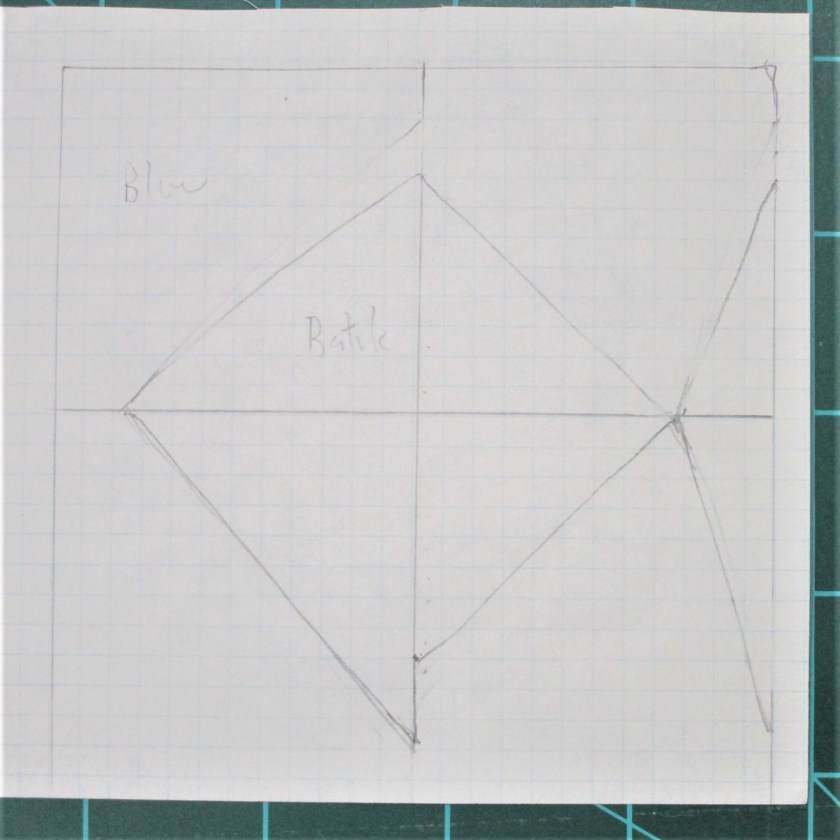
Basically, you sew a piece of contrasting fabric across the corner of a square, then flip the piece over to cover the corner. You can cover one, two, three or all four corners of the square. I was struck by how much the finished squares resembled little fish. This drove my desire to give it a try. Here is a sketch of what I envision:

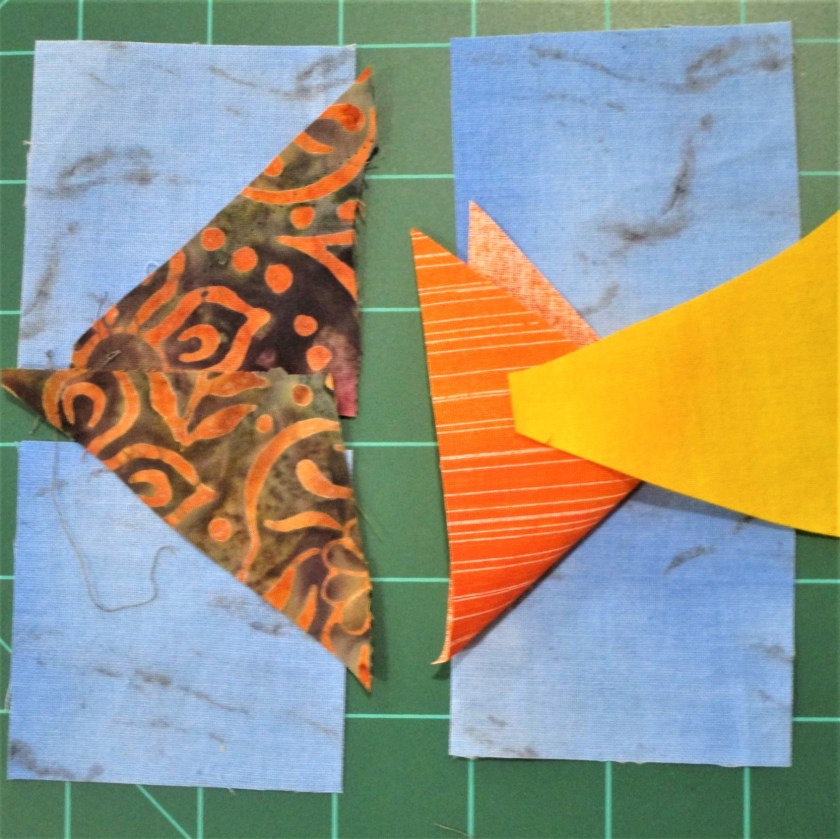
And here are the fabrics I have chosen. The batik is the front half of the fish sewn over corners of two squares. On two more squares I am sewing triangles to represent the belly and tail of the fish.

Then the whole block is assembled. A four by one inch rectangle finishes the block.

I had hoped to easily make a several “schools” of these little fishes, with five or six in each block, ultimately creating an underwater scene on a lap quilt. Cute, Fun – right? But somehow I kept screwing up the assembling. Much ripping, muttering and re-sewing ensued. My completed blocks are not lining up right! I can’t seem to square them properly! In addition, I don’t have enough background fabric to proceed! And of course, the fabric I need is in Hobby Lobby, which is closed indefinitely!!!

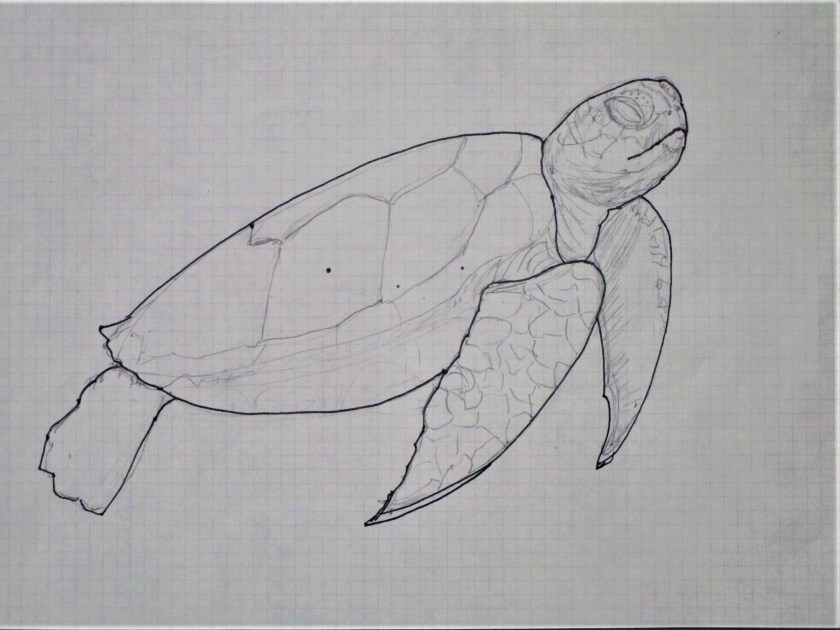
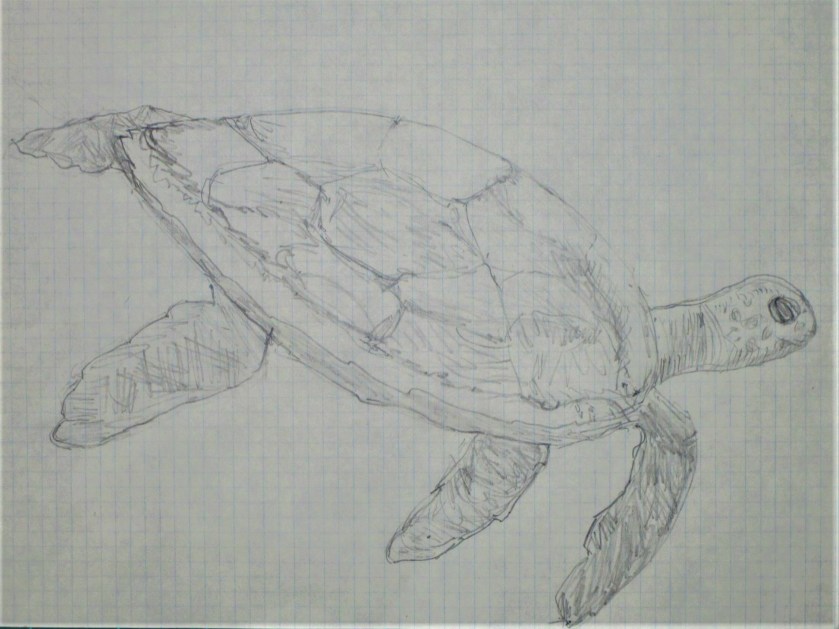
So this project is in limbo. I did sketch a few sea turtles, which might get included in this project, if I can figure out how to get them there.

So sadly, I will set the fish aside while I ruminate on the process. It won’t be the first or last time that I got stuck in the middle. Meanwhile my paint order from Dharma Trading has arrived. So I will play with paint until the lightbulb goes off in my brain.

Posted in quilting, sewing

Blocks with Curves

At a quilt show I attended recently, I saw several quilts that featured circular piecing. It looked so mysterious. How did they do it? Here is an example from the show.

I am very interested in making contemporary quilts in a similar style. So it is necessary for me to learn to this technique. For today’s exercise, I will be making blocks with pie-shaped wedges sewn into the concave edge of a background fabric. I turned to U-Tube for a little help. One of the instructors is Leslie Tucker Jenison. Here is a tutorial on fitting concave and convex shapes together. https://www.youtube.com/watch?v=4vT08esPfzw

My design inspiration was the sun and planets. Because of the fabric selection I had available to me, I decided to make a piece featuring a gaseous planet.

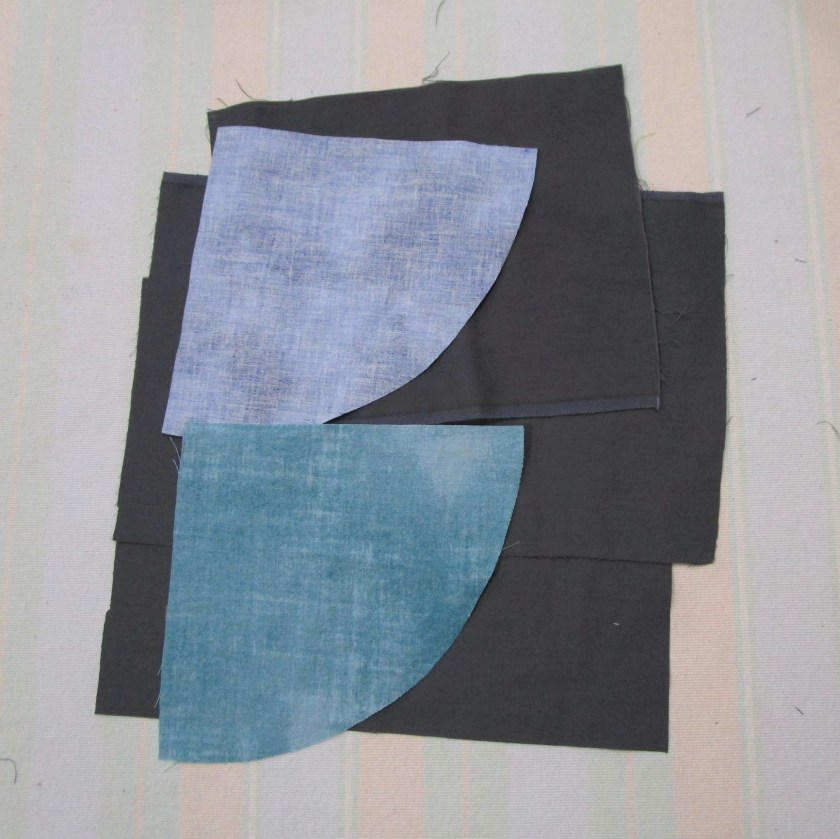
Dark grey for the background fabric, green and pale blue for the pie shapes.

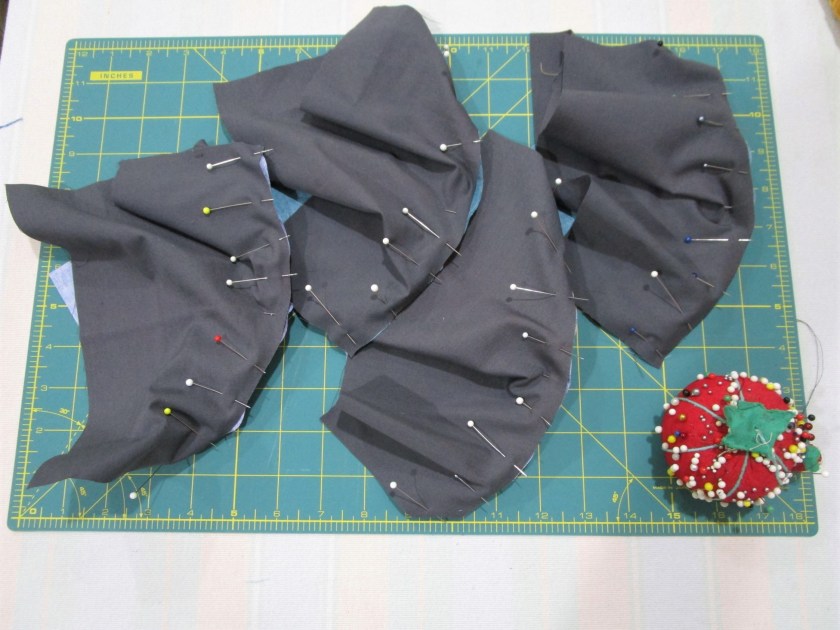
After cutting out the two types of blocks, I marked the curves with a compass. The trick is that, at the curved line, the pie shaped piece needs to be 1/2 inch wider than the background piece, to accommodate the seam allowance. I used a compass to draw the curves and cut them out with scissors. Here are the four blocks pinned and ready to sew.

It’s important to mark and pin the two centerpoints and align the block edges. Then place a pin about every inch. Stitch with the concave piece (background) up, so that you can ease the curve. Here are the blocks before pressing.

I have most the points matched up pretty well. Next is to sew the pairs of top and bottoms together and then sew the center vertical seam, matching the pie shape edges and nesting the center seam.

My planet block, sewn and pressed

I’m relatively pleased with this first attempt. Only the lower right block is slightly off. The final dimension is 18 and 1/2 inch square – a very good size for a cushion cover.

Posted in colorwork, quilting

Salty Squares – Recovery

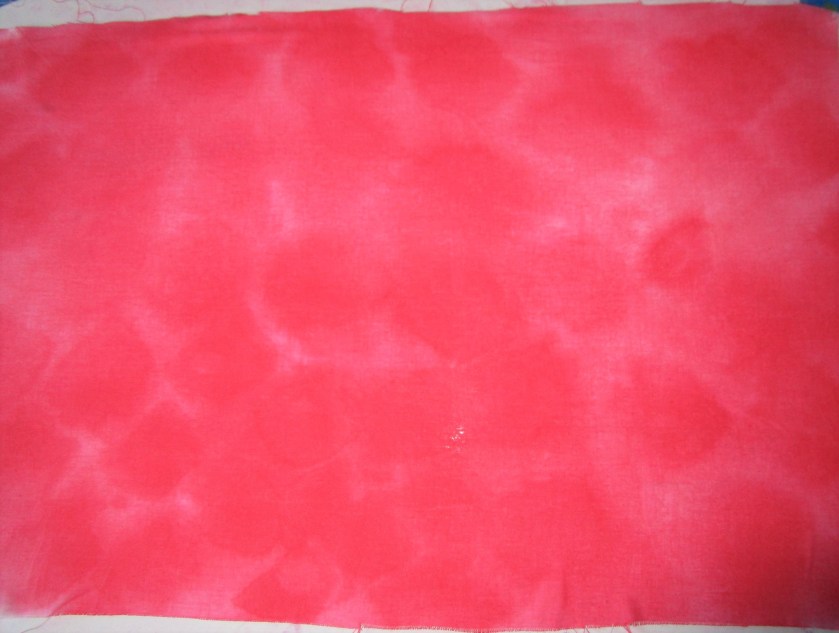
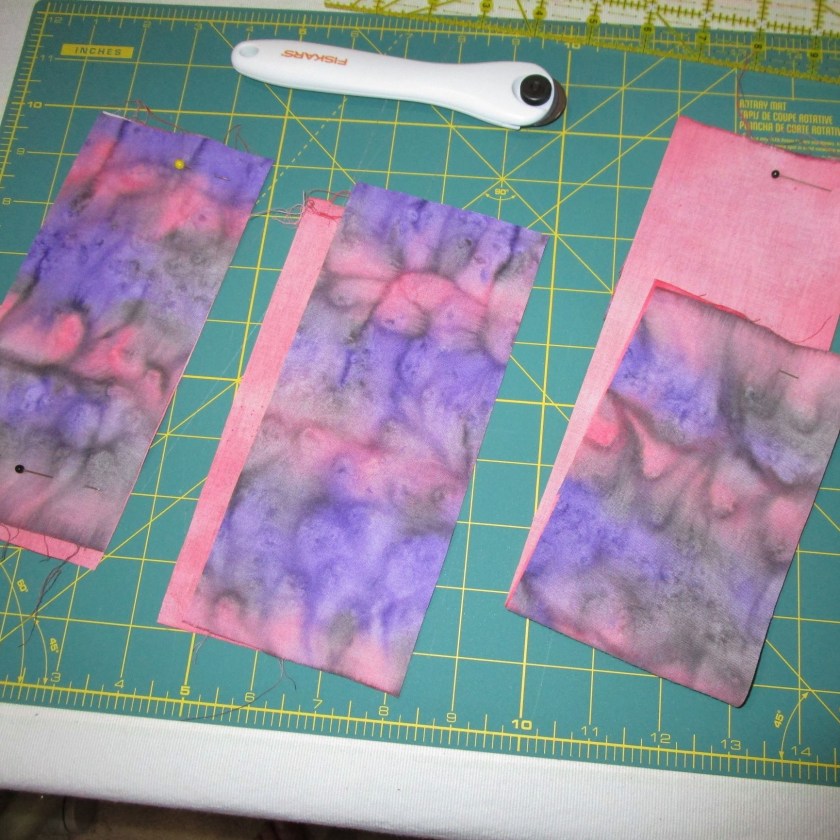
I’m back today to finish my nine-patch square project. Boy, if it takes other people three days to make one quilt patch, there would be far fewer quilts in the world. Anyway, I’m over it now. After considering touching up the ruined pink swatch, I decided it would be far faster just to start over. Unfortunately, I was almost out of pink paint. Here is the replacement swatch in the drying phase:

Did I say that I am a novice quilt maker? It is still true. I discovered Soooo many You Tube videos on making the nine-patch square. My favorite is by OurHalfAcreHomestead. Here she is, explaining everything very clearly: https://www.youtube.com/watch?v=IMDE0I7ABzc.

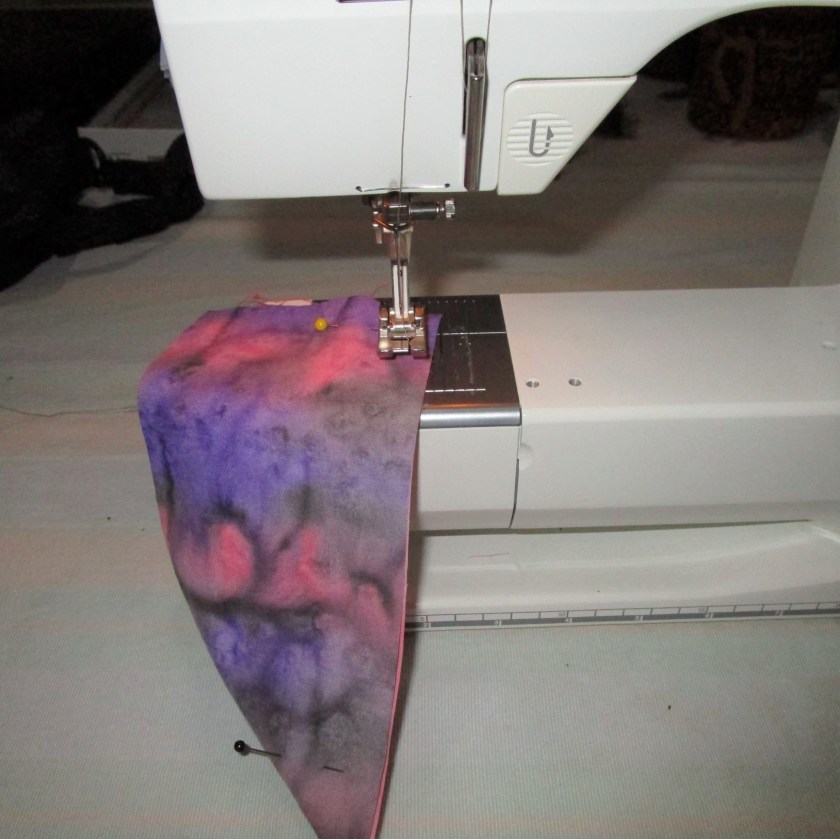
So off I go! Cutting, stitching, ripping out because I sewed the wrong sides together, stitching again and pressing.

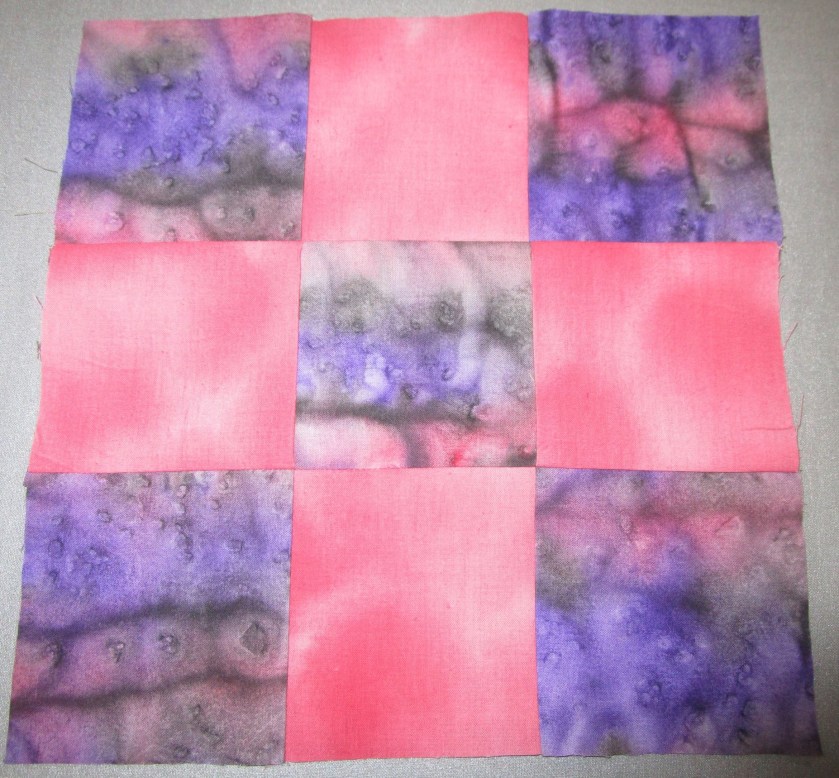
Finally I have ONE nine-patch square. To take advantage of the scale of the printed fabric, I used a 3 1/2 inch measurement for the pieces.

It is a pretty one.

Today’s lesson is to plan the size of my initial fabric pieces so that they match with the necessary lengths and widths of the square’s requirements. My You-Tube coach would probably tsk, tsk, at my wastefulness. But I expect that my mom will be proud.