Posted in quilting, sewing

WIP Wednesday: SAHRR Round Three

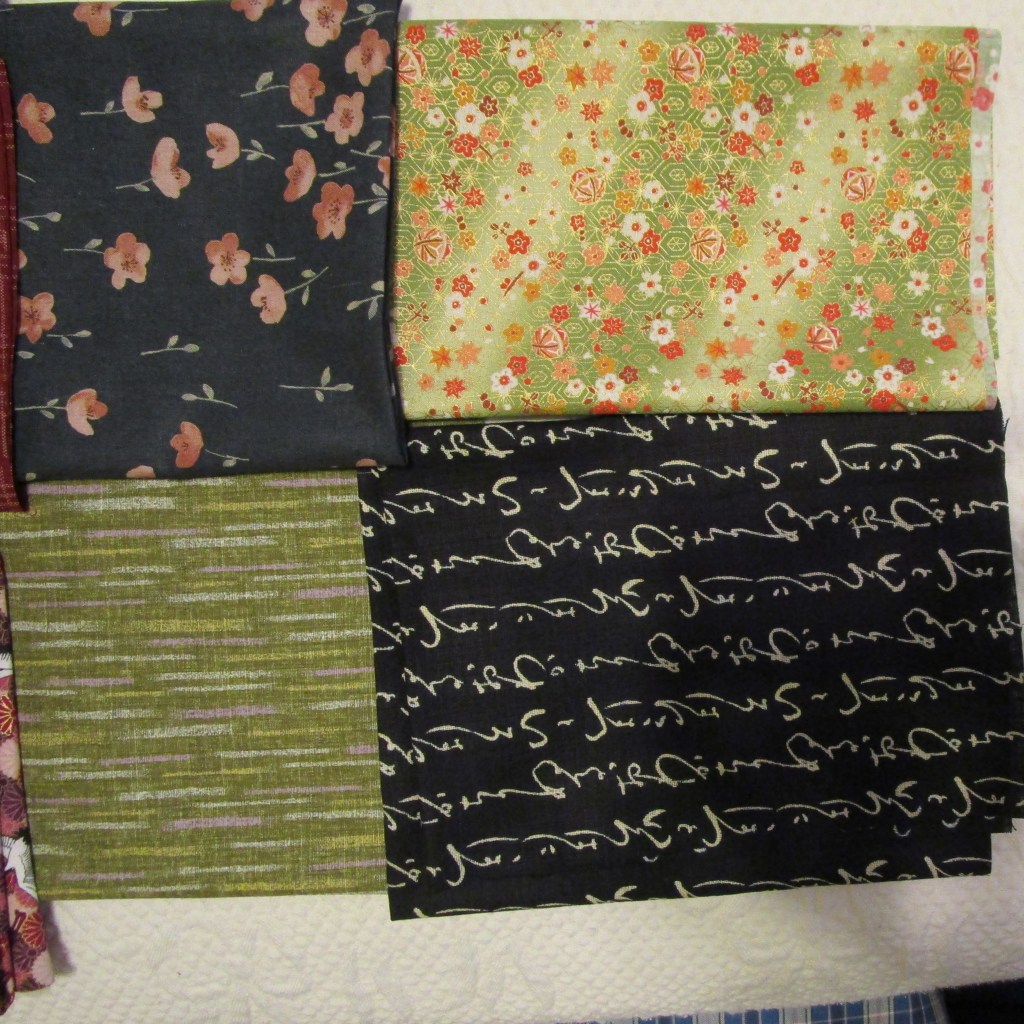
It’s all Japanese quilt blocks all the time around my house these days. First of all, let me show you the fabrics that came yesterday from kimonomomo on Etsy;
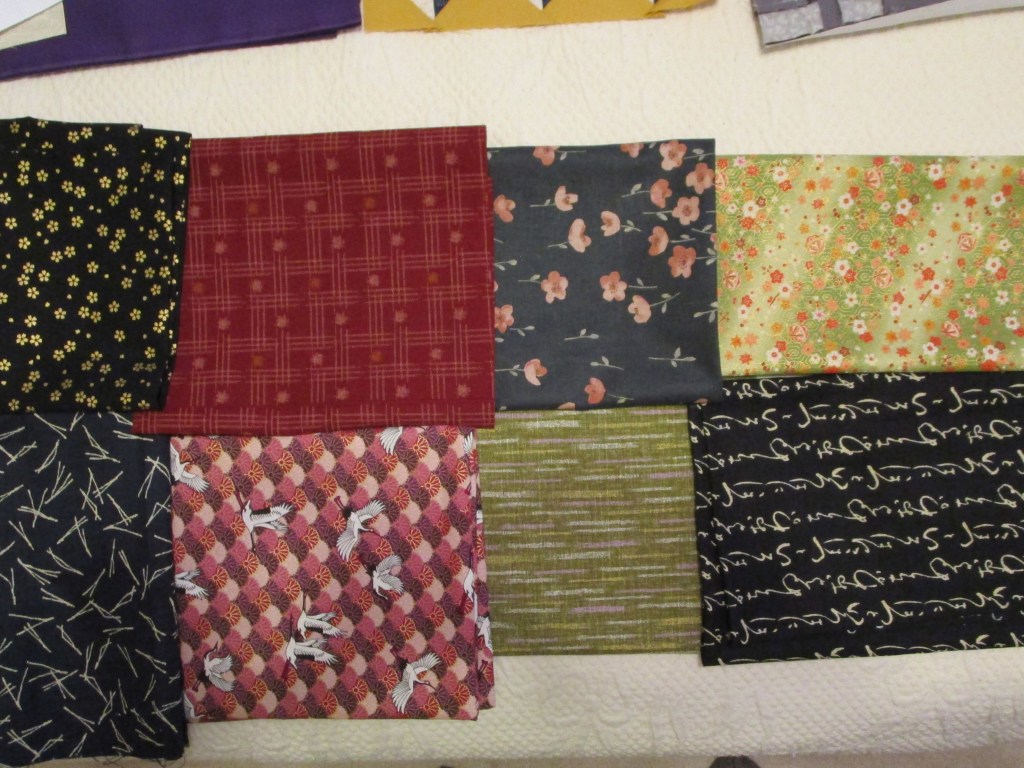
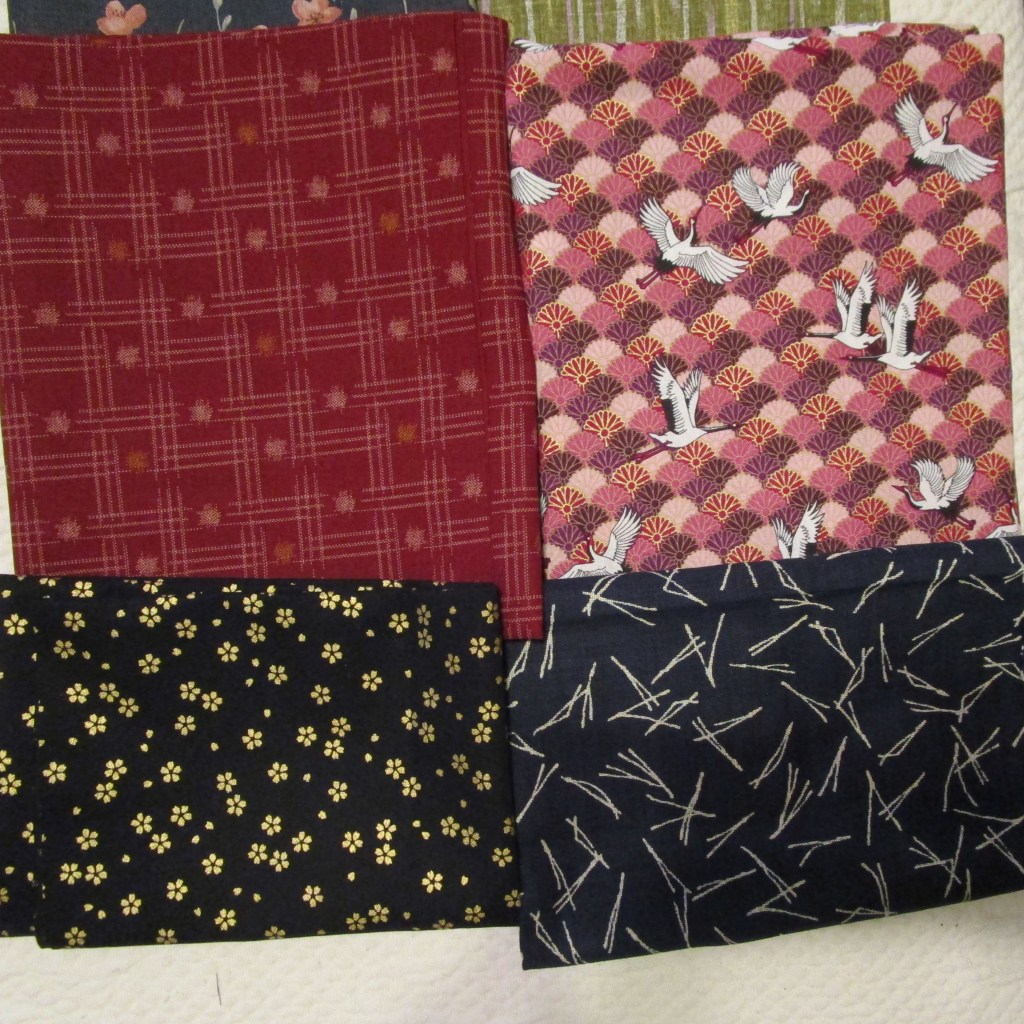
They are all types. There’s smooth cotton and homespun, shiny metallics and quiet two-color prints. What I forgot to buy was fabric in light colors. So my completed squares are about to get darker.

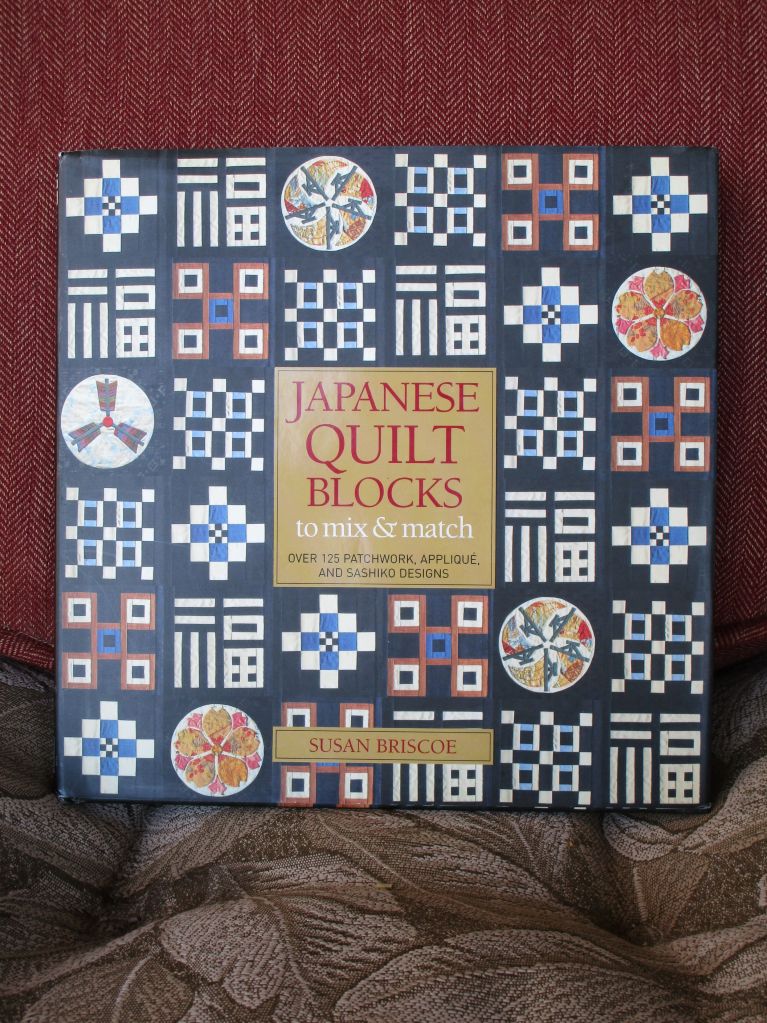
But not this week. Quilting Gail asked us to make star blocks for round 3. I found only one Japanese star block in Susan Briscoe’s book. The Japanese word for star is hoshi.
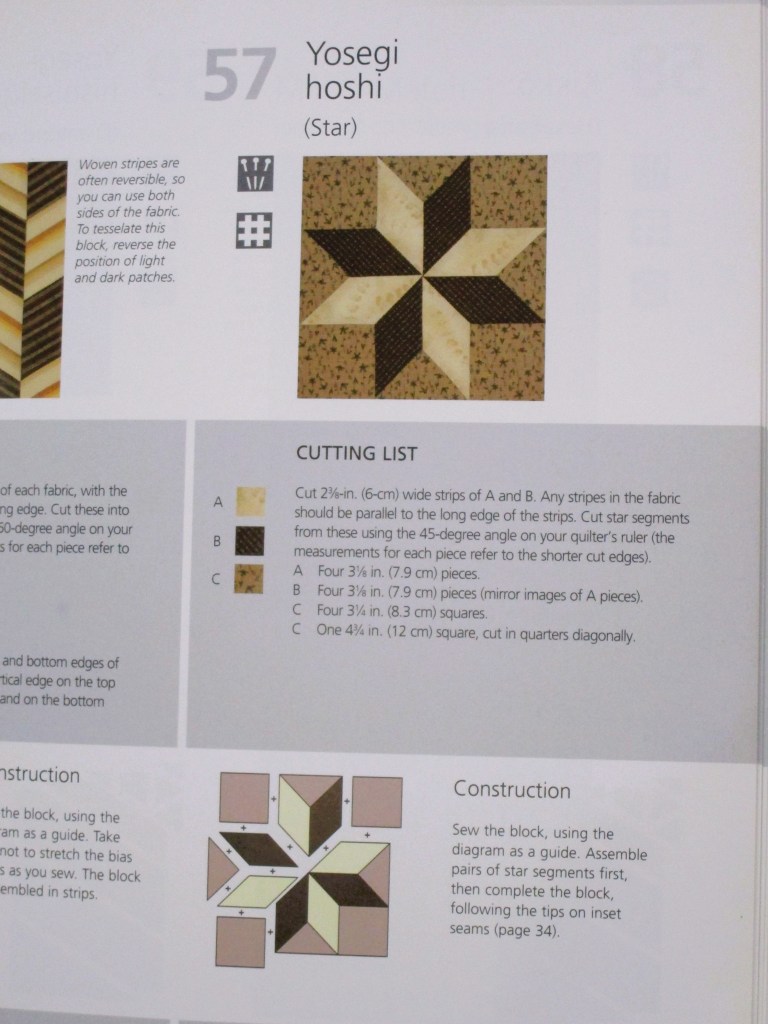
This is a basic eight point star assembled from diamond shapes. But it is not an easy one. The directions are rated difficult and the technique includes sewing lots of Y-seams. No thank you.

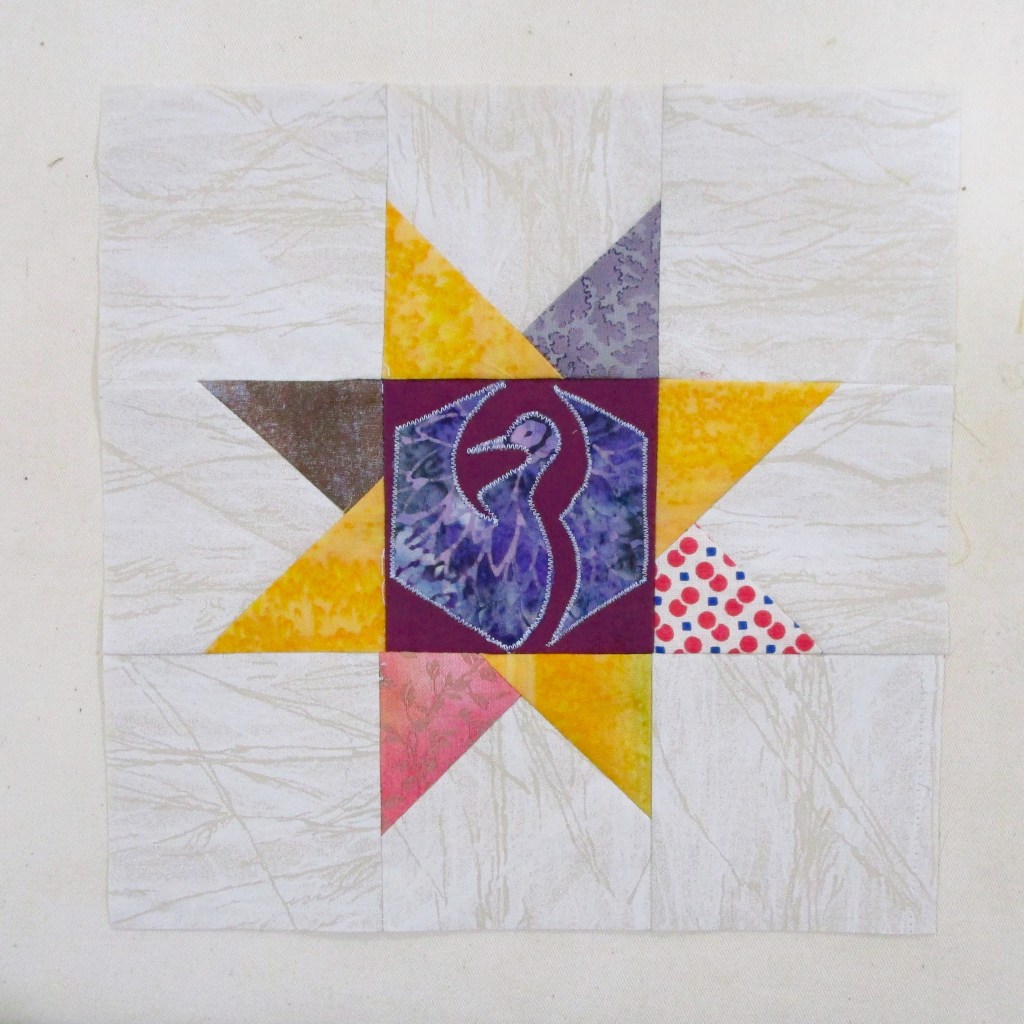
A google search helped me get out of this assignment. I discovered many Japanese quilts that incorporated hoshi blocks in different techniques and styles. So I decided to use this criss-cross star block as described by Anorina on sameliasmum.com
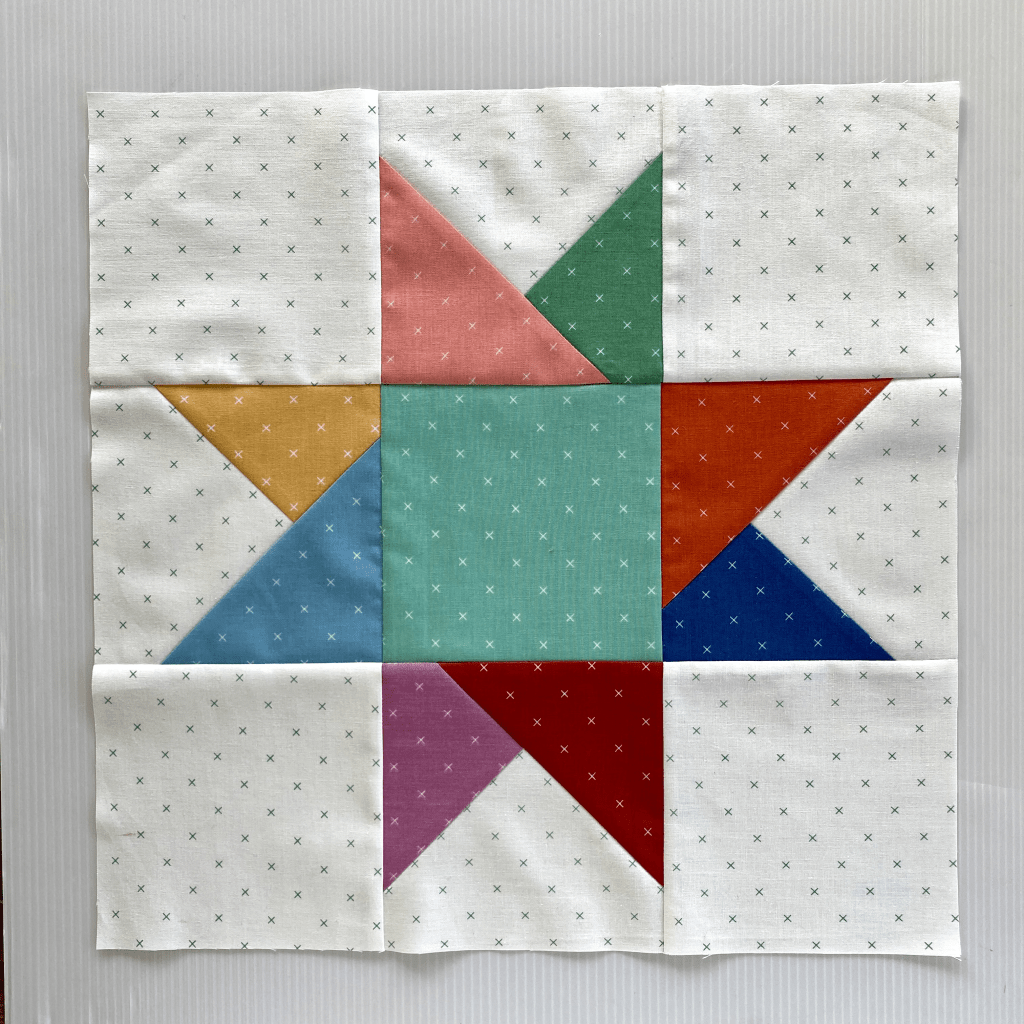
To give the block a little Japanese style, I made the center square with an appliqued crane, which symbolizes longevity for the Japanese. This applique is included in Susan’s pattern book and described as a crest.
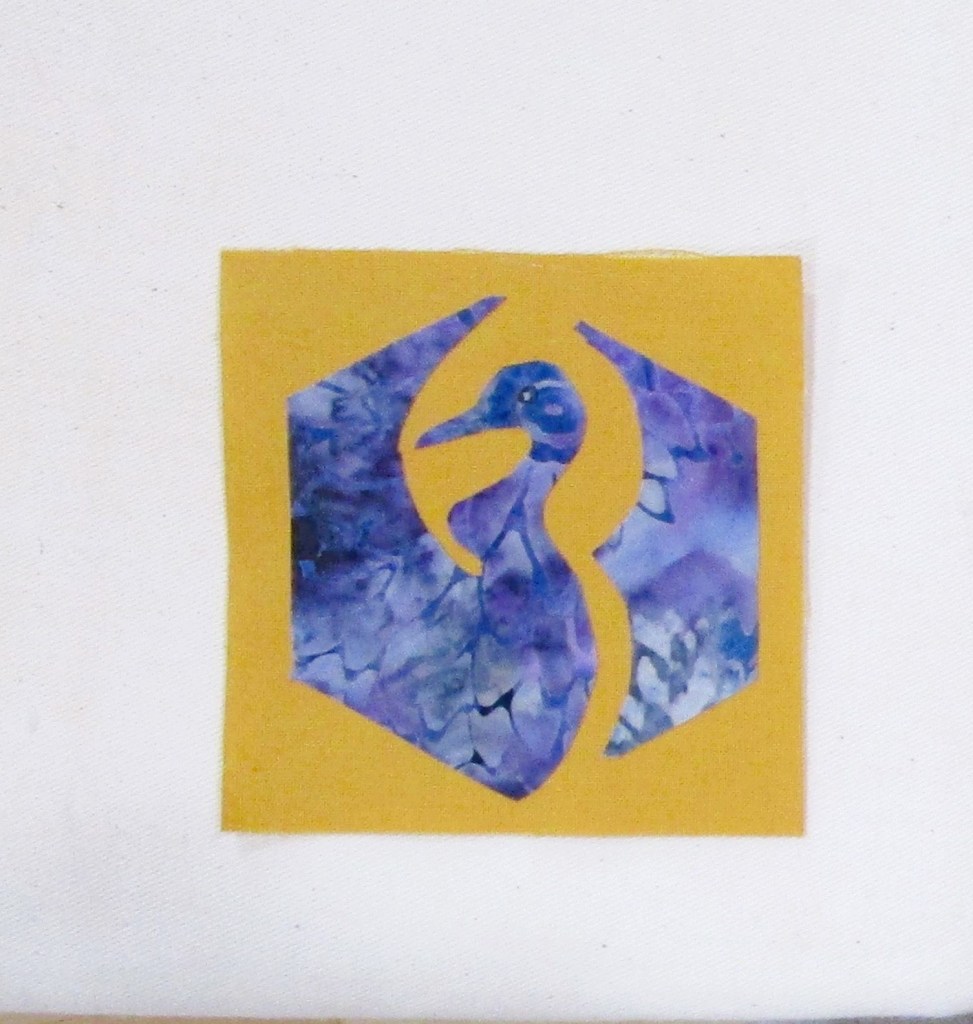
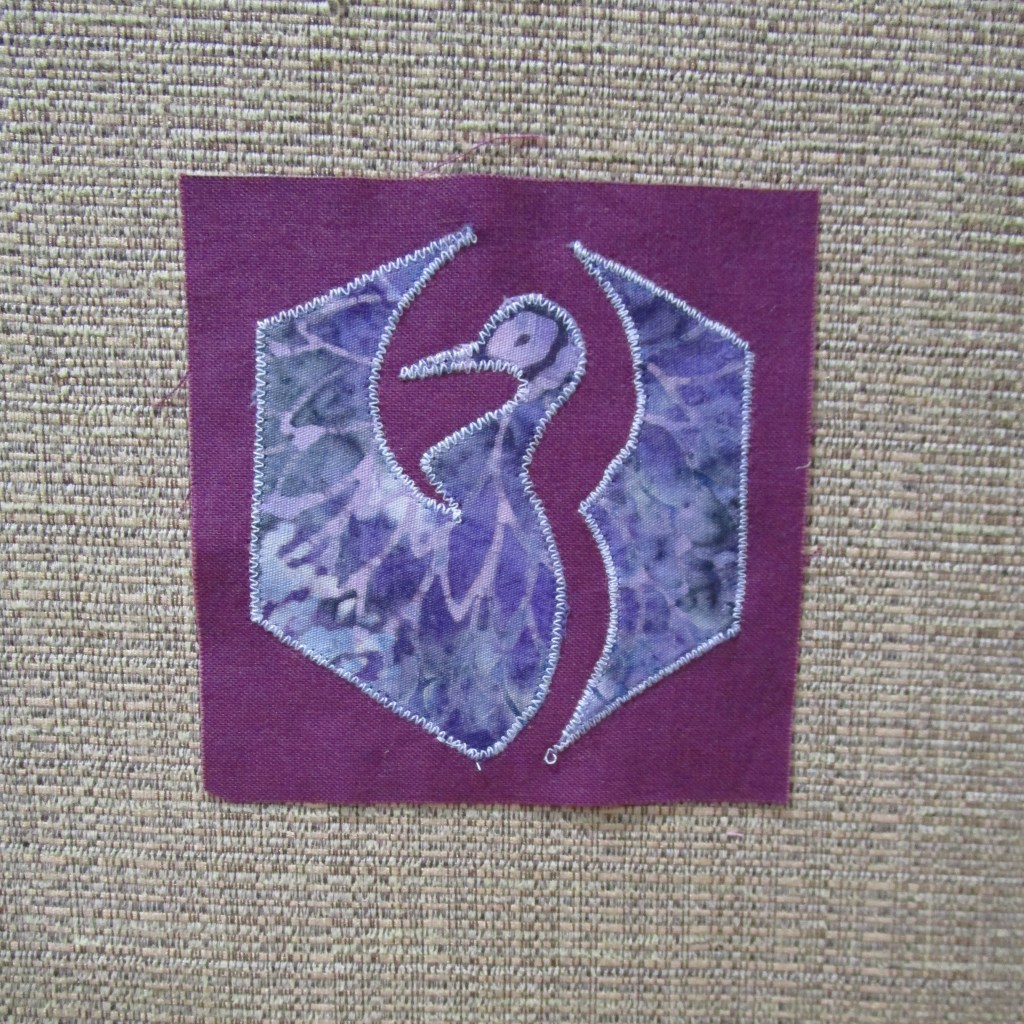
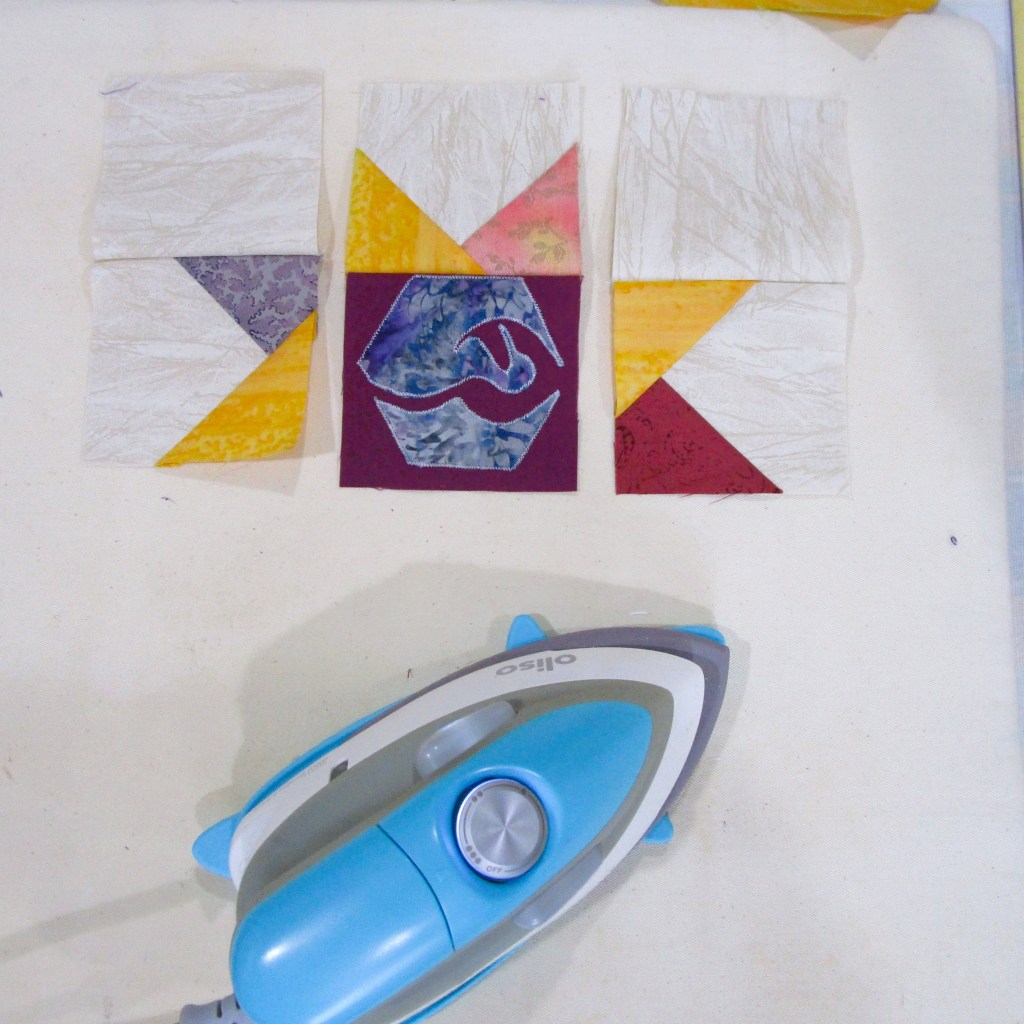
I sewed three criss-cross blocks in all. And here is my quilt at the end of round 3.
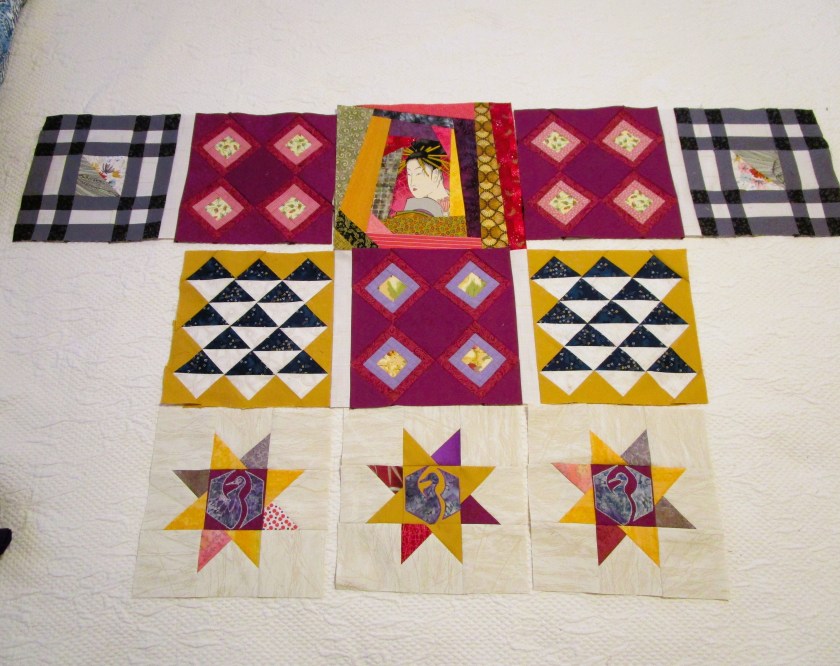
I will be continuing to stagger the placement of blocks. That means I need to wait for Round 4 to finish this row. Two blocks from Round 4 will replace the outside stars in this row. They will be moved to row 4.

I hope you are enjoying my little adventure in international quilting. Be sure to visit the Linky party. It can be found on Quilting Gail’s site.

Here is the line up of all 2025 SAHRR designers.

See you next week.
Posted in quilting

SAHRR 2025 – yes, I’m participating

After telling myself that I had too many projects going at the same time I had decided that adding SAHRR to the mix would not be a good idea. Then I changed my mind. What’s this all about, you may ask?

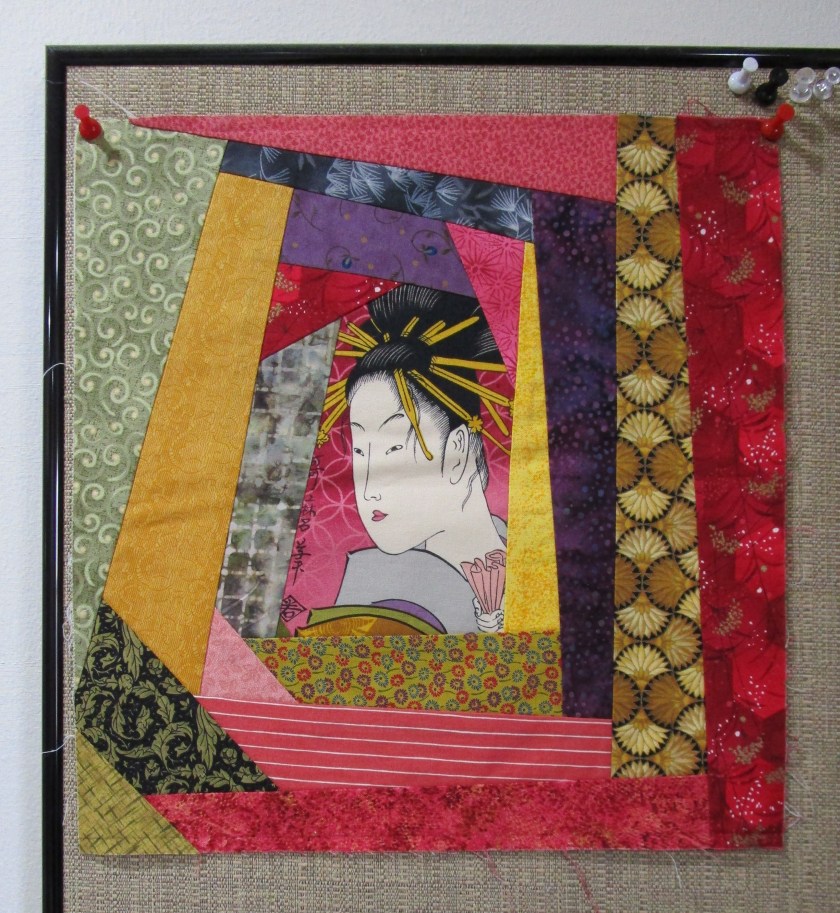
After my mother had a stroke, I assisted my sisters in cleaning out my mother’s crafting room and disposing of the contents. One project bag contained some intriguing fabric panels depicting Japanese geishas. I took these home.

There are four in all. She also had various bits of Japanese quilting fabric, including cotton fat quarters and some lengths of yellow silk.

I became enamored with the idea of making a Japanese-style quilt, to the point that I bought a few books to learn how.

So, getting back to SAHRR. I decided that my center block could be one panel.

I worked on it a little to get its dimension down to 11 and 1/2 inches. My plan is to make a row-style quilt that will be suitable for turning into a kimono-style robe. I’ll match up each week’s clue to one or more block patterns from this book.

All the blocks are designed to finish out at 9 inches. This plan could be a good work-out for my problem solving skills.

And when I am finished, I will have something made with my mother’s fabric selections, to remind me of how much she loved to sew.

To see the SAHRR 2025 participants’ center blocks, click here.

Posted in quilting

Improvisational Quilting with Joe

I came to learn quilting almost as an afterthought. As I started to get ideas for making fiber objects, I became aware that I lacked the skills I needed to realize them. Thus started my quilting education. There are some things about quilting I like – choosing fabrics, developing my design, adding surface details and actually doing the quilting. The things I dislike are cutting many identical pieces of fabric, squaring up blocks and especially matching corners.

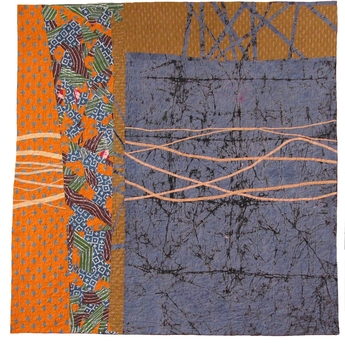
So naturally I am drawn to improvisational piecing. Joe Cunningham (aka Joe the Quilter) and his process were a revelation to me. He offers the promise of freedom. Freedom from all the dull parts of quilting, which leaves more time for fun. The quilt featured at the top of my post is one of his. His website can be found here:

http://www.joethequilter.com/aboutjoe.html

Joe Cunningham has been a professional quilter since 1979. His philosophy is unique. He doesn’t use patterns. He designs out of his head, adjusting things as he goes along. He has no specific end in mind. He explains that as the quilt approaches the finish, he finds out what it will look like. He practices randomness, chance and serendipity. To this end, his method relies on chance from the first cut.

As an example, the class I took with Joe featured a quilt called “Rock the Block.” Here is how to make it:

Step 1: Choose three fabrics. Include one big print. The other two can be prints that don’t necessarily go with the big print. Also choose a solid color that you will cut into narrow strips, which Joe called “sticks.”

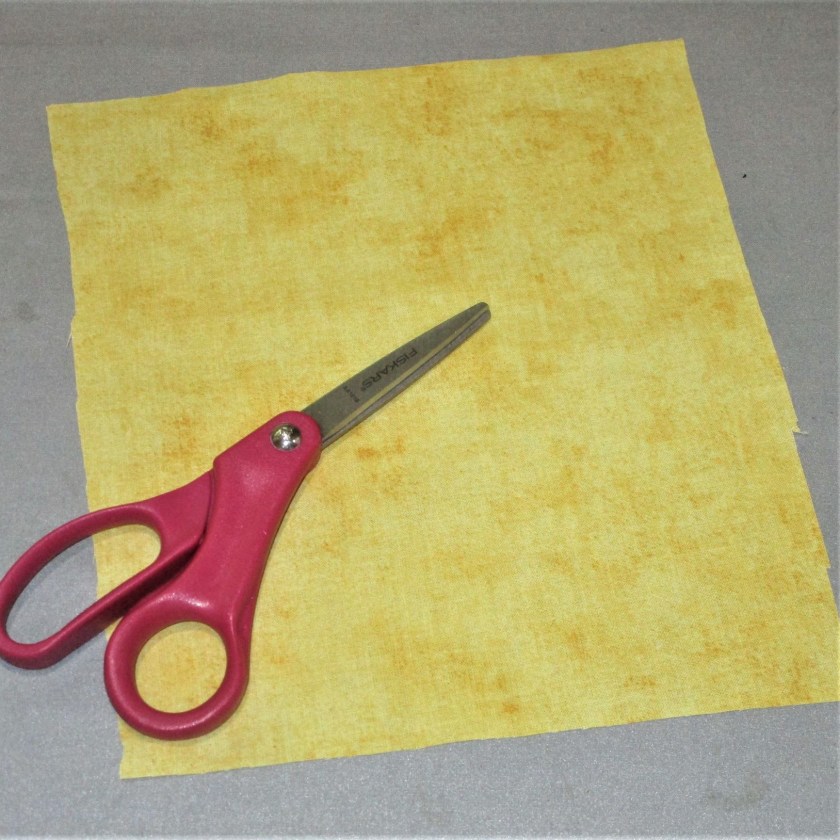
Step 2. Cut out a square. It doesn’t need to be perfect, but does need to be bigger than 7 inches.

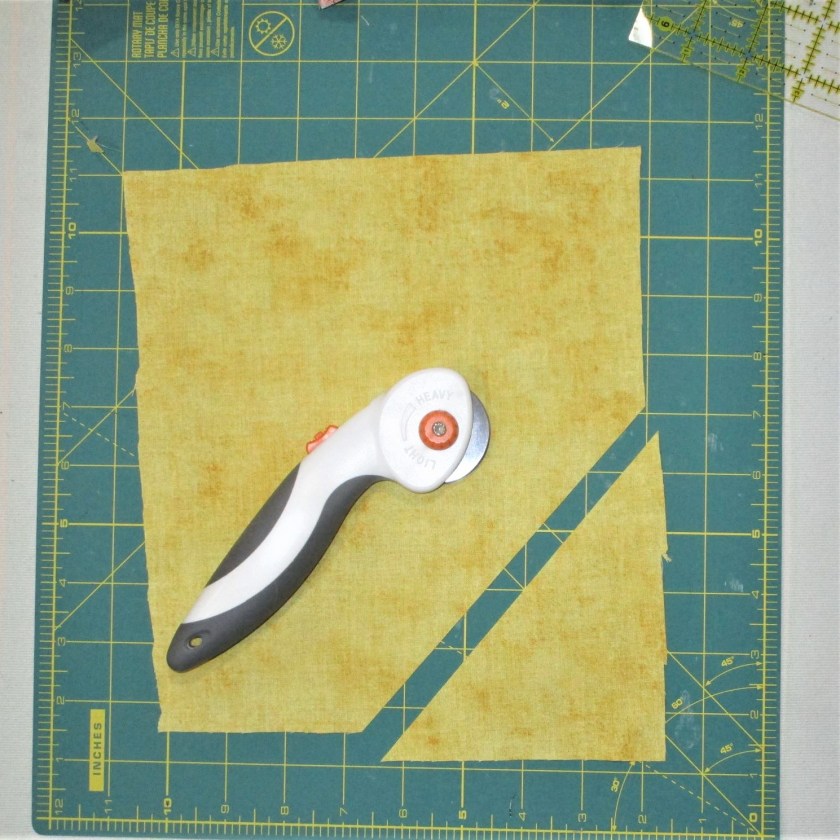
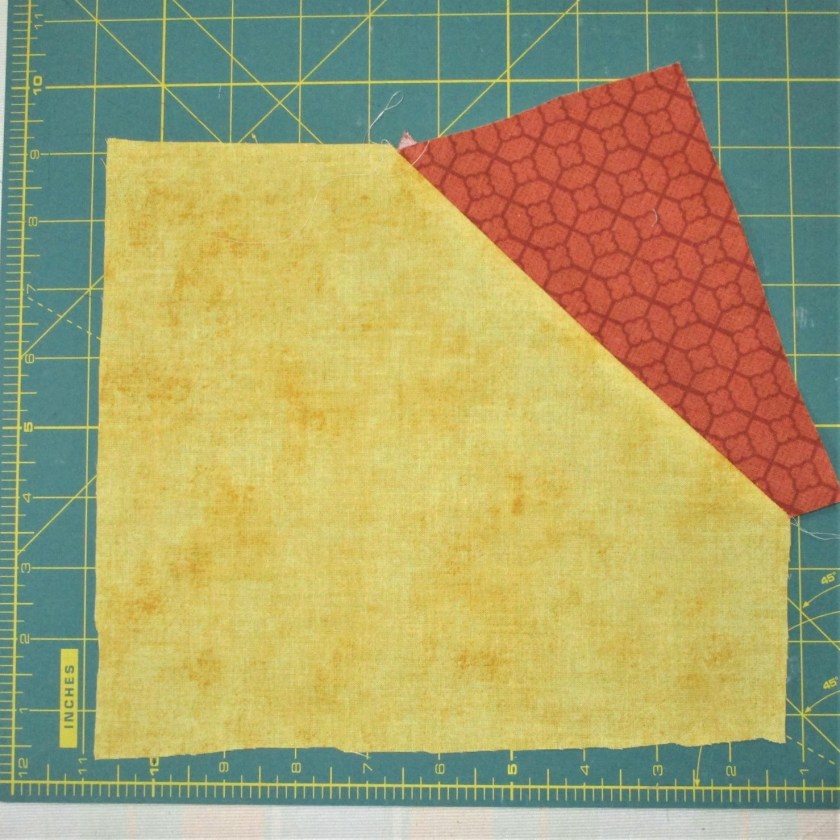
Step 3. Cut off a corner.

Step 4: Cut out a triangle from one of the other fabrics. Sew it to the square at the cut edge.

Step 5: Cut through the square, across both pieces of fabric.

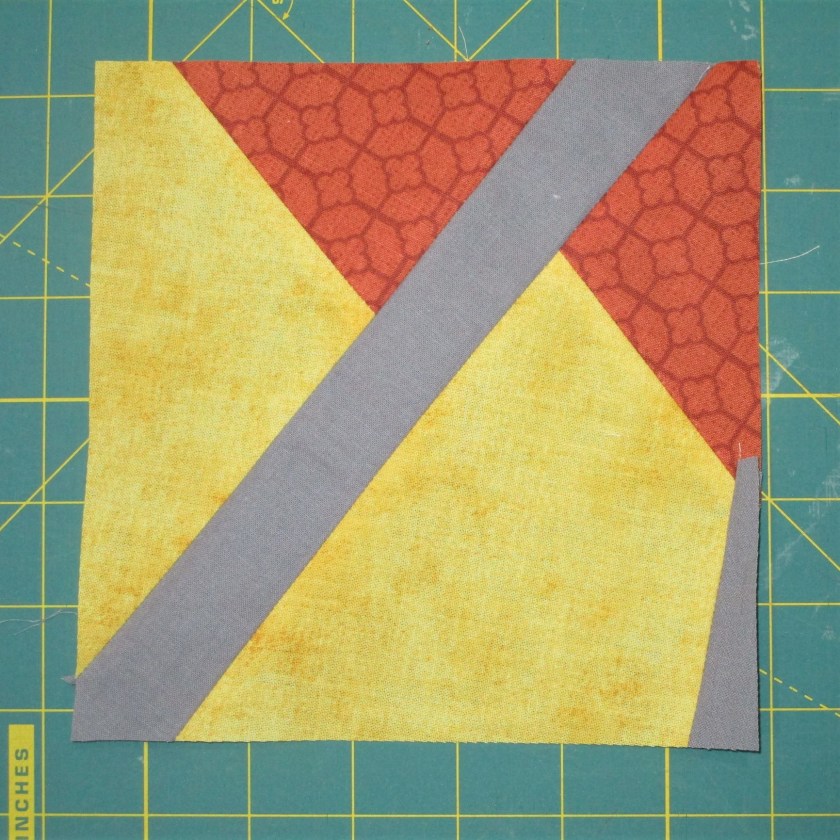
Step 6: Sew in a stick.

Step 7: Press seams open and trim the block with a 6 and 1/2 inch square ruler.

Repeat steps 2 through 7 until you have enough blocks for the size quilt you want to make. Use all the different combinations of your three fabrics. Your blocks might look like these.

Or they may look entirely un-like these!

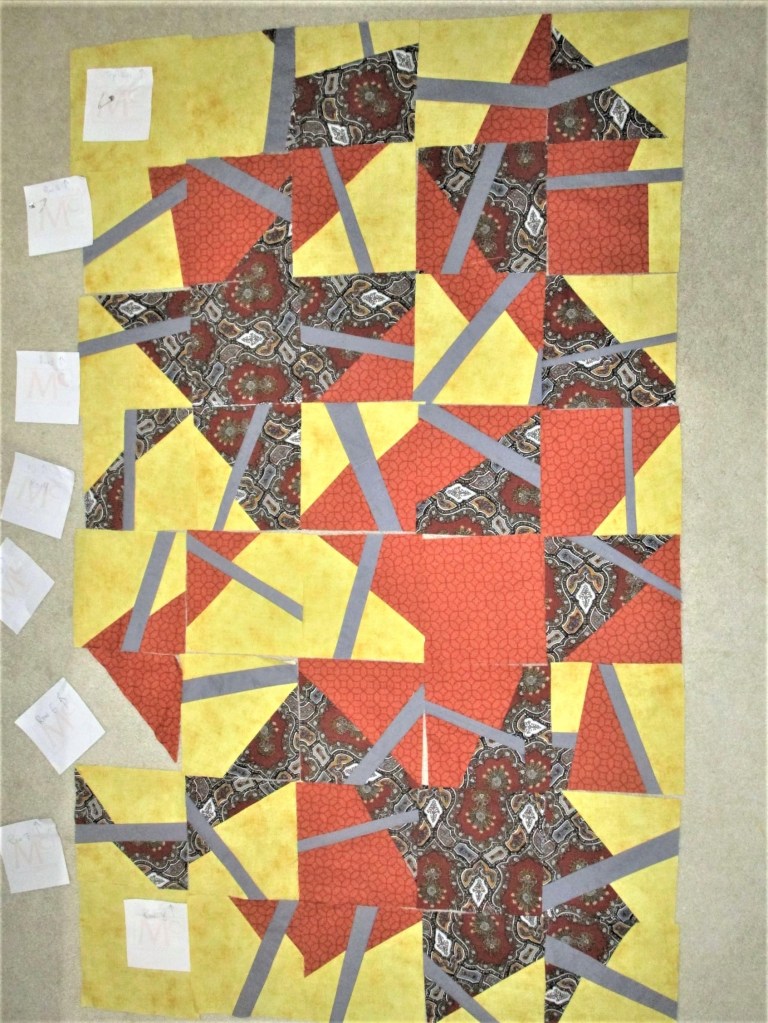
Now the fun begins. Lay out your blocks in rows. Move them around, arranging the blocks until they look “pleasing to you.” Lacking a design wall, I laid mine on the floor.

This arrangement is pleasing to me.

So far, this has been painless. Nay, it has been truly pleasurable. I plan to add more yellow blocks around all sides. Some of them will have patterned fabric crumbs and a few “sticks” sewn into them. Some may not.

While I acknowledge there will be corners to sew, I plan to adopt a laisser-faire attitude about the matching part. If this sort of design process is intriguing to you, I suggest you check out Joe the Quilter’s website to see more of his quilts.

Posted in painting

Color wash – The Dark Side

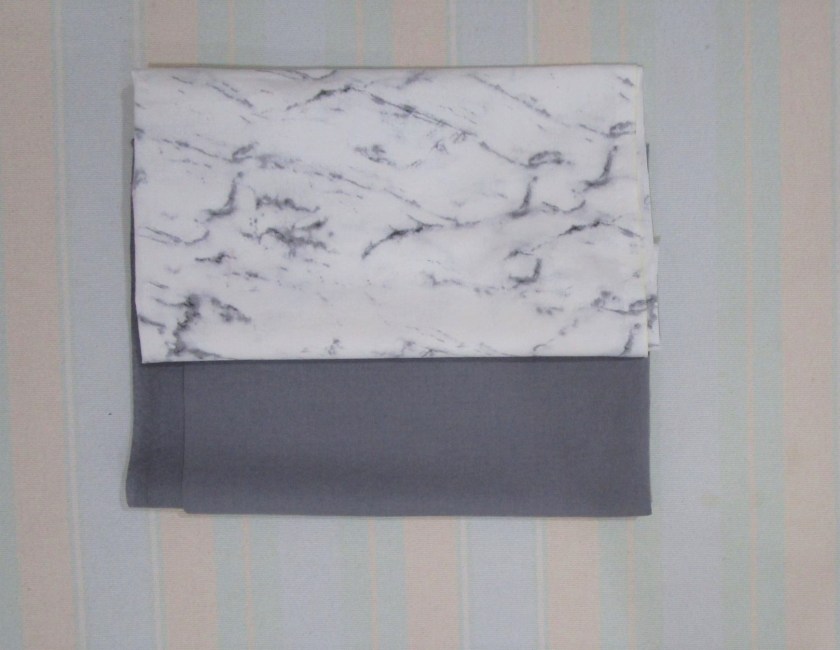
Okay, no Star Wars reference intended – I am talking about painting on a dark solid fabric. This is what I chose to do today. My goal is to make swatches that will represent the night sky in a future fiber object. Here are my chosen fabrics:

The gray solid will be used for most of the work. I chose the white marbled fabric because the black lines are vaguely cloud-like. Here we go:

With the gray fabric pieces cut roughly 13 by 21 inches, I painted one with blue and black and the other with violet, blue and black. I used foam brushes and loose, wavy strokes. Then I blended all the blotches together and lay the fabrics flat to dry. Here they are after drying.

Blue-Black
Violet, Blue and Black

The original gray is still visible, but it just shades the colors into a deeper range. I like the brooding, atmospheric effect. Next is the white marbled fabric.

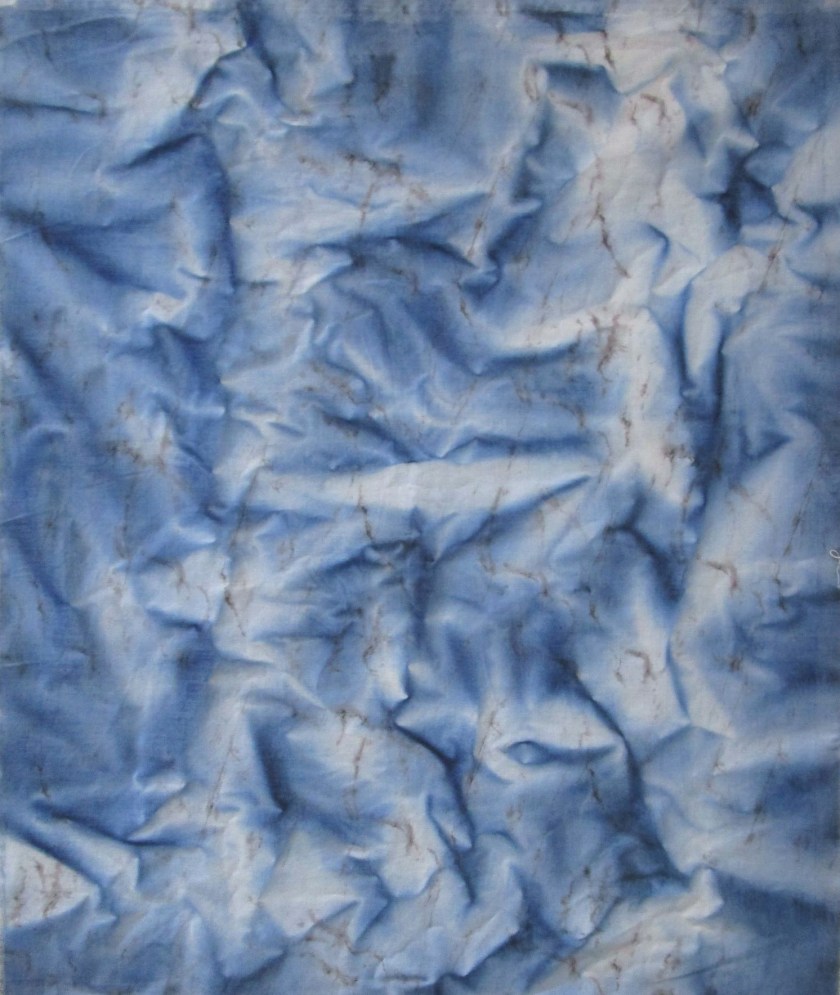
I stuck with the blue paint, but darkened it by mixing in black for a monochromatic color scheme. At the last minute, I decided to scrunch the wet fabric.

And here is the swatch after it has dried.

Whoa!

This looks nothing like a night sky to me. It more resembles fast-moving water rippling over rocks. This piece could inspire a new fiber object for a later day.

Posted in painting

DIY Fabric Colors

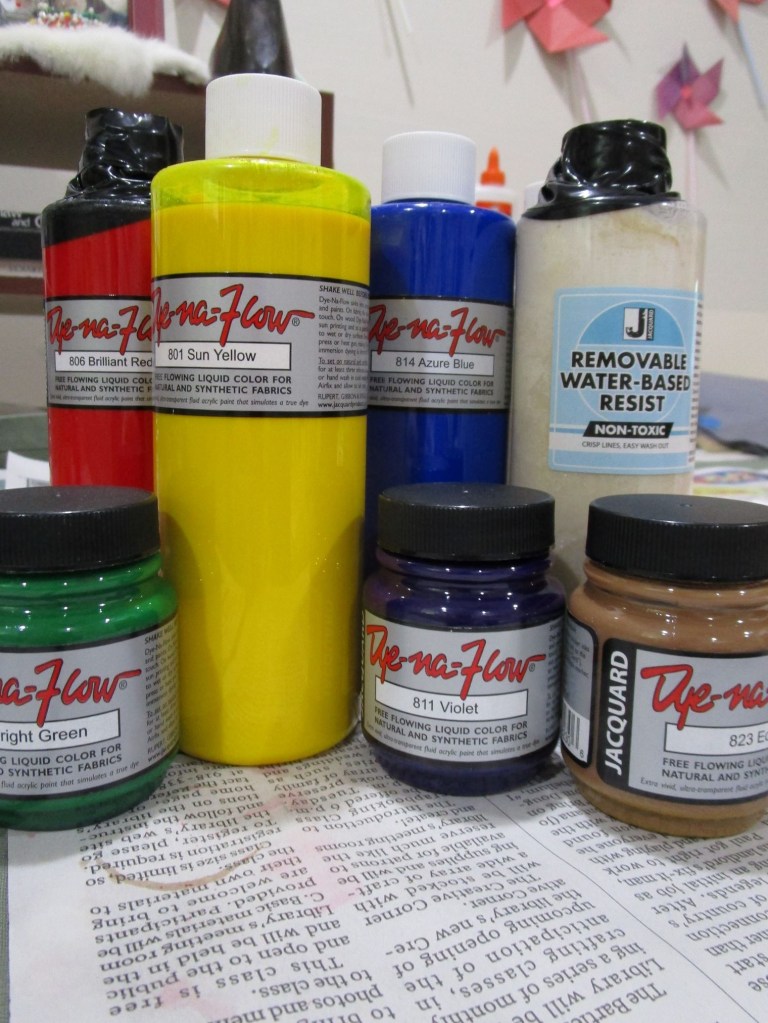
Recently I ordered a LOT of Dye-na-Flow fabric paint from Dharma Trading Co. https://www.dharmatrading.com/ Now that I have the quilting bug, I want to create my own fabrics. I know, there are thousands of beautiful quilt fabrics out there in retail world. But most of them are just not for me. And the ones I do like are kinda pricey. So here I go, making my own.

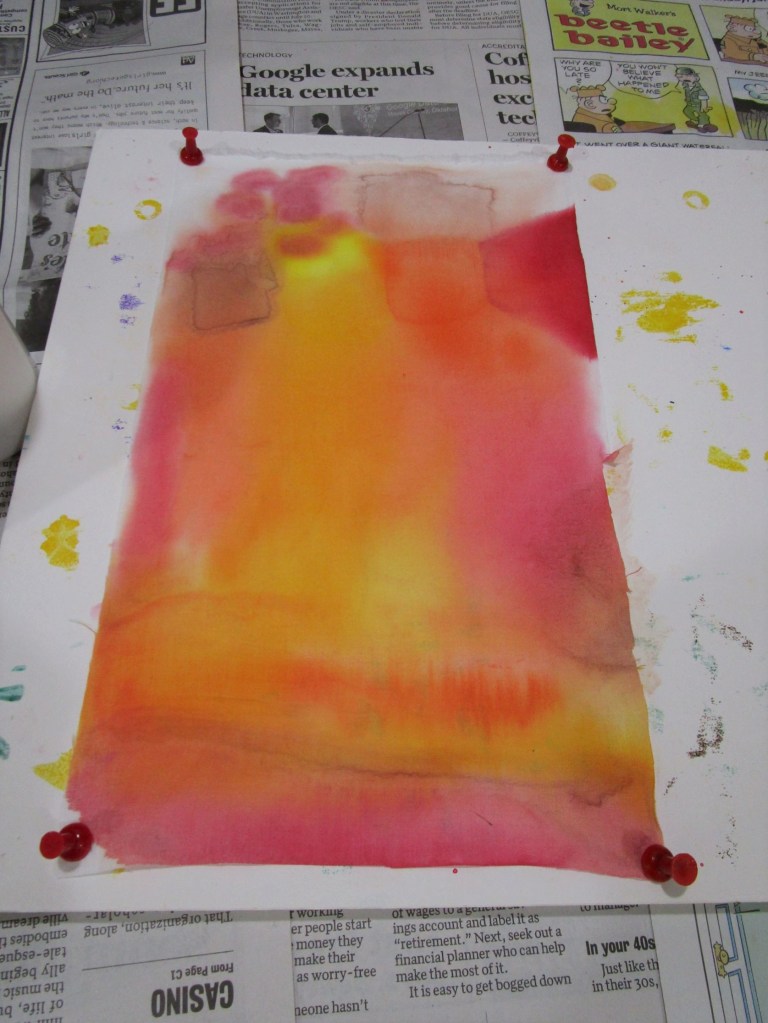
I had purchased several yards of white and light gray solid fabric specifically for coloring. I have an idea for designing a sunset scene. So today I am coloring the white fabric with warm colors such as yellow, orange, gold, and pink. Here is my swatch fabric where I tested a few combinations.

There’s also a little bit of ecru in the mix.

I plan to use 4 inch strips in my project, so I cut the fabric into 13″ wide pieces. This will yield three strips per piece, and incidentally, be a workable size for painting. Here are the results of today’s work:

Stripes of sunset colors. The orangey stripe should fall into the center of the 4 inch strip.
This gold turned out very well. I added some orange stripes and splatters. The stripe will go across the strips.
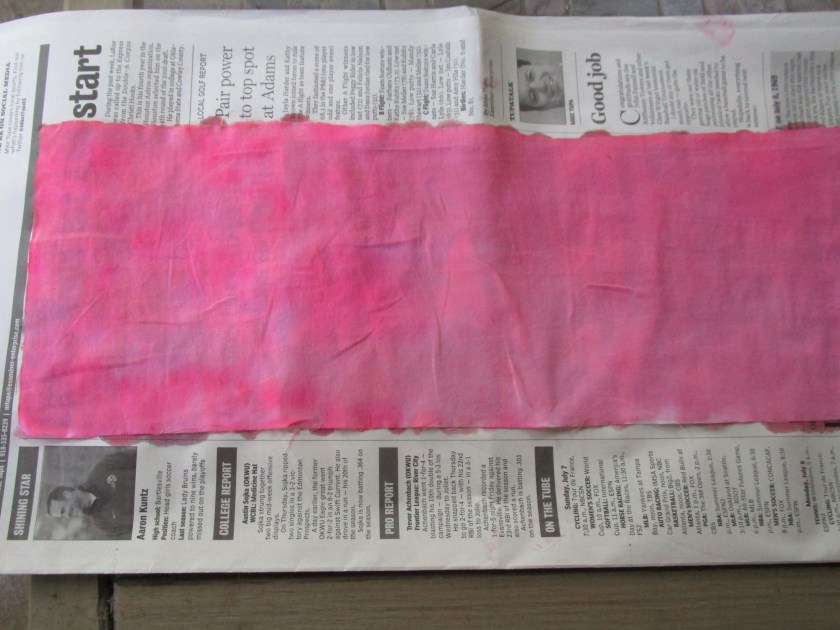
This was the tail end piece. It may be enough for one strip. It looks a bit blue in this photo, but I assure you that it dried pale pink.

It was a relaxing and productive afternoon. I look forward to working on the gray fabric. It will be interesting to see how it reacts to the sheer fabric paint.