I drew this one loose and fast, but took my time inking and painting it. It’s on Bristol paper, not watercolor paper, so I got some waviness. Quinacridone gold, transparent orange, cerulean blue and Payne’s gray. My pen was a Pigma Micron 05.

I drew this one loose and fast, but took my time inking and painting it. It’s on Bristol paper, not watercolor paper, so I got some waviness. Quinacridone gold, transparent orange, cerulean blue and Payne’s gray. My pen was a Pigma Micron 05.
It’s been about three weeks since my last post. I was surprised by how much time had elapsed. My time has been occupied working to repair one of our rental properties and knitting gifts for Christmas.
To make up for my absence, I want to share with you a painting based on a photograph from my recent trip to Belize and the story behind the photo.
I call it Red Dragonfly Waterfall.

The photo itself is not very good quality. Due to to location of the sun, all my shots have these solar flares in them. But it gives you the essence of the place.
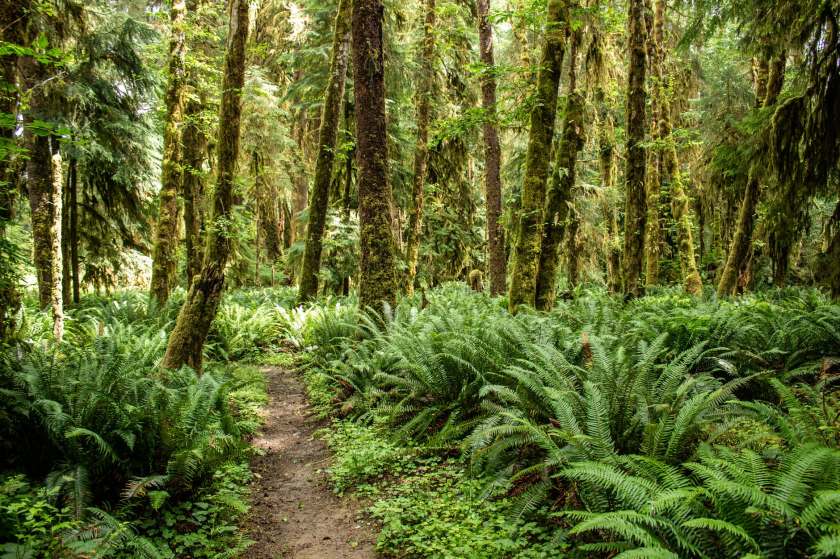
This adventure began with a drive down a bumpy dirt road for several miles. After enduring a noisy greeting by a gang of howler monkeys (very loud!) we reached the entrance to Cockscomb Wildlife Sanctuary and Jaguar Preserve. Surrounded on three sides by Mayan mountains, this preserve is the only one of its kind specifically dedicated to saving jaguars. Our guide, Pablo, offered the group three options for hiking: easy, moderate, or difficult. We chose moderate. This one stretched about two miles through the forest, ending in a narrow descent to a waterfall.

We could hear it long before the waterfall came into view. I would estimate that the water tumbled down about twenty feet into a modest pool that was about six feet deep in its center. One of our party shed most of his clothes, grabbed his waterproof camera and waded in to take some video. I cautiously splashed my feet, then rested on a bench thoughtfully placed at the water’s edge.
A bold red dragonfly was flying around the area, pausing from time to time on an upright twig. I tried to several times to take his picture, but was unable to get a decent shot. So I sat back to enjoy the environs.

After the warm and sweaty walk, the cool dampness of the place revived us.
Then it was time to work our way up the switchbacks and return to park headquarters, where Pablo laid out a delicious lunch of chicken, rice and fruit.
We saw no jaguars that day, but I understand they are nocturnal animals. The birds, trees and flowers provided plenty of color and sound for our pleasure.
I was most grateful for the experience.

Pigments include Winsor yellow, green gold, Thalo blue, quinacridone red, raw sienna, burnt sienna and payne’s gray. On 9 x 12 cold press Fabriano Studio paper.
Today I want to celebrate the changing of seasons. Weather-wise, it’s still summer here. But a cool front is expected here in the next 12 hours.
I am hopeful for cooler breezes.
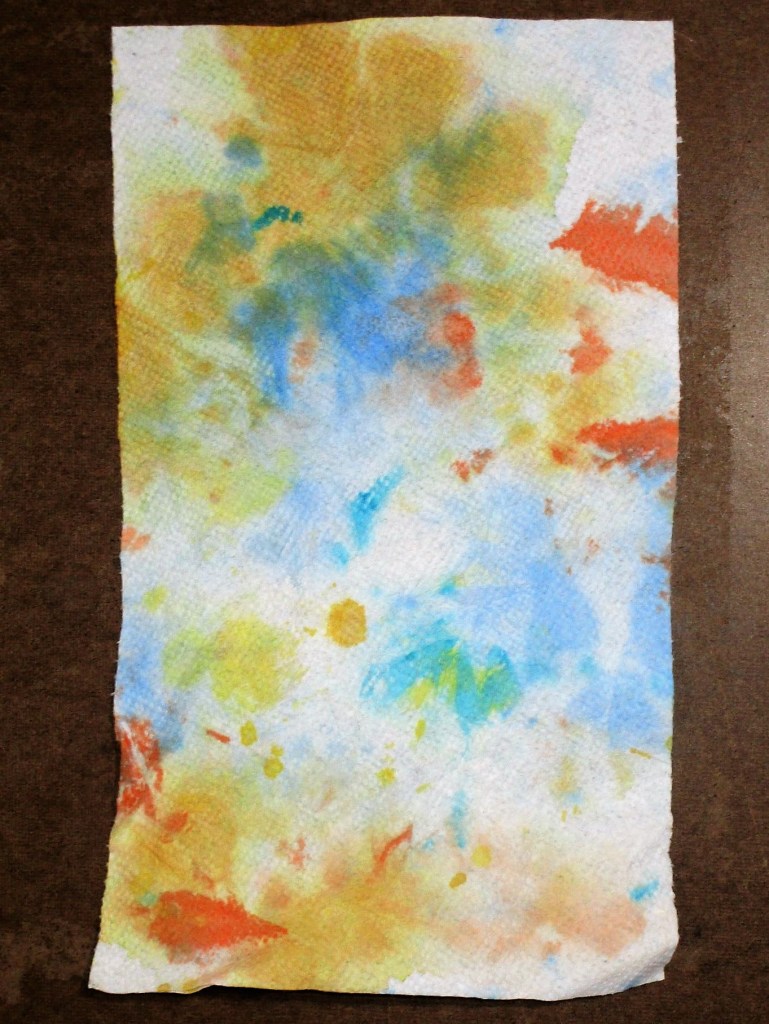
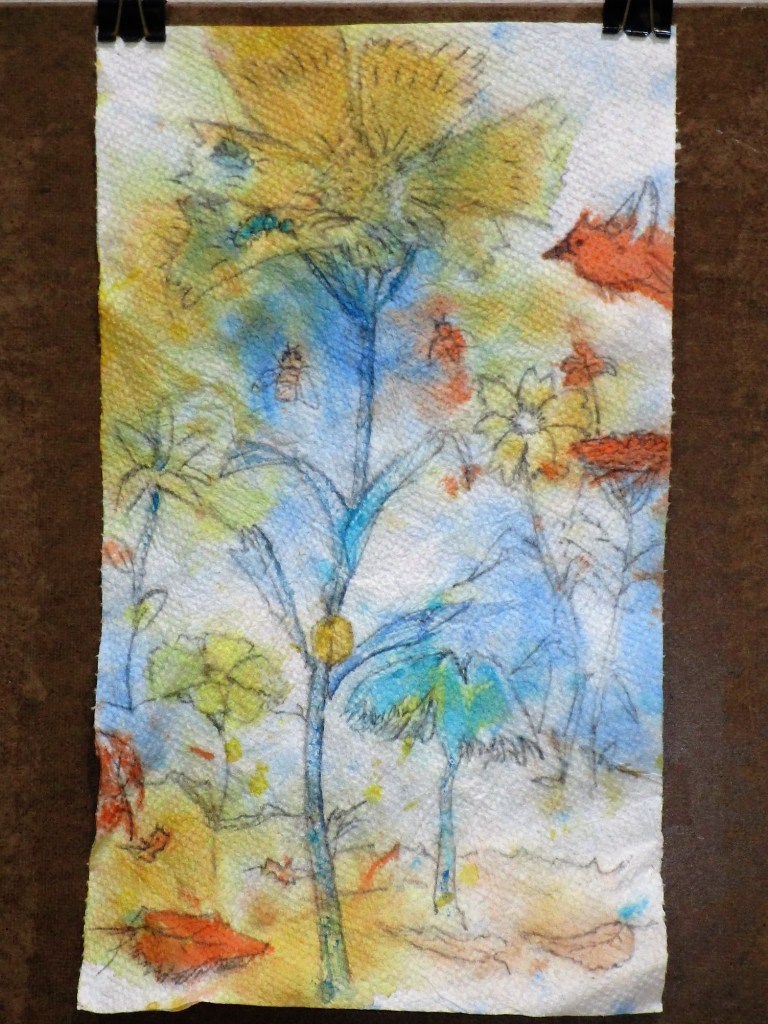
With the idea of using non-traditional materials for this art piece, I started by rummaging through my paper storage drawer. Among the half-used scrapbook pads, pages from old calendars, brown paper bags, pieces of card stock and carefully saved rice paper, I came across this:

Yes, your eyes do not deceive you. This is a paper towel that had been used as a wiping rag. If I had to guess I would say this it is covered in fabric paint, because it was fiber artist Cindy Walter who suggested that I save my used paper towels.
https://www.craftsy.com/class/fun-techniques-with-fabric-paints/
Well, why not, I told myself. This could be made into something, by applying a little imagination and some carefully chosen marks.
The towel was quite fragile, so I started with a 4B pencil. Flowers, I thought. Working through the blobs and streaks, I decided to include other living things that associate with flowers. These creatures are currently busy preparing for the coming of winter. I drew beetles, bees, caterpillars and a curious cardinal. Soon the paper was full of pencil marks. I considered adding color. In the end I did put a tiny bit of blue paint onto the stems, but refrained from adding other embellishments, due to concern about damaging the paper towel.

HAPPY EQUINOX TO ALL.
May this fragile drawing remind you of the frailty of life and our pledge as stewards of the earth to preserve it.
In his Guide to Birds, David Sibley describes the gray catbird’s song thusly:
” …a rambling, halting warble with slow tempo…low hoarse notes with high sharp chips and squeaks interspersed….little repetition and little mimicry.”
…..which is, while accurate, a rather dry and technical explanation for what I heard that day:

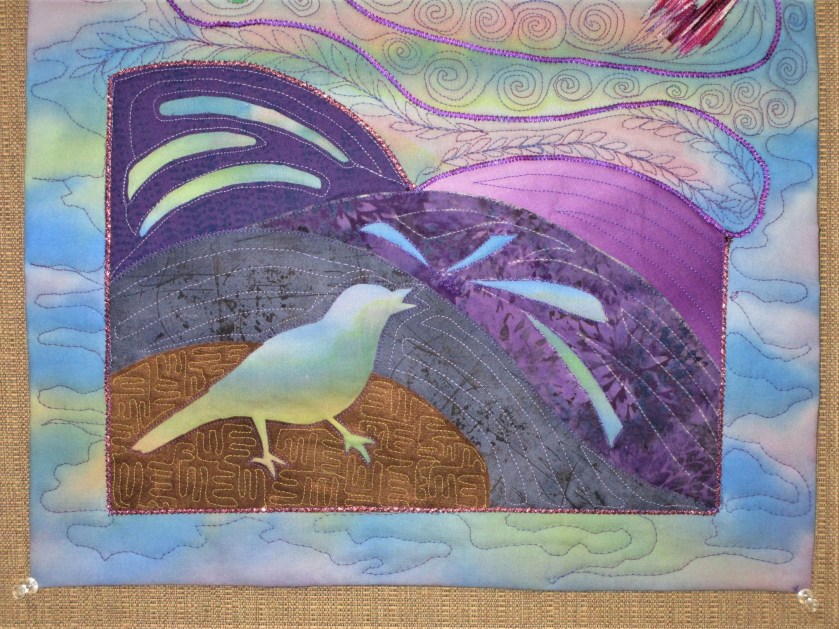
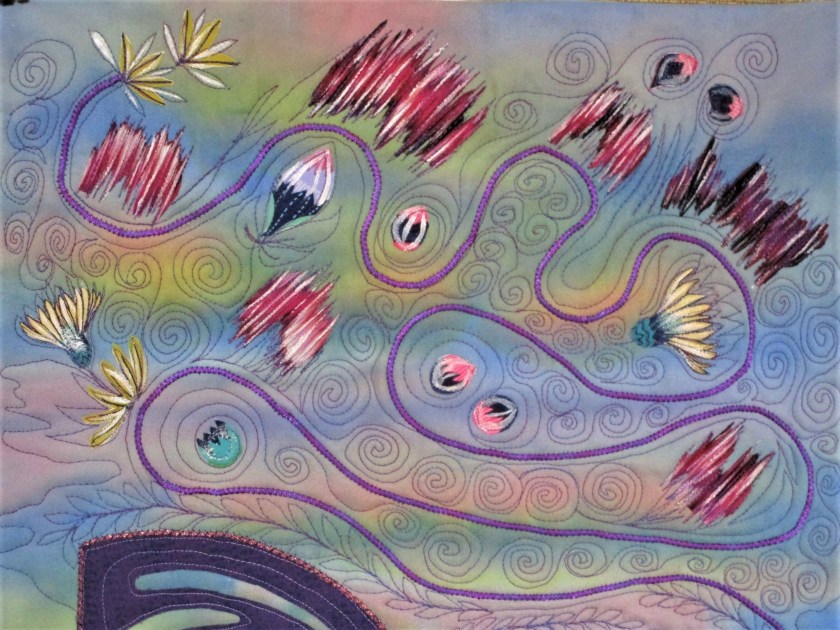
In my final arrangement of this fiber object, I ditched the blue fabric which I was going to use as a framework for the “notes and chips.” Instead, I let the purple satin cord act as a highway for the eye to travel to each vocal outburst. I also unified the color of the lower section by overpainting the batik print using violet.

The free motion stitching wasn’t overly planned. I mostly just followed the clues given by the appliques and the color changes in the background.

I hope you enjoy “seeing” this catbird’s song, as much as I enjoyed listening to it.

The idea for this fiber object came to me one morning while porch-sitting with a book. It was a gorgeous day, but I was poring intently, with all my focus, on the book in hand. Surprisingly, I no longer remember what I was reading. The probable cause of this memory lapse was the very thing that intruded upon my thoughts. A catbird had begun an insistent and virtuosic song. The sound tore my mind from my book and into the present moment. Looking about, I failed to spot him. So instead of continuing to search with my eyes, I closed them and sat back in my chair.
Pretending that I possessed synesthesia, I imagined what that birdsong might look like, if it were visible. There were deep chortles and murmurs, but also squeaks, shrieks and ascending melodies. It went on and on. And on. Eventually the catbird flew off.
Here’s what I wrote in my journal: “Sky-inspired painted background. Reverse applique to suggest an unseen bird. Throaty -chortling purples, warm tones high pitch trills – bright white squeaks. dashed gestural lines to suggest direction of pitch. Parallel wavy lines for a musical staff.”
All very poetic. But I want to make a piece of visual art, and as such it must have form.
This week I got underway. Since my fabric paints were out, I started with the background. On a piece of white quilting cotton I stroked colors that I thought would make a good sky at daybreak – pale blue, violet, peach and gold. I achieved this rather startling canvas:

What sort of a sky has leaf and dark green in it? None I’d ever seen. I was prepared to set it aside and start again. But on second thought, I chose to continue with this background. The unconventional sky colors can represent the effect of birdsong on the air. Here is my bright background after it dried.

Next comes the sketch. I put the catbird’s silhouette in the lower left.

Now the hard part. Searching my fabrics for the colors mentioned in the journal, I found some purples and some brassy bright scraps. Also a few interesting prints. Most of yesterday was occupied with choosing, cutting and attaching fusible to the back of my chosen fabrics. Here is what this applique quilt looked like at the end of the day.


While I am keen to get on with this work, I need some supplies. So I will have to pause pending a visit to the craft store.