Posted in hand embroidery, painting, quilting

Return to Lake Montgomery

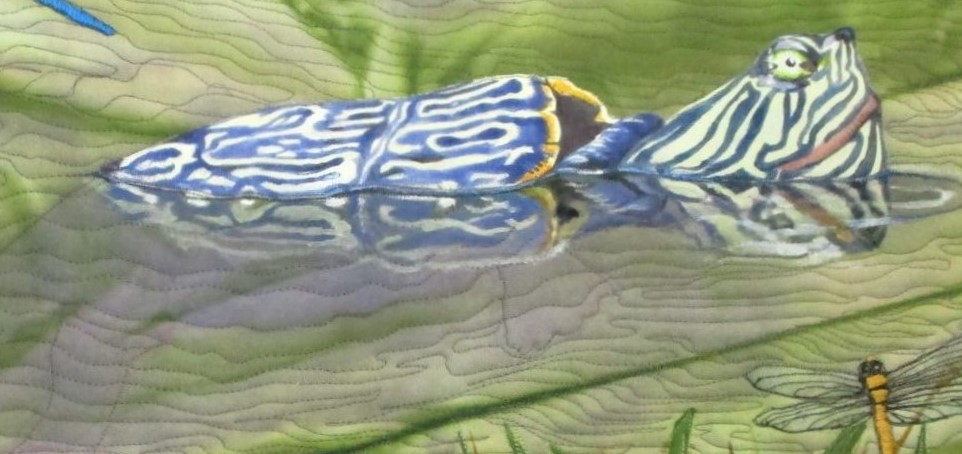
It’s been a while since I shared the turtle in the pond fiber object. As a reminder, it was inspired by a photo taken by Bill on a recent camping trip at Lake Montgomery.
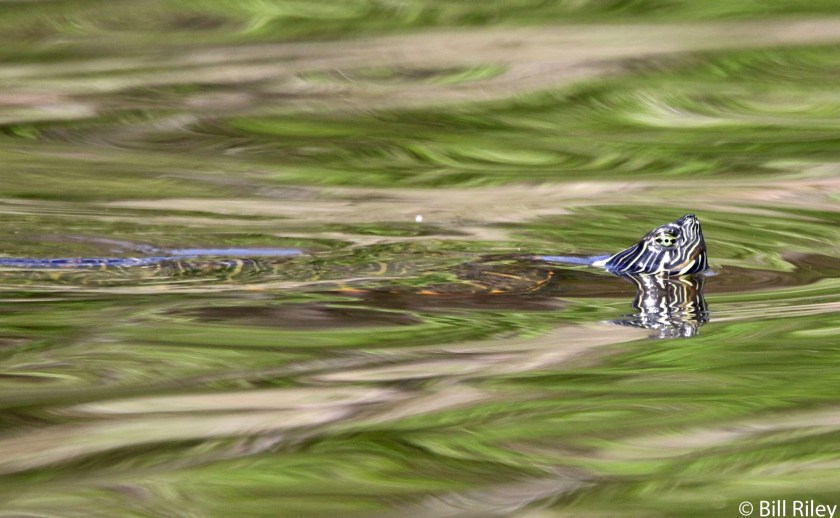
I loved the light, the colors and the texture of this image. I knew right away that I want to create my own version in fabric.

Here is a recap of how I processed this inspiration. First of all, I used fabric paint and the Shibori technique to render the background on cotton fabric.
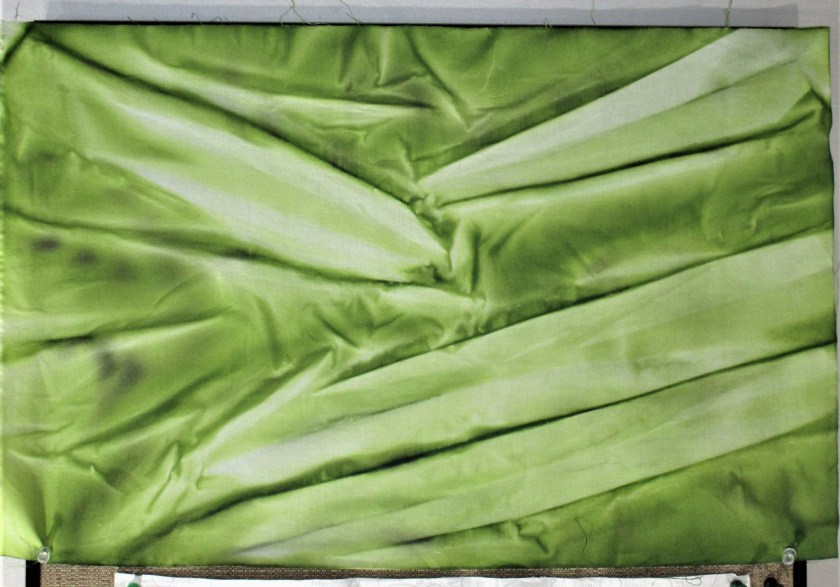
The piece is about 15 by 20 inches.

After the paint dried, I added another layer to render some shadows. Next I painted the two halves of the turtle onto white fabric…….
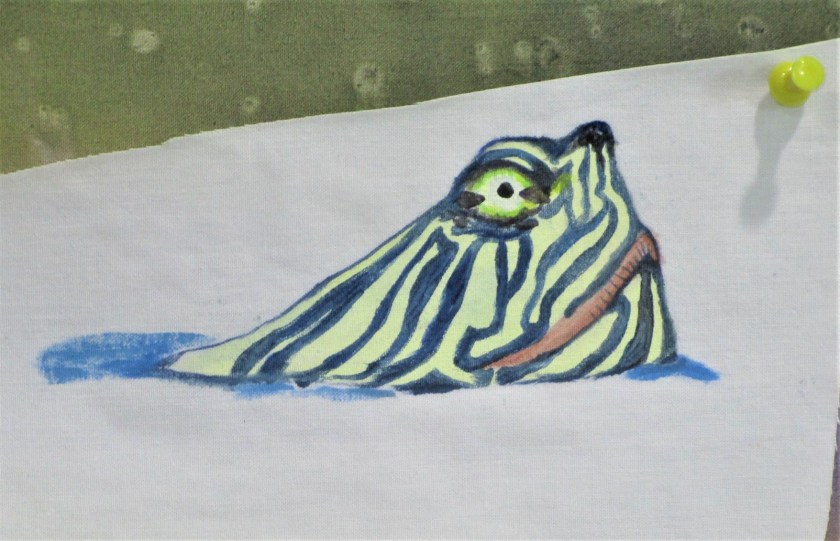
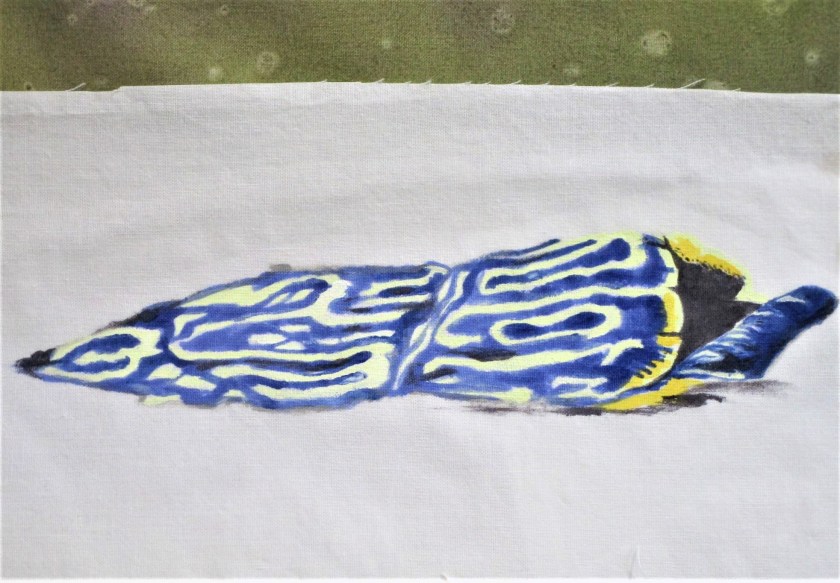
……………..… and appliqued them to the background using fusable interfacing.
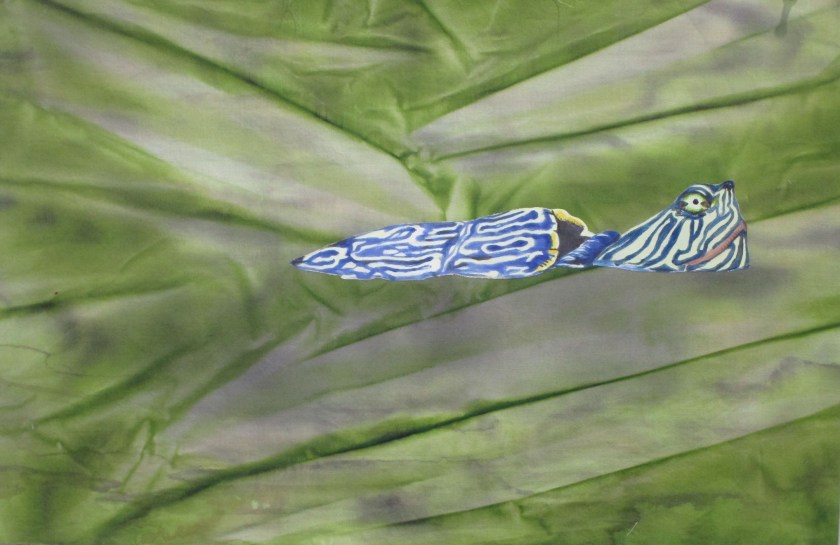
This is how things stood while I pondered what other elements would enhance the image.

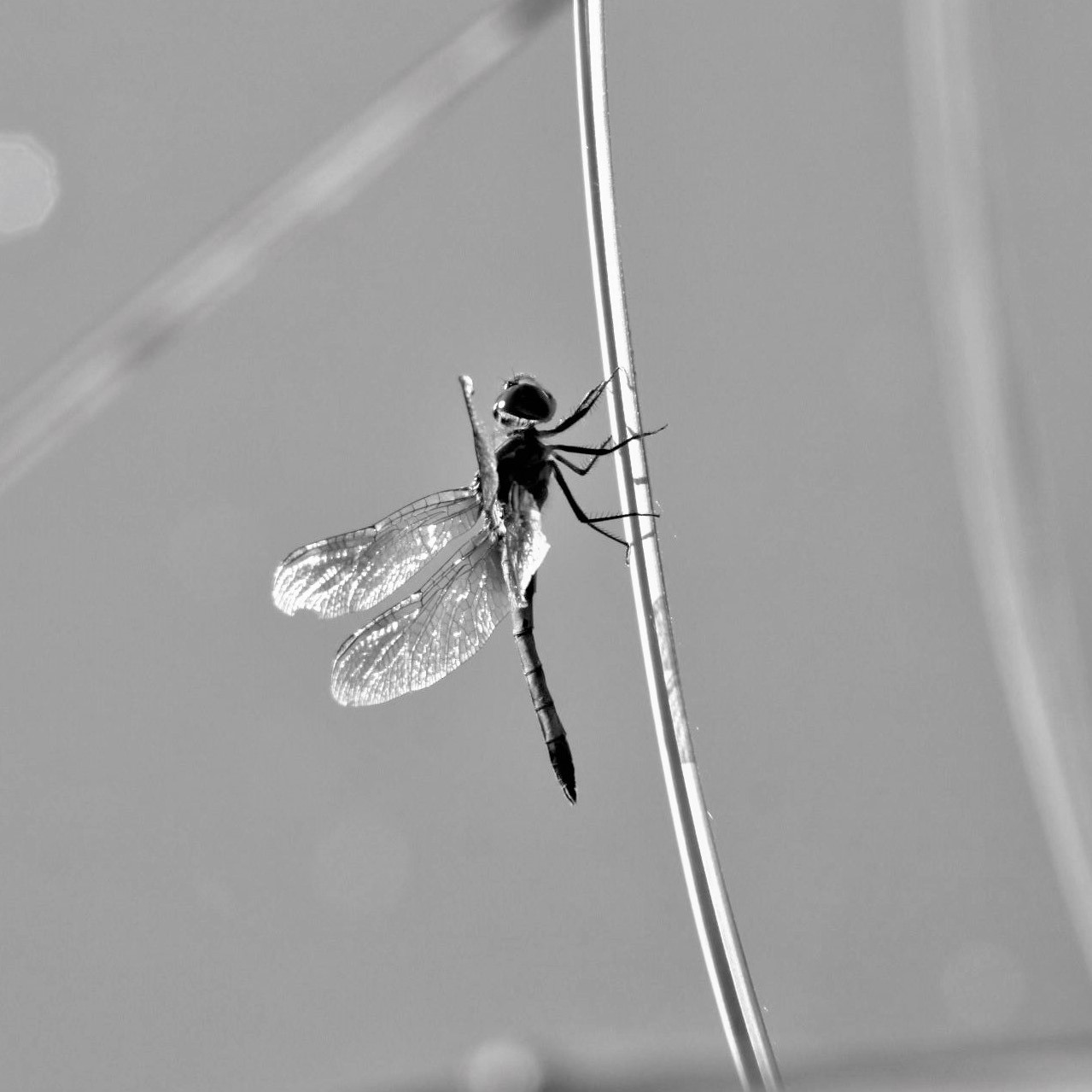
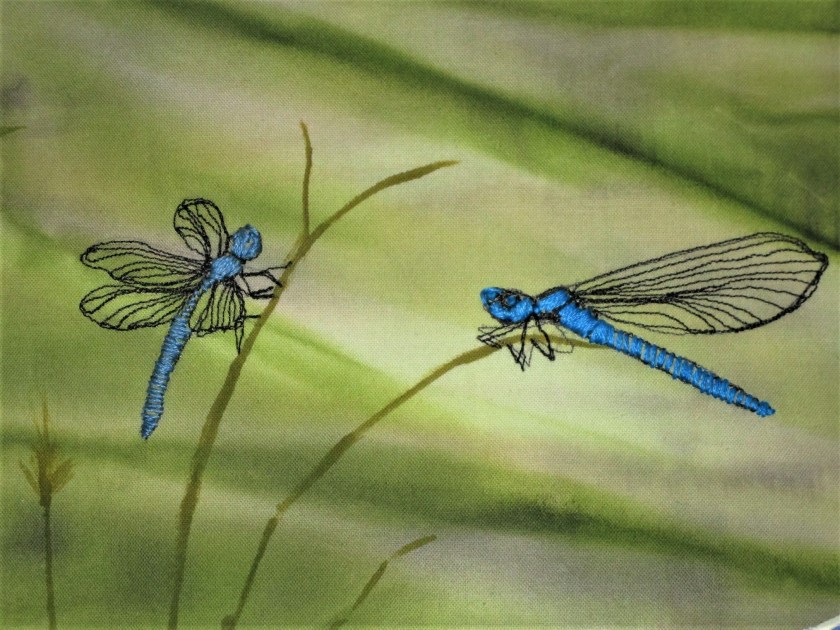
I decided on a few damselflies. More images by Bill were consulted. I picked three beauties, hand embroidered the bodies with floss and machine stitched the wings.
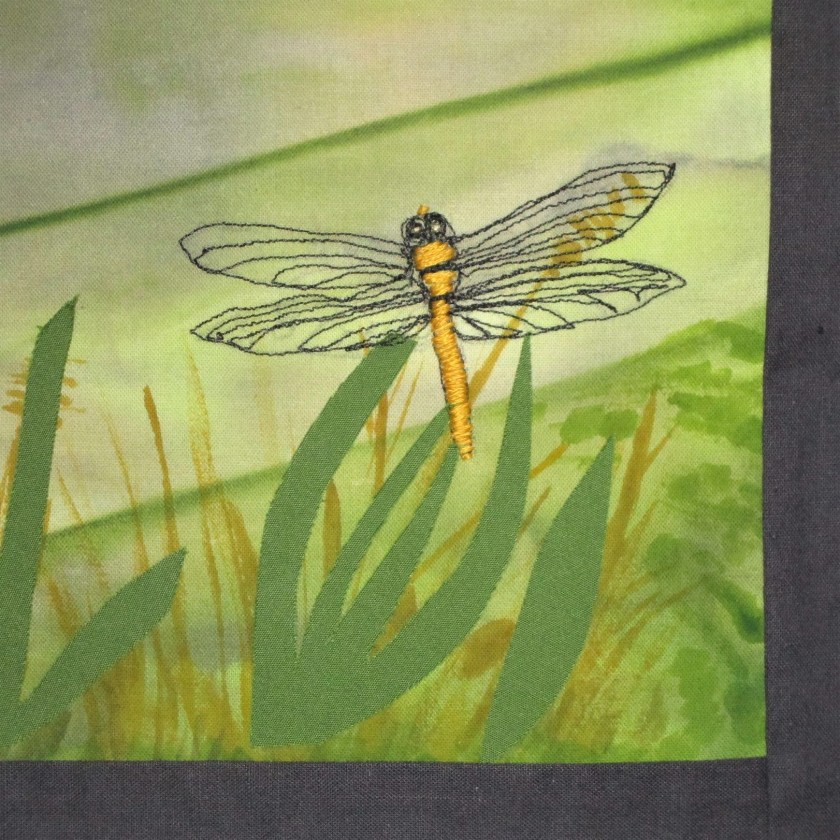
You can see the water plants I added in the foreground using applique and paint.

I sewed on a black border and then paused. This week I finally got around to quilting. My intent was to make the stitch lines look like pond ripples.
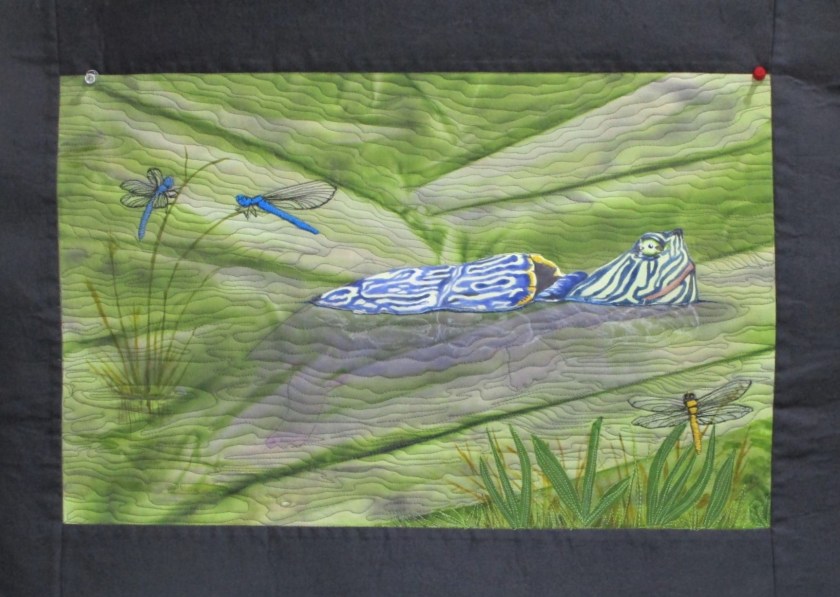
How did I do? Are they watery enough?

It took a lot of pondering and a dose of courage to add the turtle’s reflection. The only real option was to hand paint it using opaque Setacolor. So I did.

And here is the finished project.
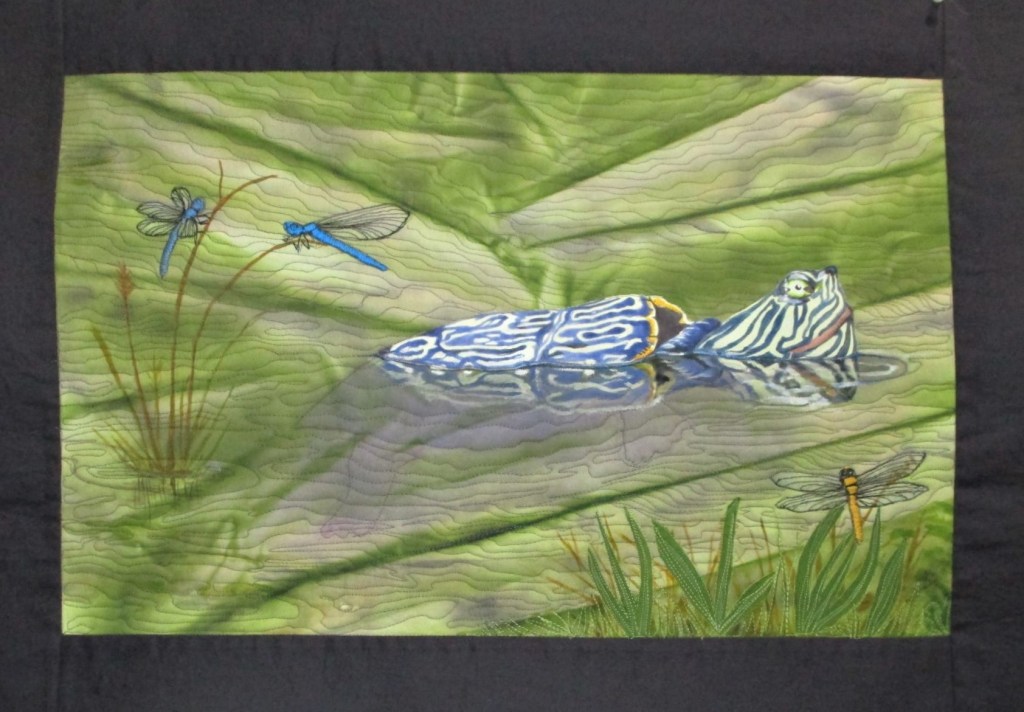
Springtime at Lake Montgomery
Detail of reflection

This fiber object is now a wonderful reminder of a very special camping trip.

Posted in hand embroidery, quilting

Sunday Walk, Sunday Work

Yesterday was cool, but sunny. We went walking on our favorite trail, the Pathfinder. On sections of the path which are not shaded by trees, there were wide swaths of blooming flowers, predominantly white clover. Clover is not a native plant here, but still highly valued by the local denizens of the air – bees, butterflies and dragonflies. Bill got some great photos of these fliers with his high-tech telephoto lens. I confined my efforts at photography to things that hold still – especially the flowers. I also snapped photos of the pond, focusing on the willow branches which overhang the water. My goal is to incorporate additional elements into my turtle fiber object.

Upon returning home, I set to work. I have been fussing for the past three days over how to add pond insects to the turtle FO. I first tried making appliques on a scrap of fabric with the intention of fusing them to the background. That technique didn’t seem to work well. It didn’t give me the transparency I wanted for the wings and it didn’t give a life-like look.

But then I stumbled upon Lola Jenkins, a self-taught fiber artist who specializes in thread painting.

https://www.lolasdesignerquilts.net/craftsy-class

This bold, fearless quilter takes a black sharpie marker to her quilt, creating permanent stitch lines. She then stitches over these lines with black thread. In her Craftsy class, she likes to say, “If you are like me, go for it!”

So I did. Not with a marker, but a pencil. I drew the insects, then free motion quilted all of the pencil lines. Here are the inspiration photos (taken by Bill) and the resulting free motion quilted images.

I used embroidery floss to fill in the bodies

Now my lovely turtle has a few companions. I’m happy with today’s additions and feel more confident about starting the next step – background quilting.

Posted in painting, quilting

Update on Turtle Fiber Object

The past five days have found me in a creative slump. Having got my turtle idea started, I am mulling ideas and fiddling with techniques for the next steps. As a reminder, here is my inspiration photograph.

There are two tricky parts for me: 1. How to portray the reflections, and what other elements should be included.

I did get the subject-turtle painted onto to white fabric, in two pieces.

I also added more wash to the background. My goal was to achieve some depth of color and depict some of the swirls and waves in the pond. That didn’t happen but I did achieve some nice shadows. Next I fused the turtle in place with Wonder-Under.

After practicing on scraps, I decided that I have enough skill to machine quilt the reflections. The advantage of this technique is that the thread can be very light colored, even shiny, against the dark background.

For additional elements, I may go with pond grasses….

… and damselflies. Maybe a willow branch or two. But I have yet to work out the specific images and techniques.

This morning when I entered the studio, I felt momentary pleasure at seeing my recent work. Maybe it’s a sign that today I will get my mojo back.

Posted in painting

Spring Creations – Watery Images

Lately I have been so inspired by the fresh green-ness of springtime. I am eager to make fiber objects that memorialize what I see. While viewing some of Bill’s photographs from our recent camping trip at Lake Montgomery, I was amazed by his images of red-eared slider turtles. They were paddling around in a quiet inlet. The colors of the surrounding trees were reflected in the water and bent by its ripples. That water surface reminds me so much of silk moire. I would love to re-create the image in fabric.

To get started, I reach for my old stand-by medium: Jacquard Dye-Na-Flo.

I’ve mixed up a leafy color by blending yellow, green and a bit of orange. Black will be dabbed on in small quantities.

I think that I can manipulate the paint into ripples by sewing the fabric into pleats – much like a Shibori technique. Studying the photograph, I organize the pleats by direction and number to match what I see.

The fabric is wet thoroughly. I don’t want any of the fabric inside the folds to remain white. Then I sponge the green paint onto the top and bottom sides of the fabric. A little extra paint, including dabs of black, is applied to the edge of the folds. Here is my piece after the painting is finished.

The fabric will need to remain tied up until it is thoroughly dry. This technique works because the parts of the fabric that dry fastest hold the most color. The slowest drying sections will be the lightest in color.

And here is the finished, pressed cloth:

It may be difficult to tell from the photograph, but yes, this fabric is completely flat. I was pleased. There is an uncanny resemblance to the lake water in the photograph.

My next step will be to imitate the ripples by brushing on thicker textile paint. It will be interesting to see if I can do it.

Posted in painting, quilting

Just Trees in Progress

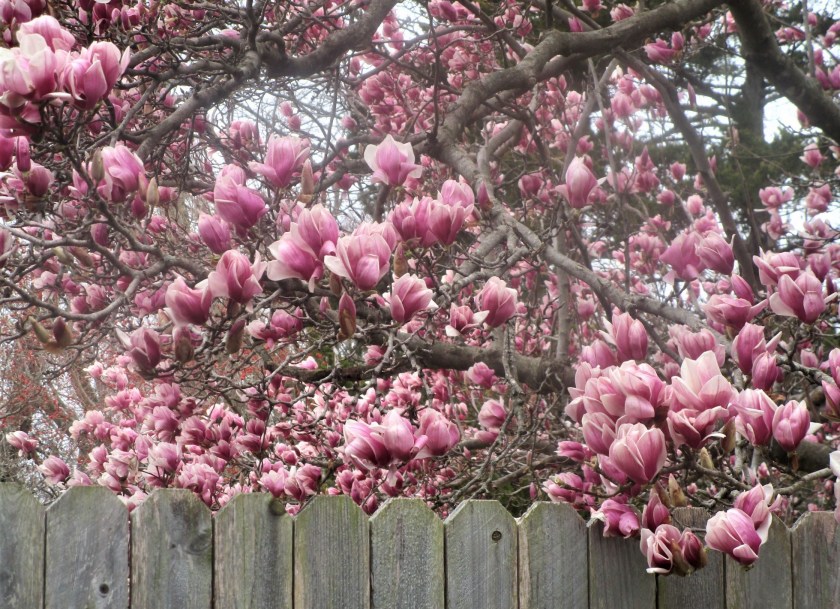
It’s a cold, drippy, soggy-ground day here. Even with the sun behind a cloud, one can revel in the beauty of Spring arriving. This is our neighbor’s tulip magnolia which overhangs the fence in our yard. It is robed in amazing color just a handful of days every year. So I put on shoes and went out into the wet to capture its moment of glory.

Yucky weather seems to give one full permission to huddle indoors and work on fiber objects. The Weaver’s Square vest is within three inches of being fully knitted. I should have a good image to post in a couple of more days.

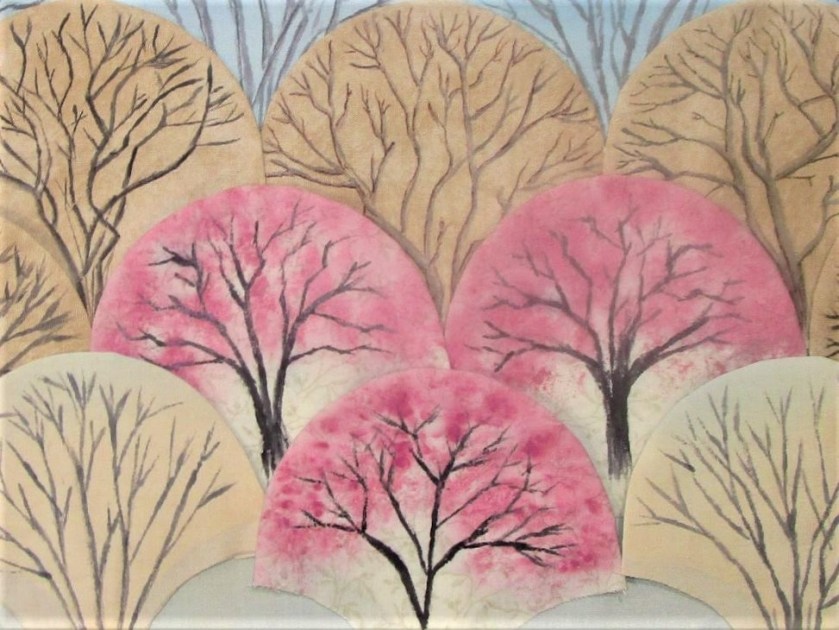
Here is a progress photo showing work on my latest fiber object, which I call “Just Trees.” I have cut and basted four rows of clam shell shapes, then painted each with a tree.

My original intent was to paint all trees without leaves. But hey, I can’t ignore the burst of color right outside my window. The three trees with black trunks and pink tops are meant to be redbuds. It is a native tree that puts on screaming pink to magenta blossoms in mid Spring – usually before any of the other hardwood trees have even leafed out.

I think three redbuds will be enough to create a nice focal point.

So far the top two rows of appliques have been stitched – by hand – into place. This step is only a little bit tricky. But patience and persistence always yield results.

With a continuation of rainy weather and the unceasing announcements of event cancellations, I may easily finish this object before next weekend.