Posted in painting

Channeling Vincent Van Gogh

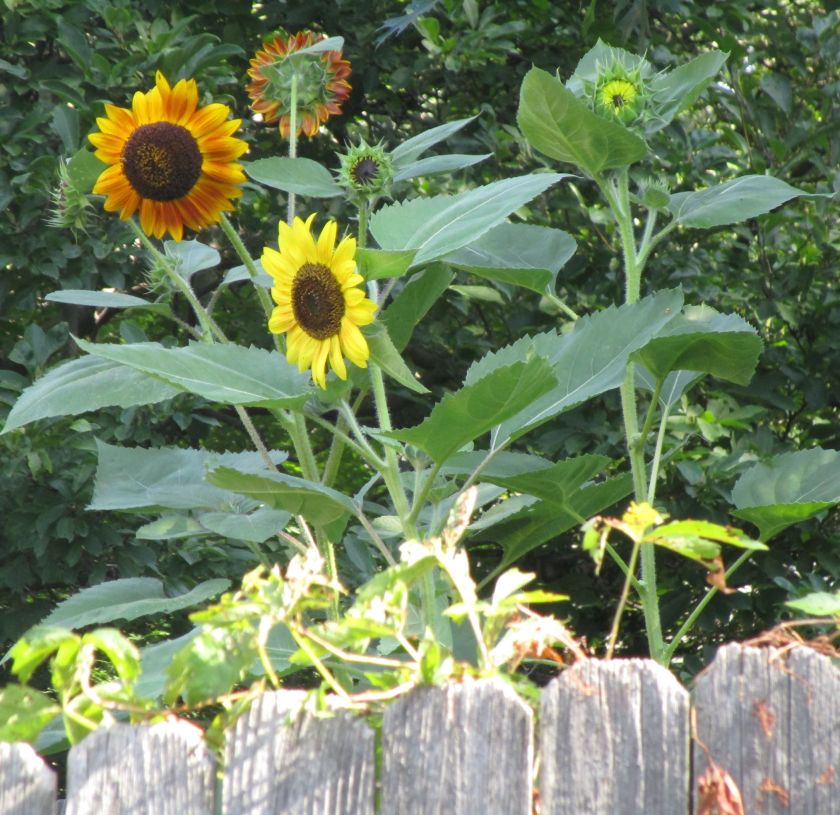
If you read my post dated October 1, you will remember that I have a desire to make a fiber object featuring sunflowers. As a reminder, here is the photograph I took this summer that will form the basis of my design.
I got pulled off my work when I decided to make a “confetti” sample on October 1st. It was great fun, but it won’t really give me the effect I want for this background.

So today, I am back on the trail of Van Gogh. I’ve studied some of his still life paintings, enough to get a handle on how he painted those dotted backdrops. I am trying it on the background fabric I have selected. It is a mottled pattern in a Prussian blue color. Certainly, it looks painterly in its own way, but it lacks the dynamic quality I seek.

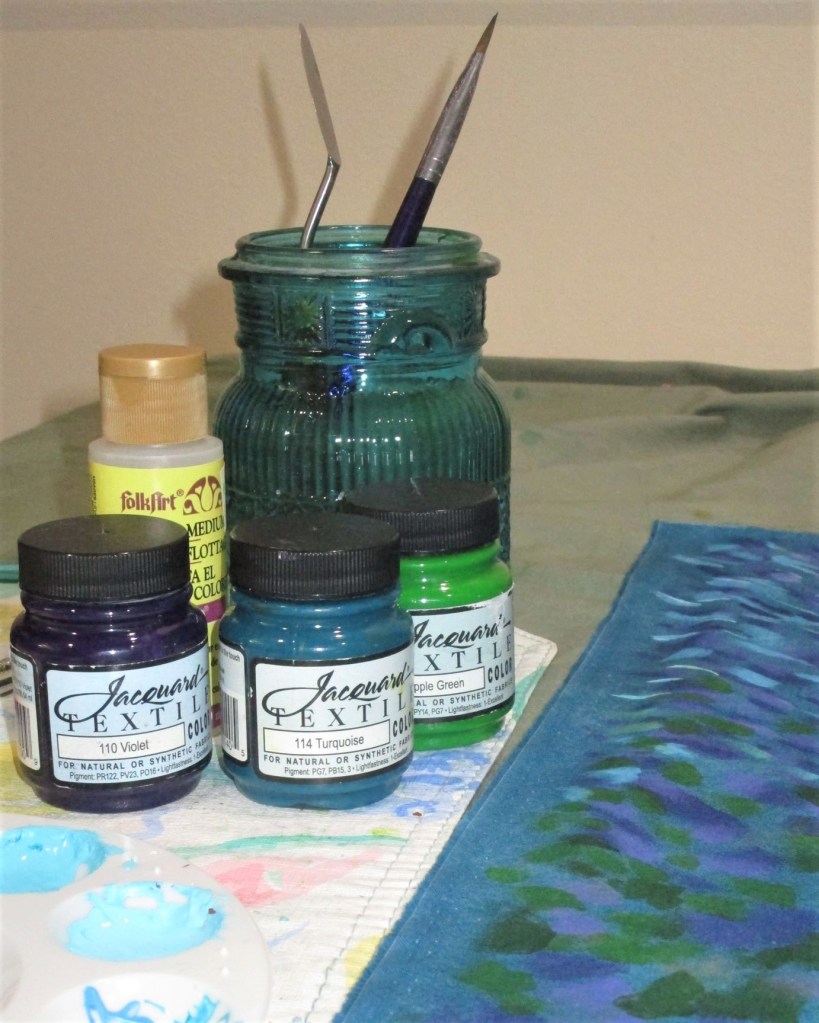
I get out my Jacquard textile paints and, with new brush in hand, start at the top of the fabric. Directional lines and dashes are what I’m going for.

Sky complete, starting on foliage background.

As I work my way down the fabric, I move from thinner lines to fatter, more blocky shapes. These represent what I see when looking at the background of my photo: mottled light and shadow of leaves, branches, etc.
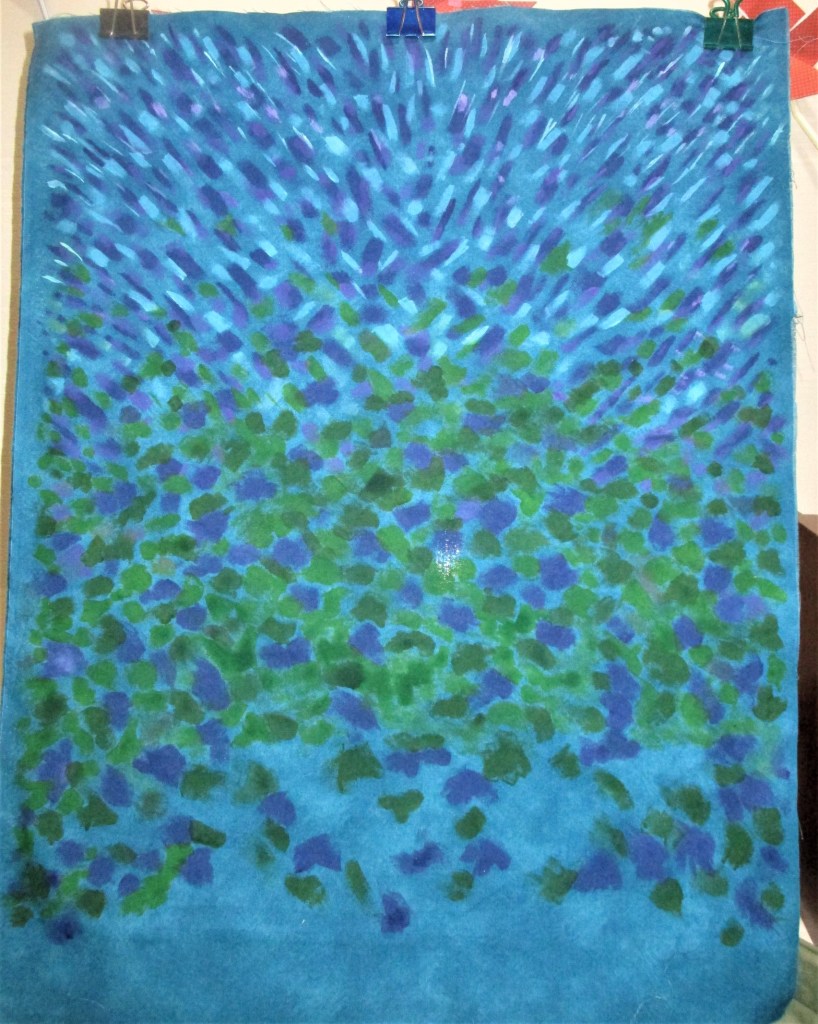
Middle section painted.

I leave the bottom of the fabric blank, because the foreground is the fence. I have another piece of fabric for this element. It will be painted with a dry brush technique to portray the weathered state of the boards.
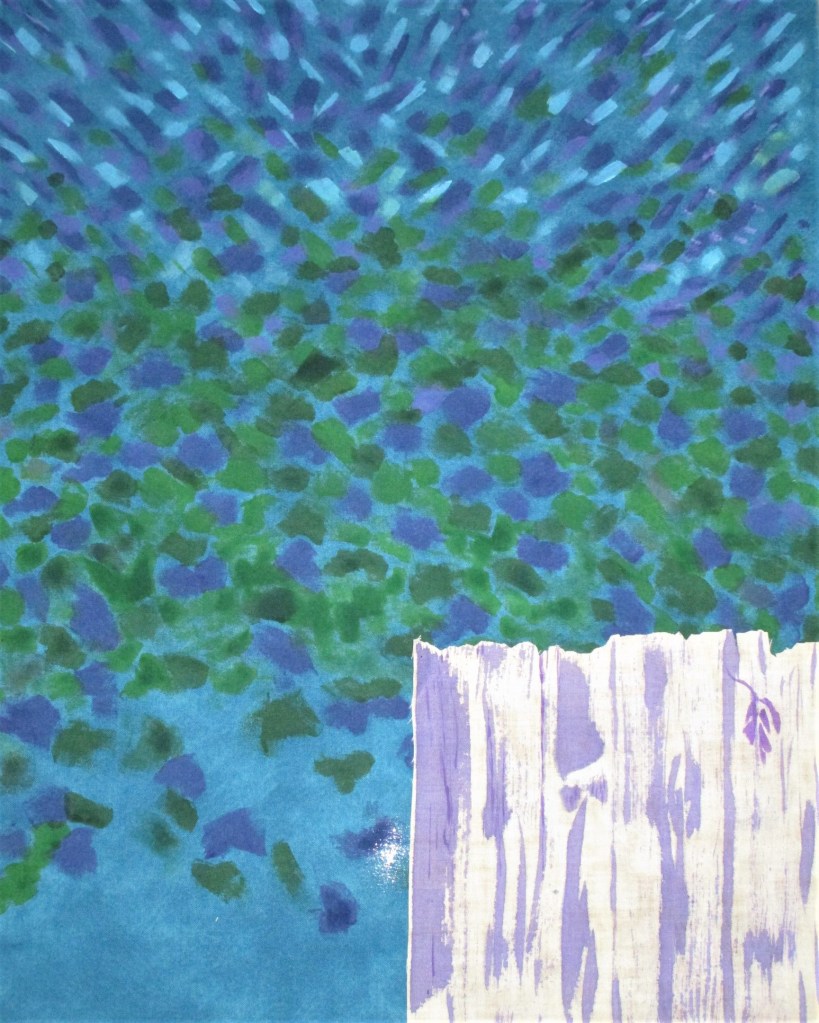
Background with my test swatch of fence fabric. I make the marks in violet paint.

I found this process quite meditative. As the fabric gets filled with splotches, one pauses, studies the work, and asks oneself: Where do I put the next mark? What is it calling for? How will I know when it’s finished?

Mr. Van Gogh might have known, but I am only guessing.

Posted in Uncategorized

Sunday Walk on Pathfinder

Today was way too beautiful to spend it staying indoors. We walked.

Here are a few highlights from sights seen in the woods near our house today.

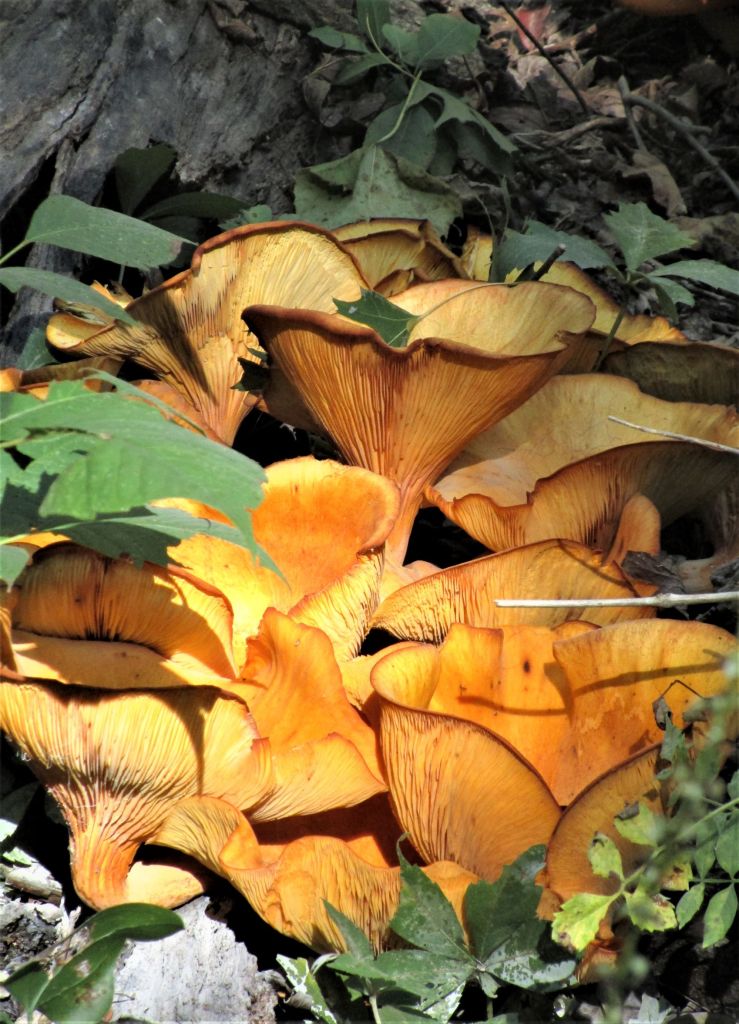
Fungi the color of Halloween

Such an intense orange color, these fungi begged to be photographed.

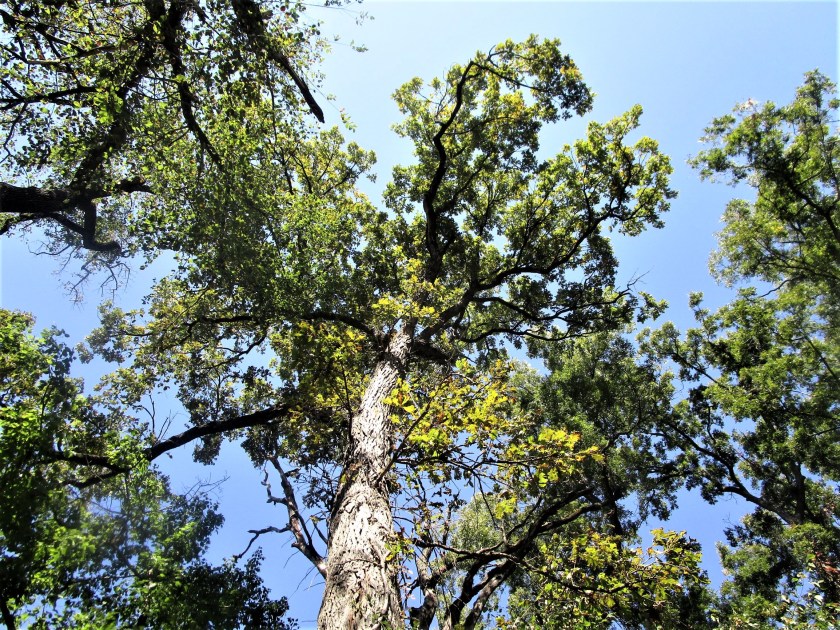
Oak Tree Tops

It pays to look up.

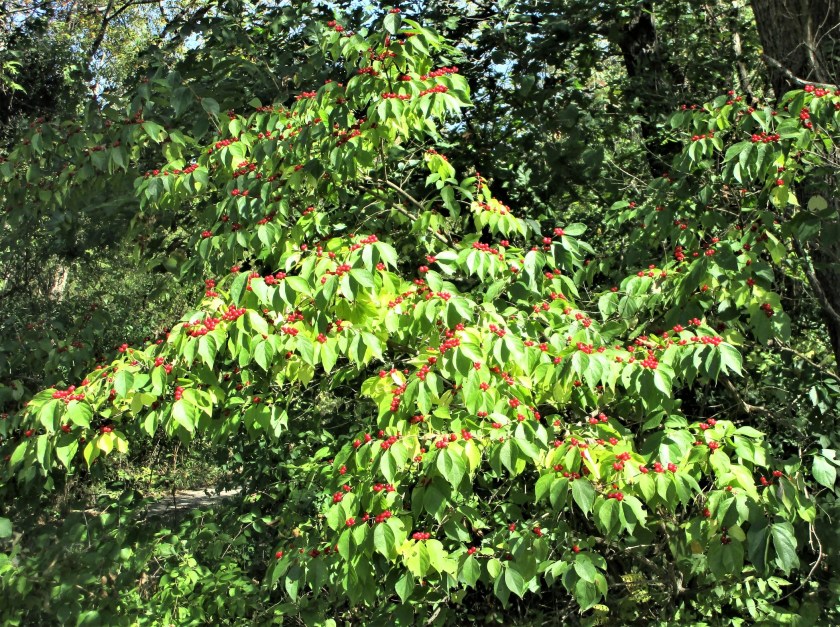
Bright berries and neon green leaves.

I don’t know the name of this shrub, but it was abundant in the flood plain.

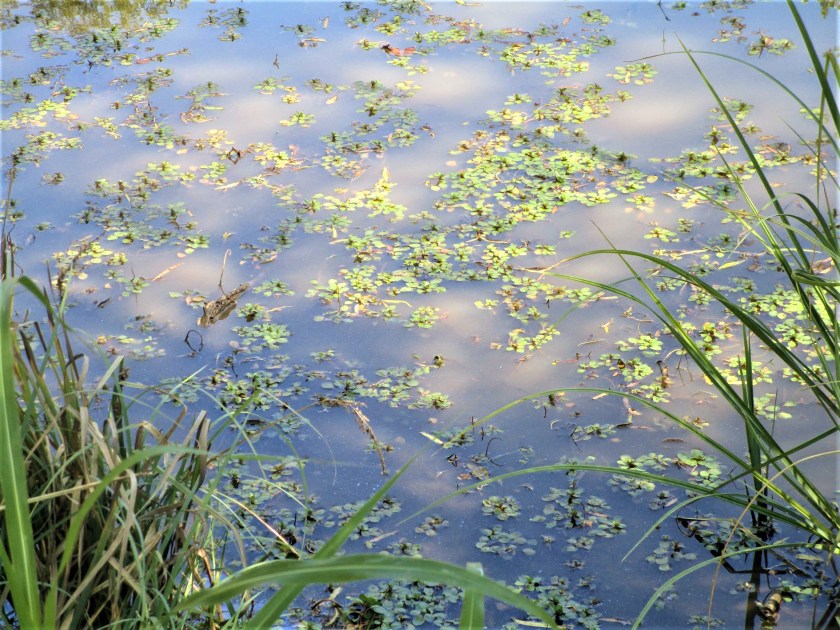
Pond with reflected sky

I love the duckweed’s color. It’s so intense.

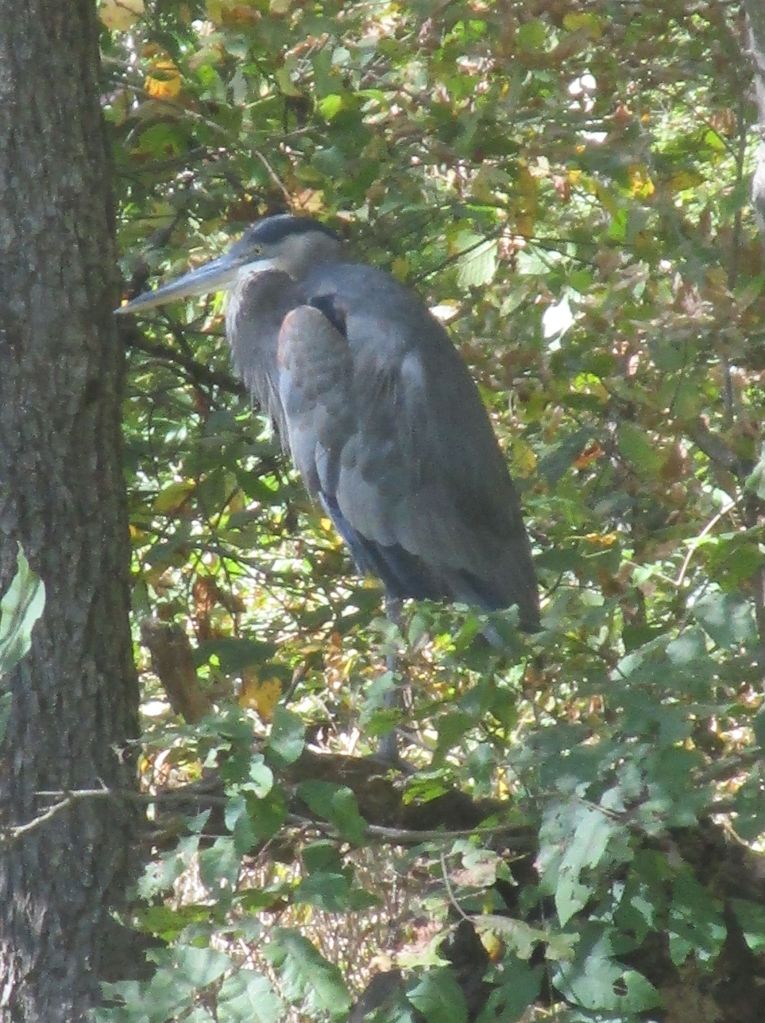
Great Blue Heron perched in a tree.

At the pond, there was also a snake sleeping next to the path. I didn’t take his picture.

Golden rod next to willows.

Goldenrod was the most glorious blooming plant today. It was a favorite of the bees.

Posted in drawing, quilting

In the End – Confetti

My creative bent took an unexpected turn today. I started the day by thinking about Van Gogh. You see in the photo the sunflowers I planted this year. I took this image over my garden fence with the idea that it would make a good reference photo for artwork. To further this end, I made a sketch of the photo this morning.

This is a simplified image that I thought would work well for either water color or fiber. Since I am currently up to my eyeballs in reference photos suitable for water color painting, I decided to make a small art quilt featuring sunflowers.

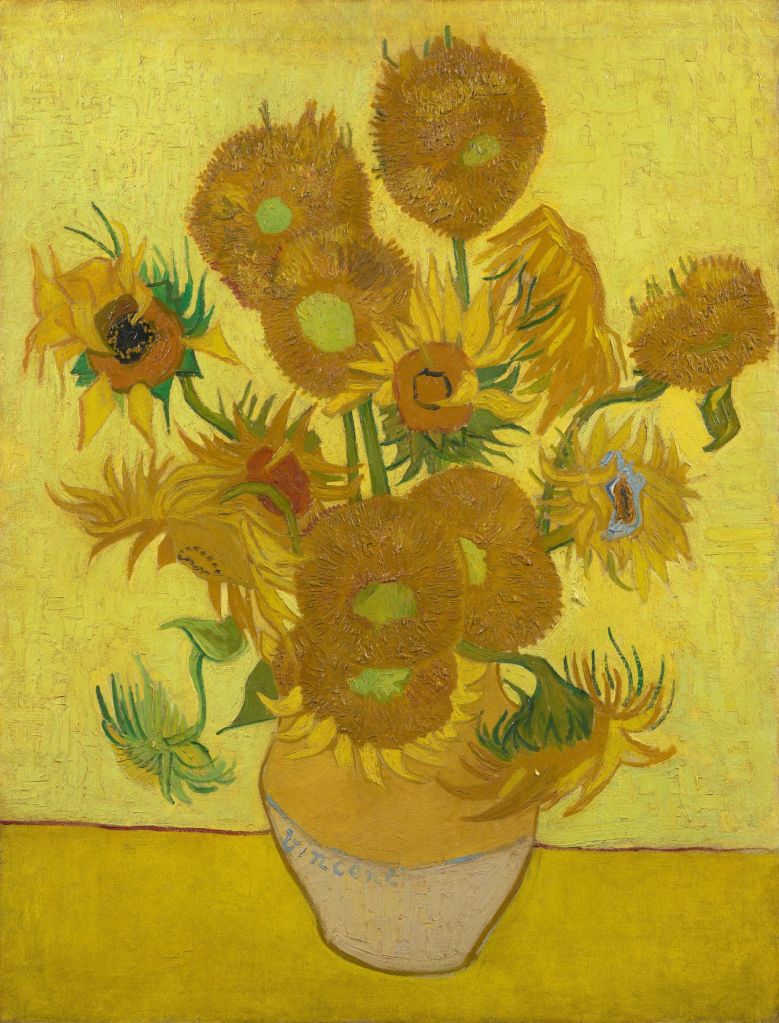
This is what led my brain to Van Gogh. Sunflowers were a favorite subject of the artist. He liked to paint them as still life images, cut and arranged in a vase.

https://www.vangoghmuseum.nl/en/art-and-stories/stories/5-things-you-need-to-know-about-van-goghs-sunflowers

I intended to portray them growing in the garden. But I wanted to create a “Van Gogh” like background – full of color, motion and energy. Think of Starry Night as an example.

During my blog browsing today, I came across a post from the group 15 by 15. This is a very creative group of quilters who like to work challenges. One of the members mentioned that she used the “confetti technique” to create the background of her new work for the current challenge.

My brain started firing up! What is this “confetti technique?” I must learn more!

Of course You-tube came to the rescue. I found an explanation on how to add confetti to a quilt. There are several techniques, but I watched this one by Gail Hunt.

The rest of the afternoon went like this:

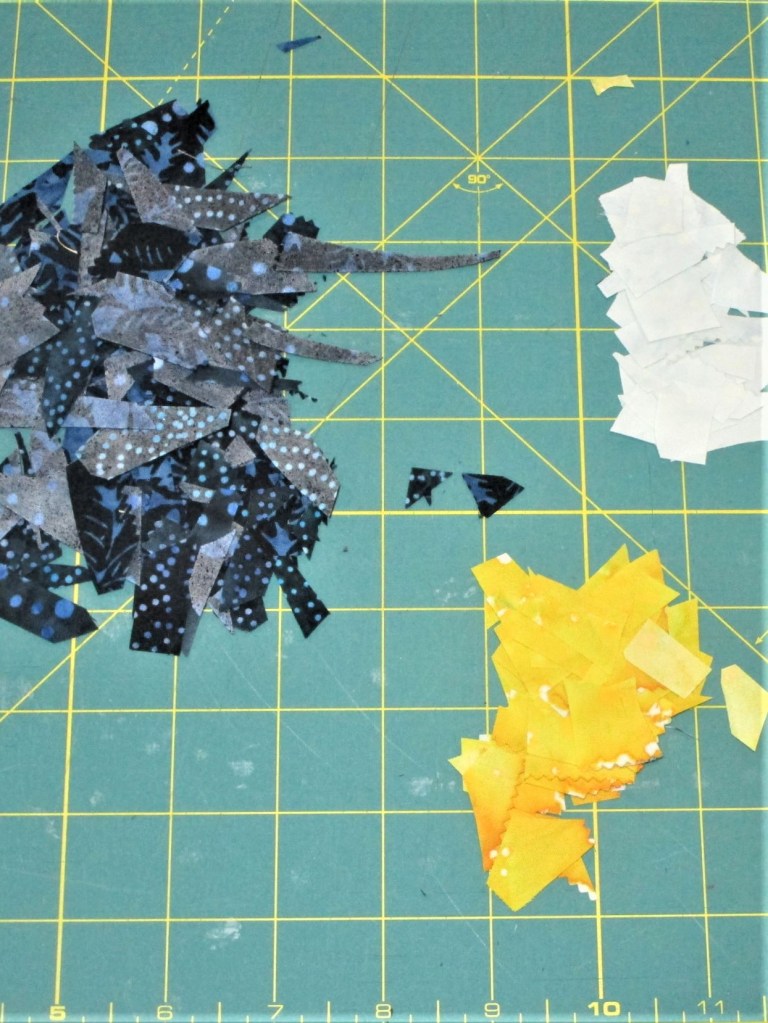
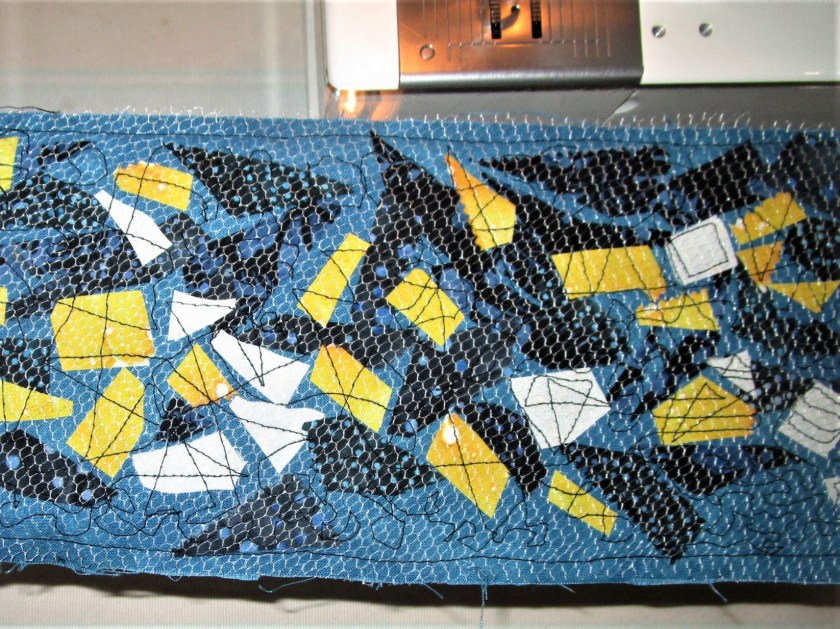
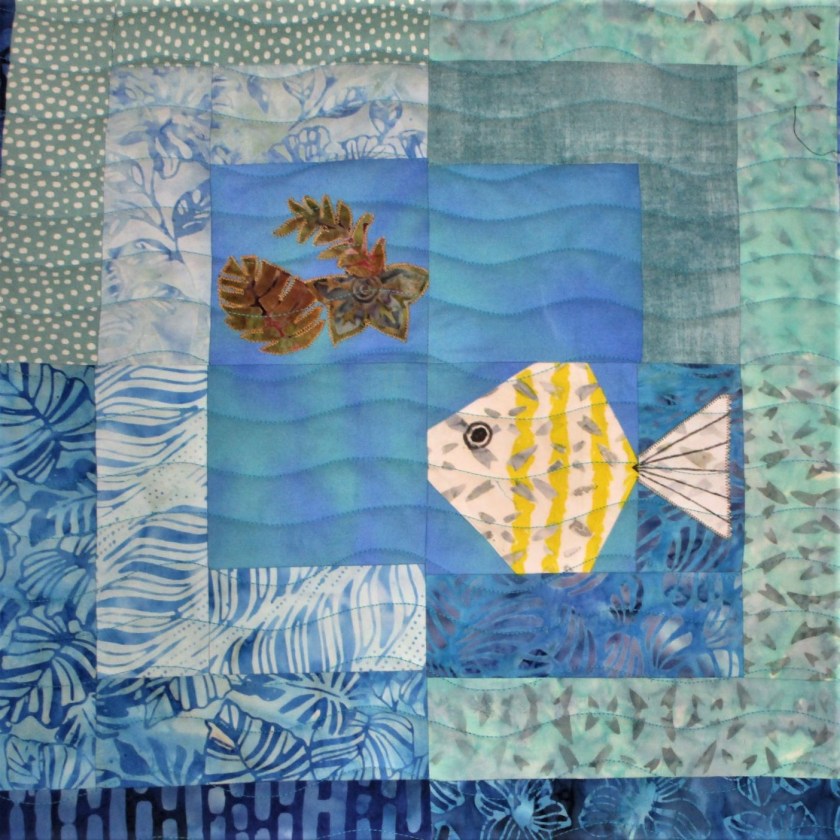
Find a bunch of scraps. (I used several from my Under the Sea quilt, because they already had adhesive attached to them.) With your rotary cutter, slice them to bits.

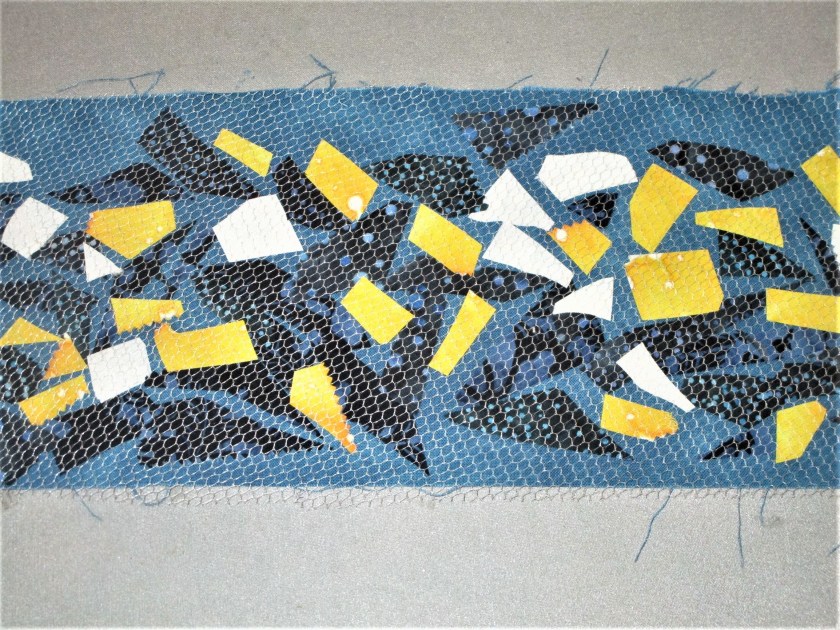
Arrange on a background fabric and press them down with your iron.

Cover the piece with a bit of tulle or netting. Glue or stitch it in place.
With sewing machine and free motion foot, stitch over the piece like crazy. (I used black thread to meander on the background and sew straight lines over the pale bits.)

I then switched to white thread and made swirls into the dark areas.

Just like Van Gogh’s “Starry Night.”

Posted in painting

Learning to Paint Water

I’ve moved on to the next tutorial by Shari Blaukopf. This one is exciting to me because it’s all about techniques for painting water. Still water, moving water, rapids, reflections, waterfalls – these are all subjects that interest me greatly.

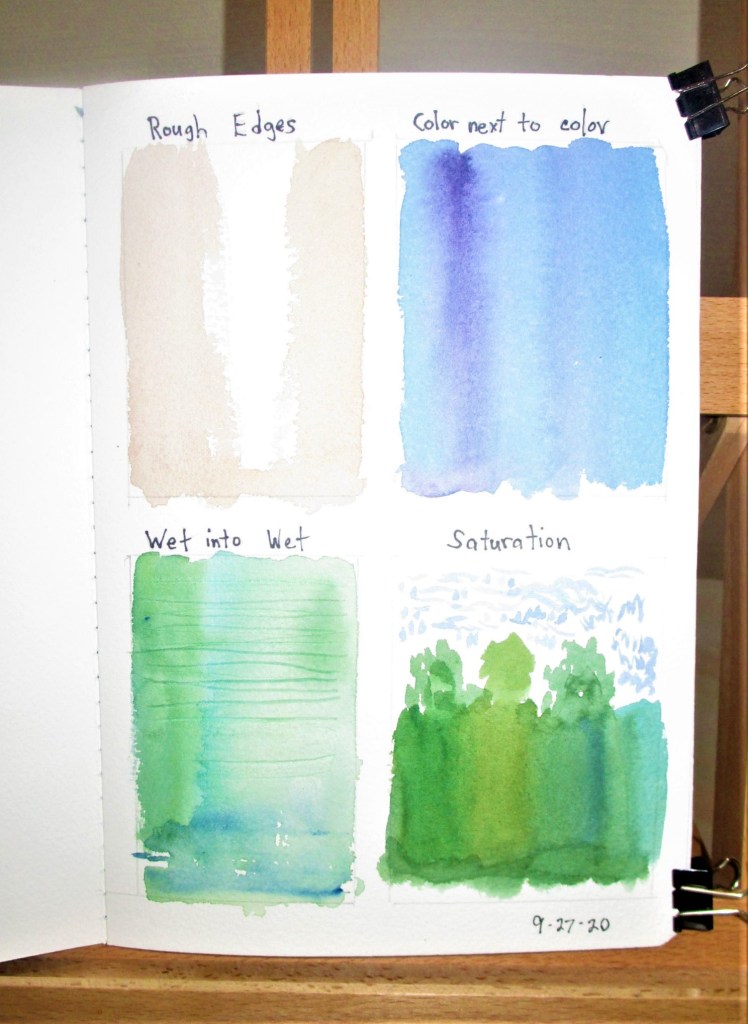
First off was brush techniques frequently used to paint water.

Sketchbook – first attempts

Hm, I think the wet into wet needs a little more practice.

A little better.

There’s no substitute for learning by doing, so I moved on to the first subject: Still water. Here you see my sketch and the first washes.

While I might have made the blues darker, I was well enough satisfied to move on to the next steps.

In my enthusiasm to paint, I failed to get photographs of each stage. Let’s just say that there were two more layers of wash (mostly on the trees) and then final details. Once everything had dried, I applied some white gouache lines to the still water.

Completed painting:

While I feel that I succeeded in getting the reflections right, I’m not terribly satisfied with the overall painting. I’ll probably try it again.

To see Shari’s work, you can visit her blog here.

Friday, Oct 2nd. Today I painted the still water scene again. This rendition is much more pleasing to me.

The colors are cleaner and more transparent. The sky and water are vibrant instead of washed out. And the vegetation in the background is clearly defined.

Posted in quilting

Finished Object Friday

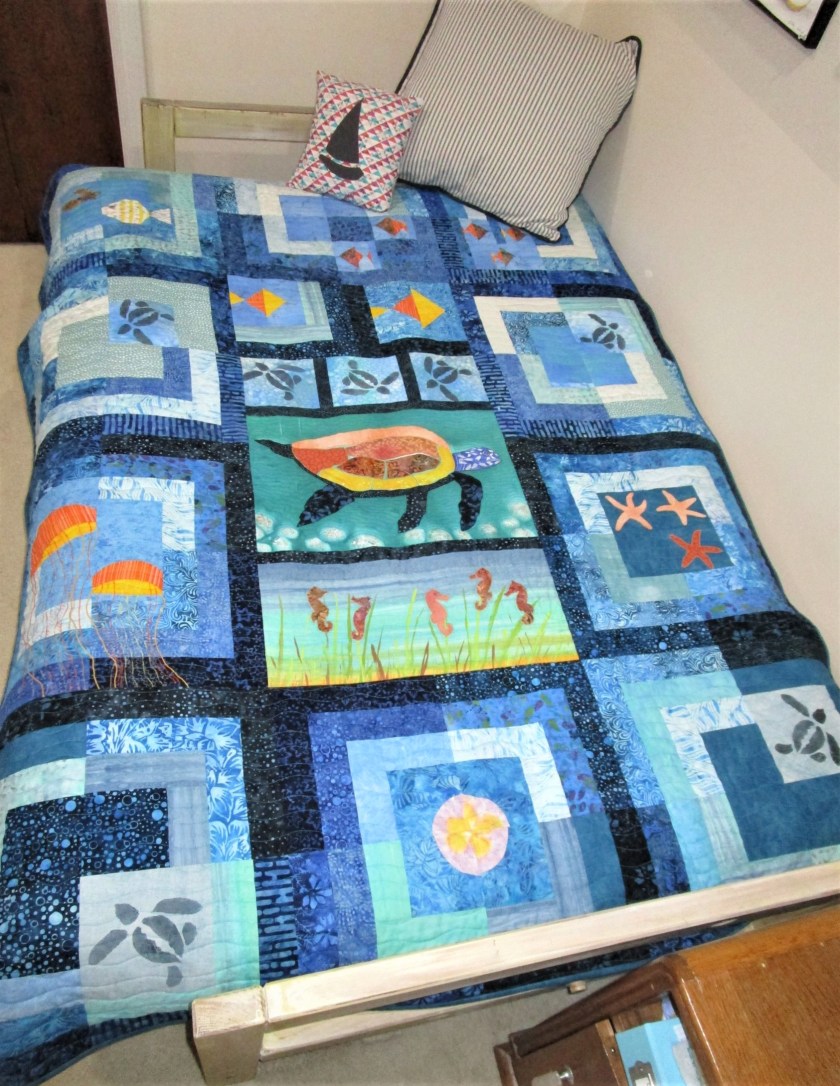
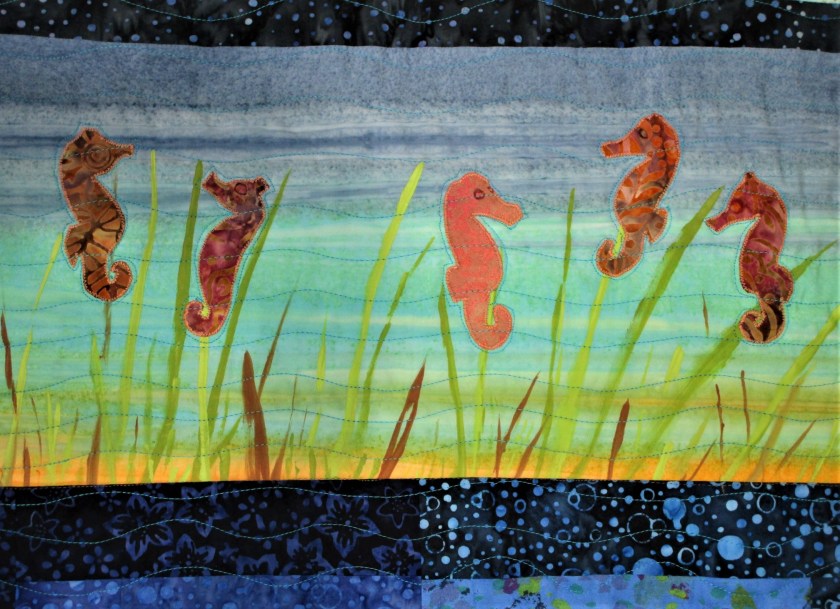
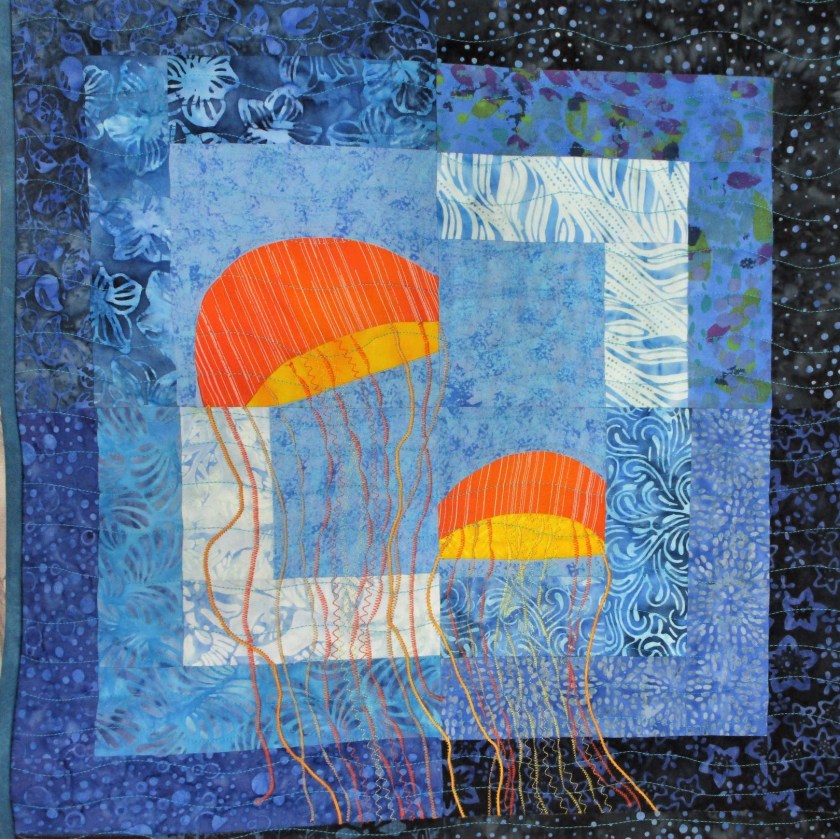
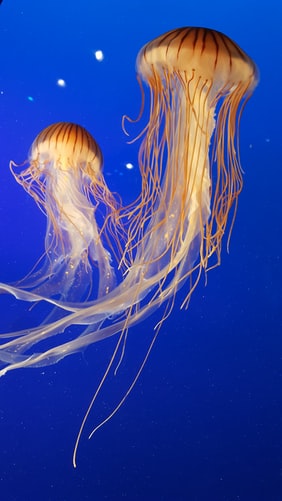
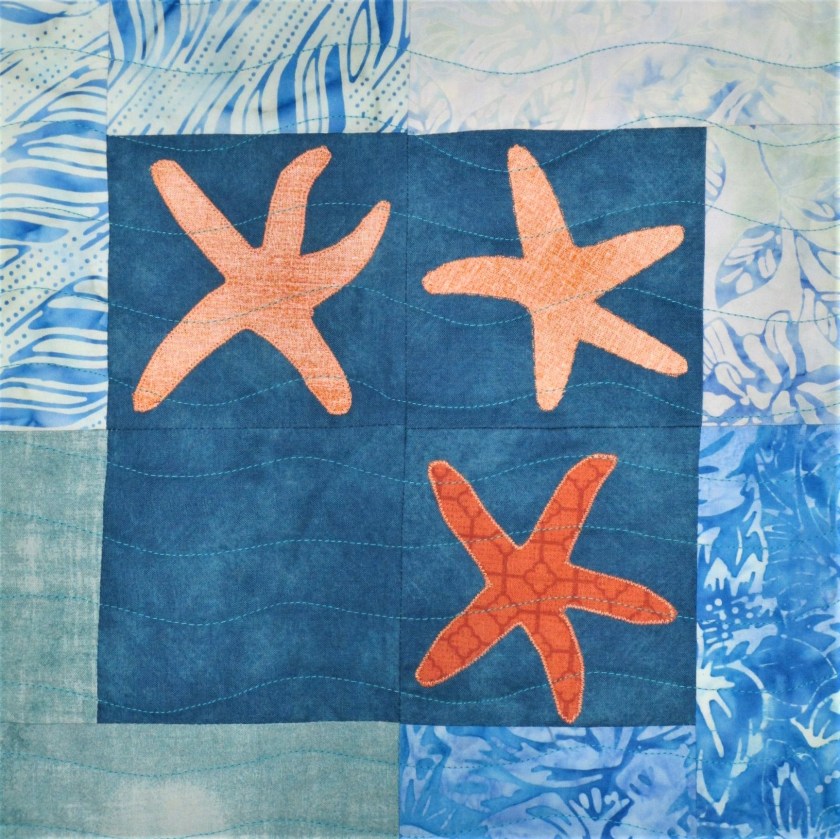
It was with great satisfaction that I sewed my last stitch into “Under the Sea” quilt. Today is the big reveal. Since many of you have already seen the completed blocks, instead I will share the inspirations for my quilt’s design.

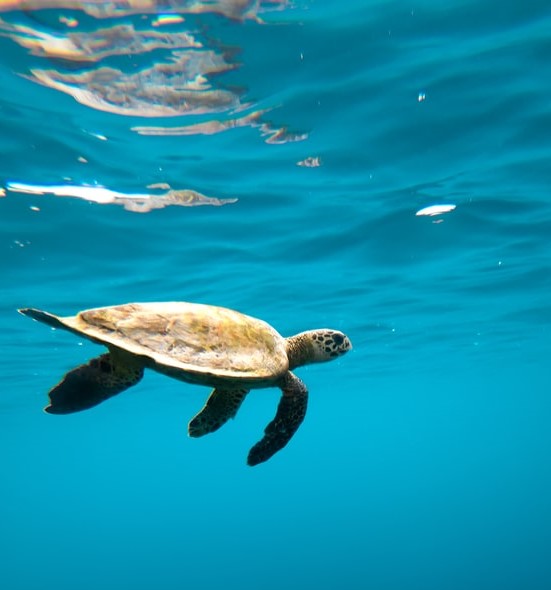
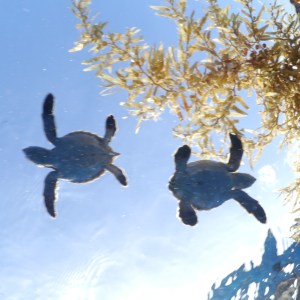
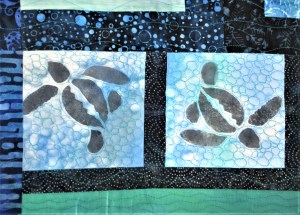
It all started with sea turtles. I painted the first one last April, on Earth Day. Ultimately, the sea turtle became the centerpiece of this project.

One thing I learned about these amazing animals is that they roam broadly over the ocean. Yet they always return to the place of their birth to start the next generation. It’s a hazardous journey across that beach. Many newly hatched turtles fall prey to other creatures. Even once they are afloat, life is precariously

As I spent time drawing various sea creatures, I realized that I would probably never see a healthy coral reef. Humans have done a poor job of conserving the world’s oceans. According to the National Geographic Society, a mere 7 percent of the sea has any official protection – and these are mostly weak rules, with multiple exceptions. Only 2.5 percent of the ocean is highly protected from human exploitation.

Most disturbing to me is the effect of global warming on the ocean. As more and more carbon dioxide is absorbed by the water, the ocean get more and more acidic. Following that process to its natural conclusion implies a great die-off of species. The acid water will dissolve the calcium in the reefs until they can no longer sustain life.

So my process of making “Under the Sea” turned into a love story about all the creatures living under the threat of extinction.

…….. and a plea to those who have the power to act on their behalf. If we do nothing, what we have left of the ocean may not be enough to sustain our own species.

Because there is always hope, I will leave you with this: The Pristine Seas project launched by National Geographic Society in 2008 has helped create 22 marine reserves across the world’s oceans. New research indicates that as a result of rigorous protection, fisheries adjacent to these no-take zones experienced a rebuilding of stock – almost doubling the catch.

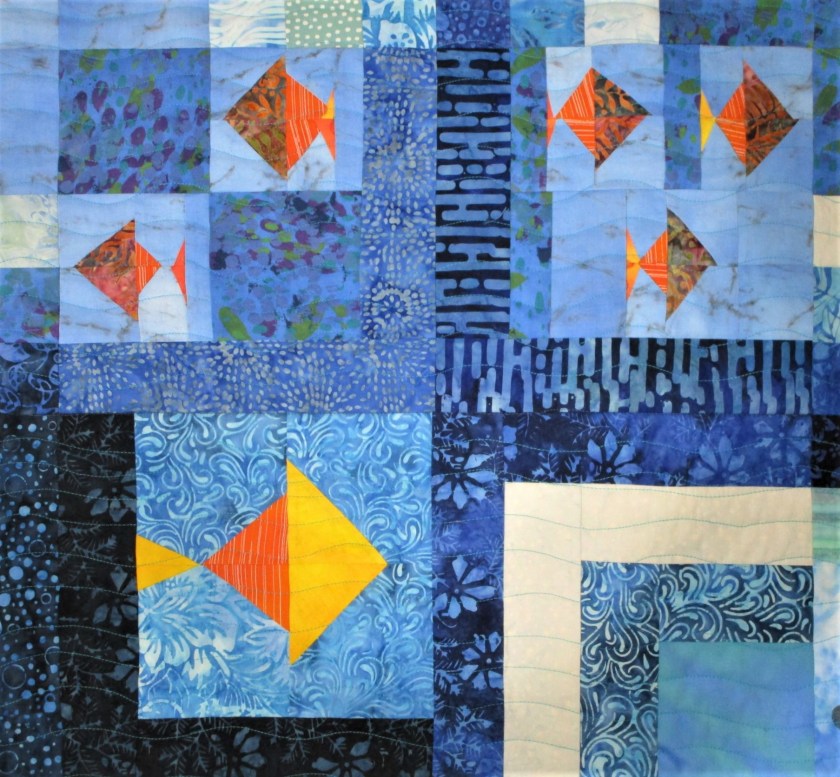
Fish blocks pieced by flip and stitch. Turtles stencil painted, free motion quilted.

It is possible to keep our coral reefs and continue to feed ourselves and our children.