Posted in drawing

Celebrate Equinox – Belatedly

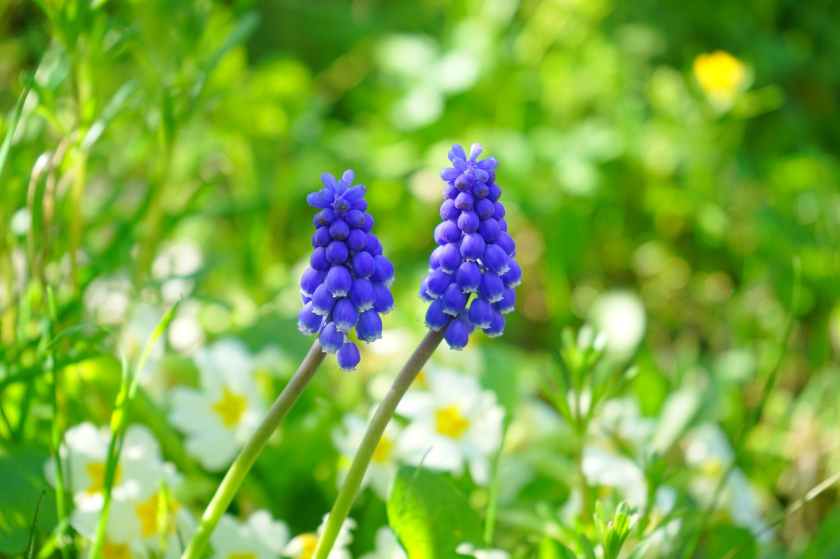
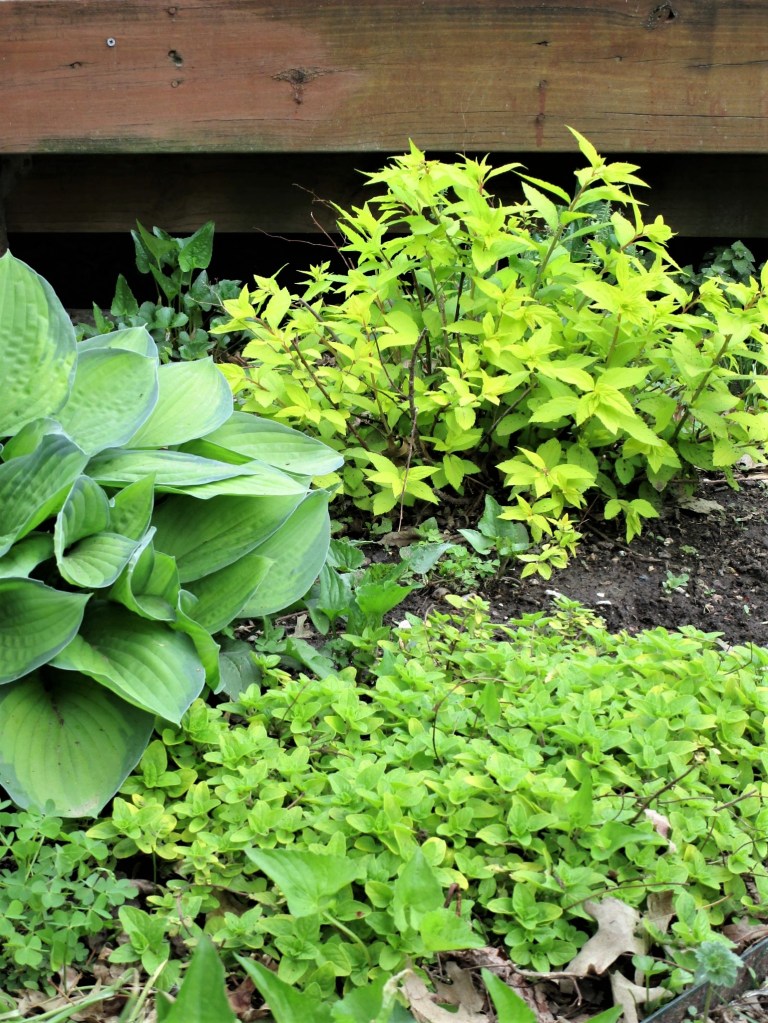
Since I missed celebrating the equinox on the right date, I am belatedly posting pictures of spring flowers blooming in my yard. This one is the front yarn, showing multiple pansies, some grape hyacinths, and the foliage of daffodils whose blooms got zapped in the late February freeze.

Another view including late blooming daffs that just opened up this week.

Two views of the back yard.

On to more artsy subjects. I may have mentioned that I am taking a course in traditional art. It runs for ten weeks, five of which are devoted to drawing. Since I am nearly finished with the drawing portion of the course, I thought I would share some pages from my sketchbook.

Full disclosure: I am not really working very hard at this, due to other, more deadline-driven projects that have eaten away at my free time. Here are some pages with notes and examples of drawing adult and child portraits.

The first lesson was about still life drawing.

Next came portraits of children. I chose to draw three girls from a photograph I found on Unsplash.com. I was charmed by their expressions.

Last Monday, we moved on to animals. This drawing is based on a magazine photograph – probably National Geographic.

SNOW LEAPORD

It’s been pretty fun so far. There is a lot light-hearted banter, and no-one is stressing about their performance very much. From feedback I have received, I am encouraged to try more portraits. I’m also ready to have a go at drawing those frisky squirrels which make their home in our trees and regularly steal food from the bird feeders.

Posted in painting

Monochromatic Study

You may recall that I was back to experimenting in water color paint earlier this week. Working with carbazole violet, I laid down a wash and then lifted the paint back in vertical lines. Because these looked like tree outlines to me, I added some pencil lines to accentuate the effect.

Yesterday I returned to this sketch. Deciding that I would continue with one color, I started to layer up violet washes between the white lines. This went pretty well, except for the fact that some of the white trunks and branches got covered up. In my mind the painting was ruined. Instead of giving up on it, I let the paint dry and then, following the lines of the trunks, lifted up the paint to find some branches. I stroked some paint horizontally in the foreground to suggest tracks in the snow. Finally I dabbed water and dots of paint in upper area of the paper, splashed on more water and let it dry again. Now I was willing to sign this one.

GHOSTLY TREES

It’s interesting how much I am learning by doing with these little pieces. I guess it’s the idea that there is no price to pay for failure.

Only a small scrap of paper and a bit of my time.

Posted in painting

Sunset at the Wash

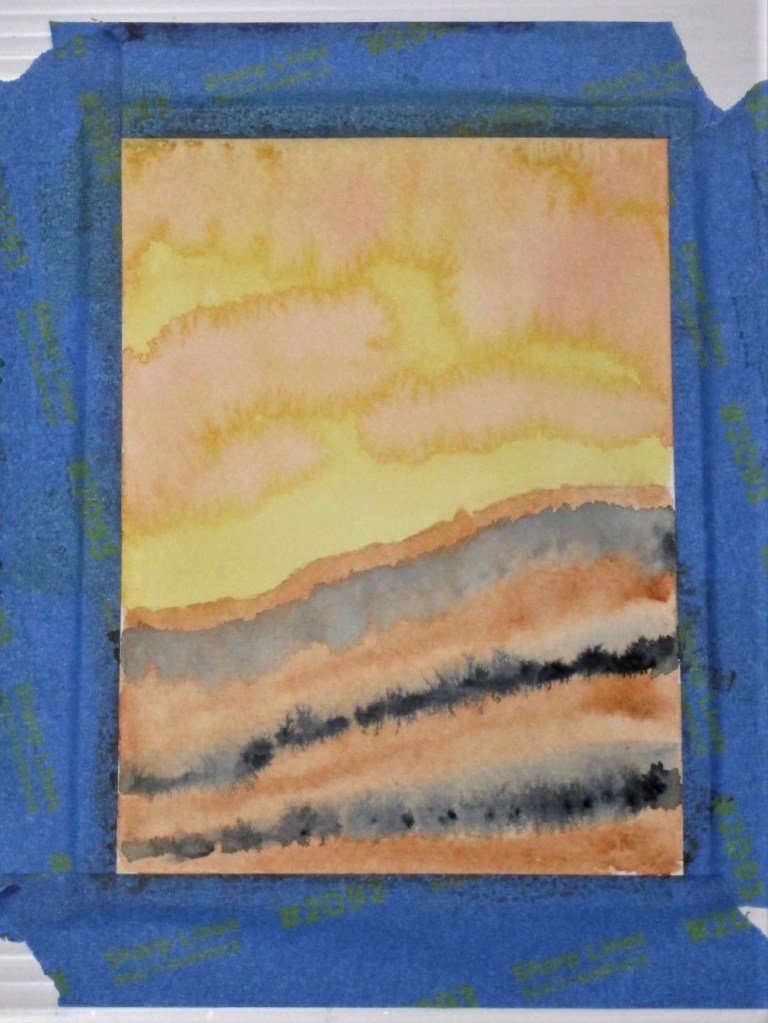
For my exercise, I wanted to experiment with a quinacridone gold wash. Since it is a staining pigment, I decided to pair it with burnt sienna, a granulating pigment. With the idea of a sunset, I added some splashes of alizarin crimson. Streaks of payne’s gray served to ground the image.

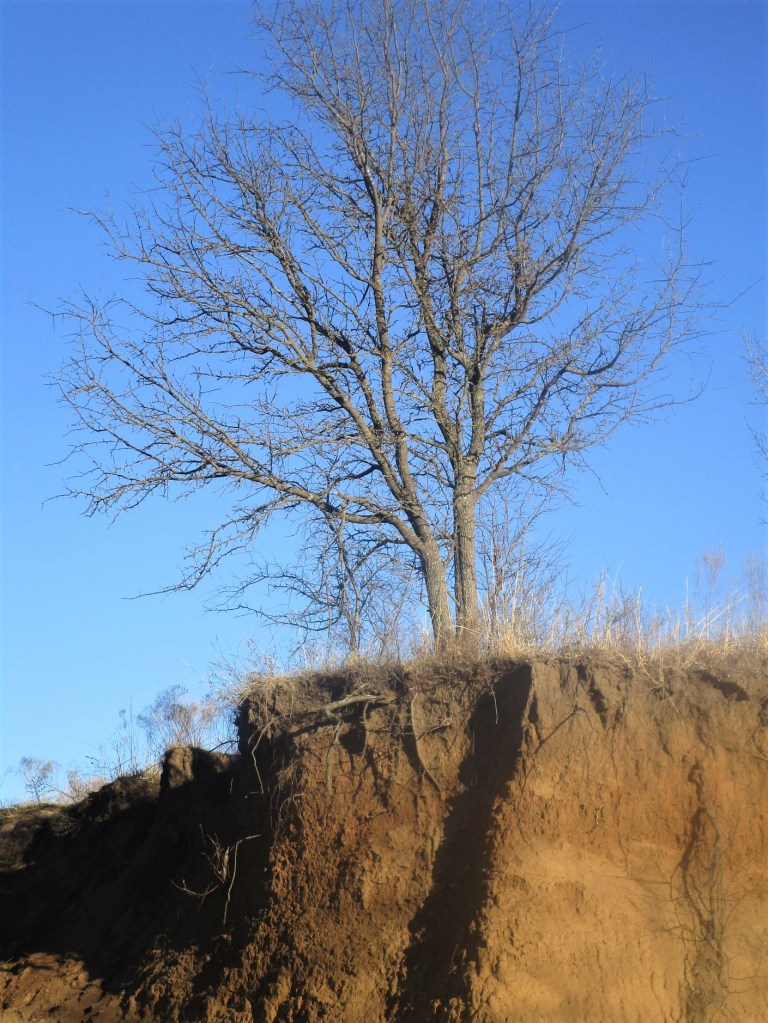
I love the mingling of the pigments so far. This image reminds me of a place at Tallgrass Prairie, where rushing water had torn away part of a ridge, exposing roots and strata of soil. I quickly painted in some details to complete the scene.

Later, I searched my photographs for a picture of the wash.

If I were to paint this scene again, I would include the deep shadows where the landform bends away from the viewer.

Painted wet-in-wet and wet-in-dry with a Sumi brush on 140 lb. cold press paper.

Posted in painting

A Rosy Picture

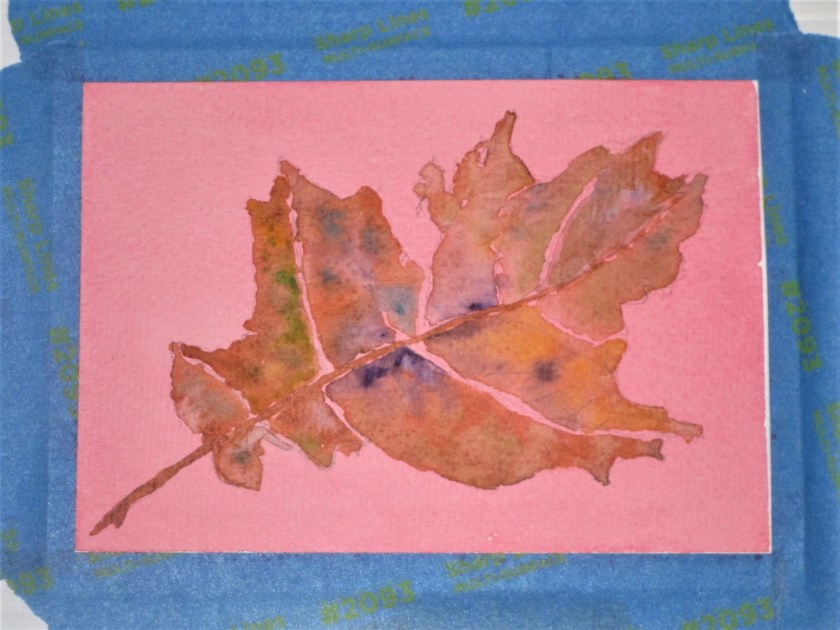
Still working with the quinacridone red wash, I decided to paint a dried-up oak leaf over the washed paper. Here is my pencil sketch, drawn from a leaf I brought home with me a few weeks ago.

My experiment today is with a wet-on-wet technique. First I used plain water stroked over sections of the leaf individually. Then I dropped in burnt sienna. After watching the brown spread out, I added drops of different colors.

Adding details, I painted in the stem, veins and a shadow. Next came a little white gouache stroked over the pale veins. And finally some brown pen outlined the edges.

This one makes me feel happy.

Posted in painting

New Year Changes

Yesterday I got to work on changes to my studio, so that I can keep painting and sewing projects going at the same time. First of all, I put together a table top pressing board. It is a rectangle measuring about 19 by 21 inches. This addition allowed me to put the big ironing board away in the closet. I set up the card table under the window.

There is just enough room to allow me to paint on one canvas at a time, with all of the painting supplies directly at hand. To the right you see the big table that serves as my main work surface. The Bernina is on the shelf, ready to go at a moment’s notice.

To test out this arrangement, I got busy with the watercolors. I brushed washes on to two pieces of paper. My inspiration for the first painting was a photo I took when visiting Ohio in November. It is a slightly fuzzy image of Mogadore reservoir, the shoreline surrounded by bare branches.

Quite a lovely, abstract landscape. Here is my interpretation of the scene using a violet and turquoise wash blended slightly.

The second piece of paper was washed with the turquoise alone – two coats to get it even. For inspiration, I flipped through some reference photos I had saved and came up with this indigo bunting.

It inspired me to attempt a negative painting. In this technique, you paint around the area of the subject, drawing it out by subtracting the surrounding space. This first try at negative painting didn’t go very smoothly. I ended up having to use some white gouache on the bird to pick out the details.

Once the paint had dried, the little bird flew away. He found a perch among some of his feathered friends. I quickly snapped this photo.

Birds of a Feather” by Cheryl Bryan. This watercolor also features negative painting

He seems so at home there.

Frame made from old fence slats by my husband.

The casual observer will notice that my background turned out very streaky. I used a combination of burnt sienna and Payne’s gray with not too much water. It took a few coats over the turquoise wash to get the uniform color I was seeking. I used quinacridone gold on his perch.

Perhaps tomorrow I will start sewing again.