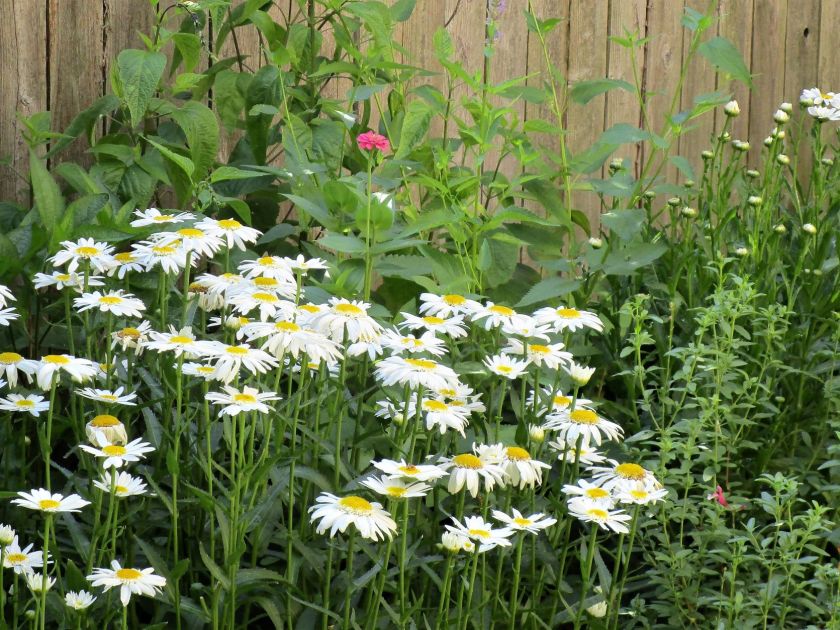
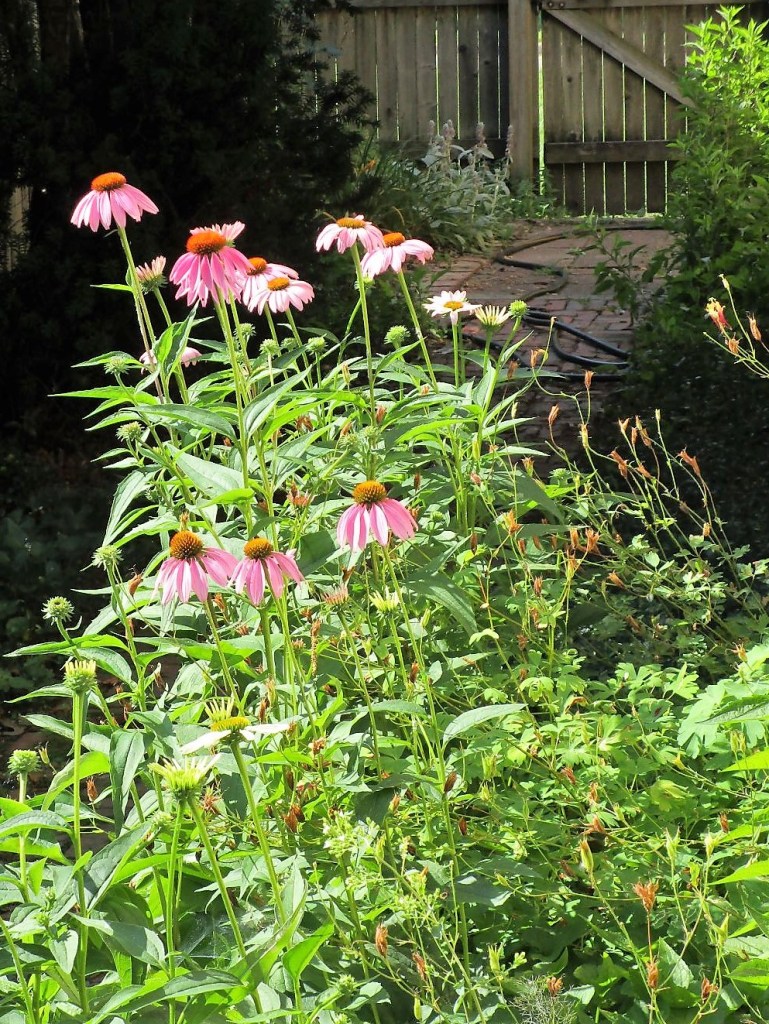
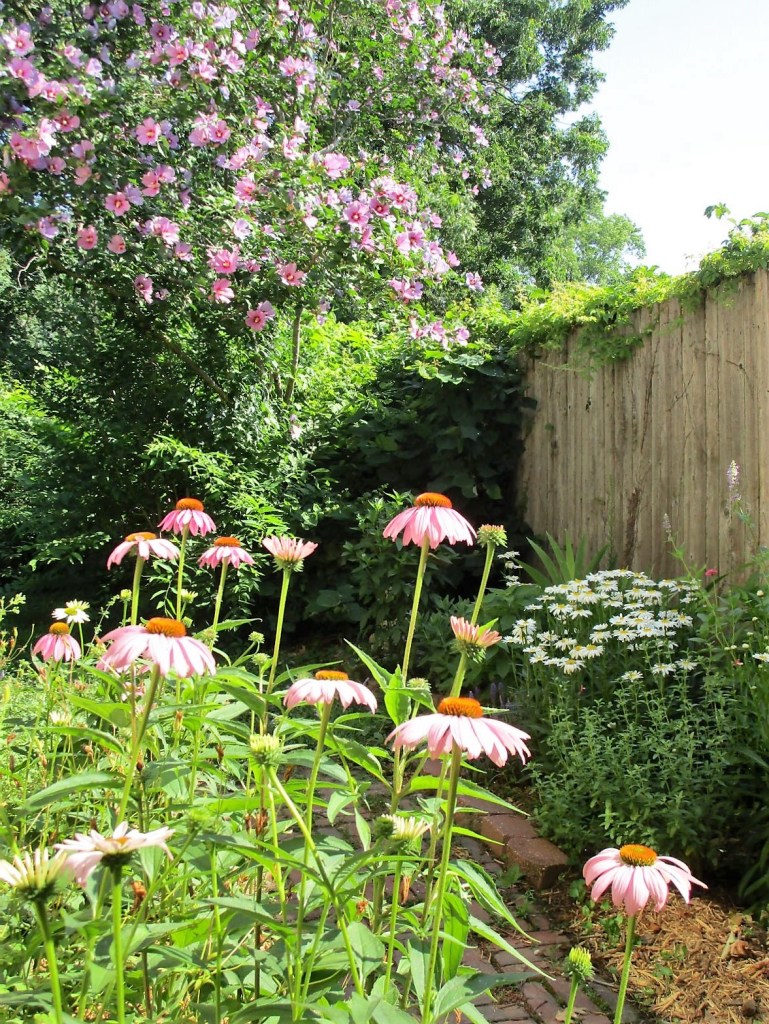
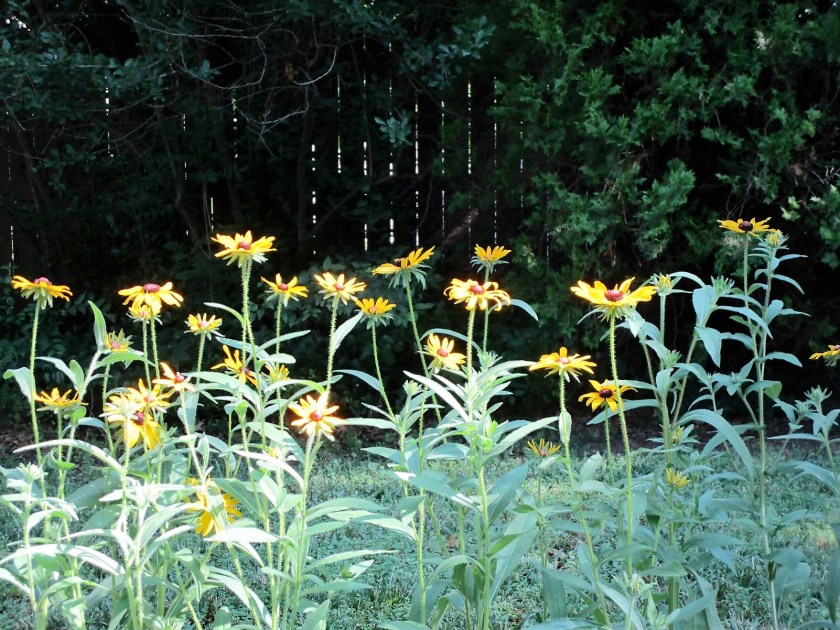
What better way is there to welcome summer than with an abundance of flowers? (and one vegetable?)
I hope you are enjoying your summer!
What better way is there to welcome summer than with an abundance of flowers? (and one vegetable?)
I hope you are enjoying your summer!

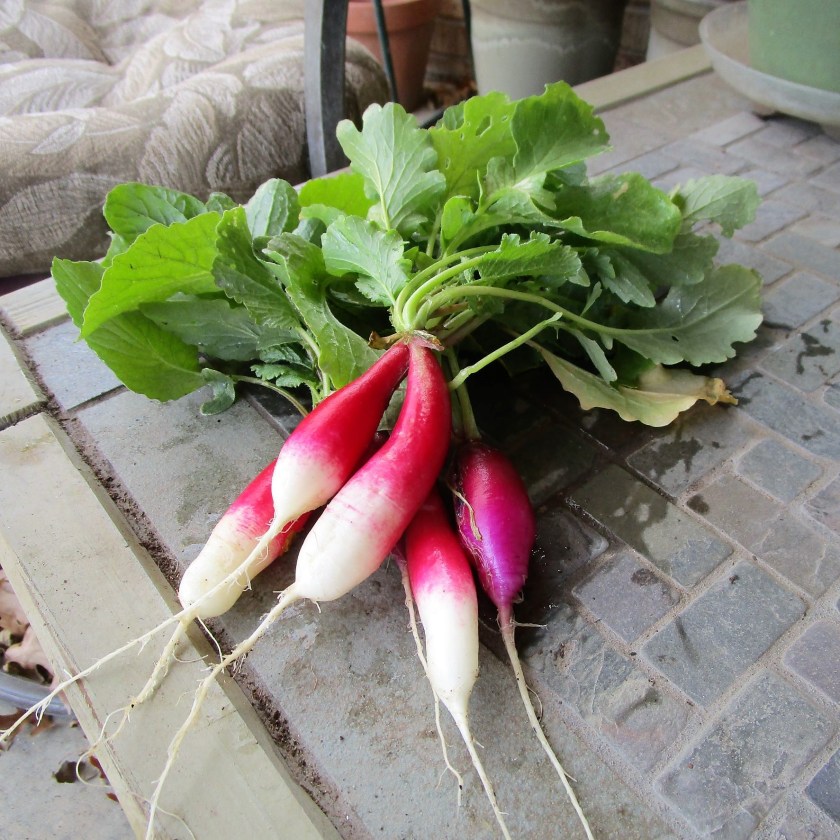
I can’t let December pass by without writing about the garden produce I harvested this month. I like to think of these as gifts from Mother Nature to me.
The first image you see is a bunch of French Breakfast radishes from seeds sown in October. They were ready to eat in early December. I’ve been pulling a handful every week this month. Shredded and sliced they give a fresh crunch to salads. I even made a carrot and radish coleslaw dressed with a light vinaigrette.
There are a few interesting things to note about winter grown radishes. As you can imagine, they grow more slowly than they did in the spring. But they also remain ready to eat in the ground for weeks and don’t get woody. The hot peppery taste is much reduced.
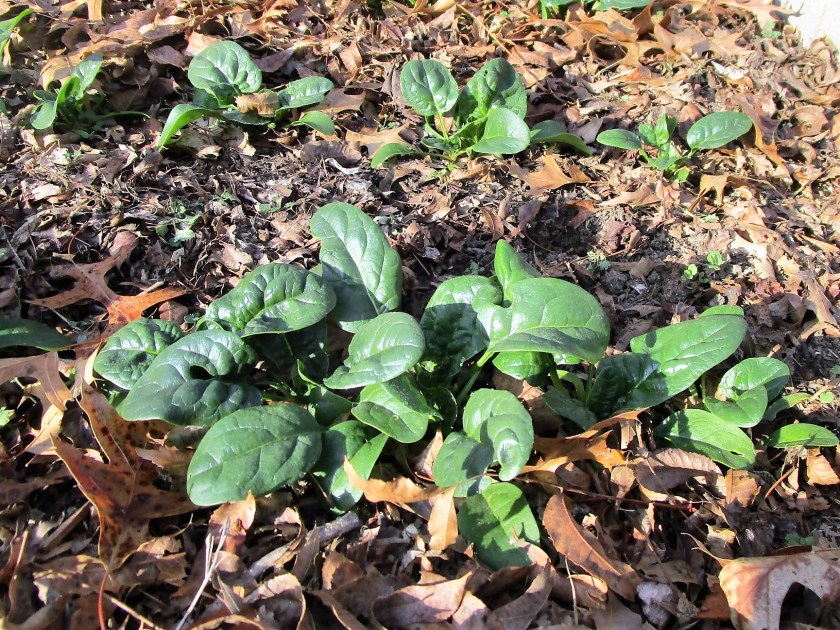
I plant spinach nearly every October, typically at the same time that I plant garlic. Usually it germinates, makes a few leaves and then goes dormant until spring, at which time it explodes with growth. This year, it continues to make new leaves. I cut enough spinach for two salads in the last two weeks. The texture is velvety and the flavor is mild.
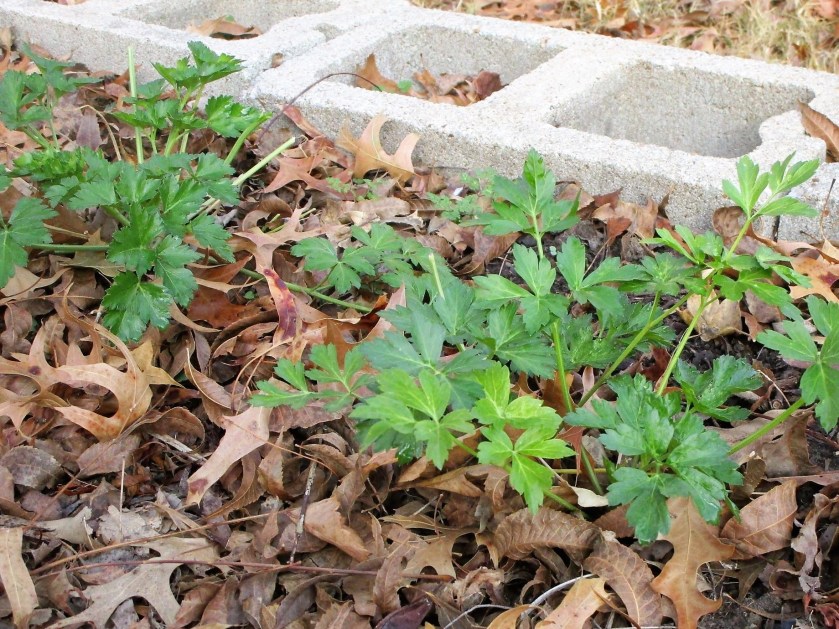
This Italian parsley was planted from transplants in early summer. Parsley is a bi-ennial. I usually get lots of leaves the year it germinates. Going into the next year, it produces leaves until the heat sets in, when it blooms, sets seed and dies.
This year I was unable to harvest any of parsleys during summer and fall because of the black swallowtail butterflies. They kept laying their eggs on it. The crop of caterpillers ate everything except a couple of stems. But lo and behold, come late fall the plants all produced nice umbrellas of leaves. I’ve been taking cuttings for the past two months pretty regularly. I’m wondering how these plants will behave next year.
This week the temperatures have dropped back into the twenties at night. So, the curtain may now be descending on the final produce production of 2021.


Something completely different today. Fiber friends, please indulge me while I glory in seasonal produce.
During my daily walk through the back yard, I realized that the basil plants were at the perfect stage of growth to be harvested for basil pesto. They had lush, big, green leaves, without blossoms, but highly fragrant. How fortunate that I had all I needed in my pantry, including home-grown garlic dug up about six weeks ago.
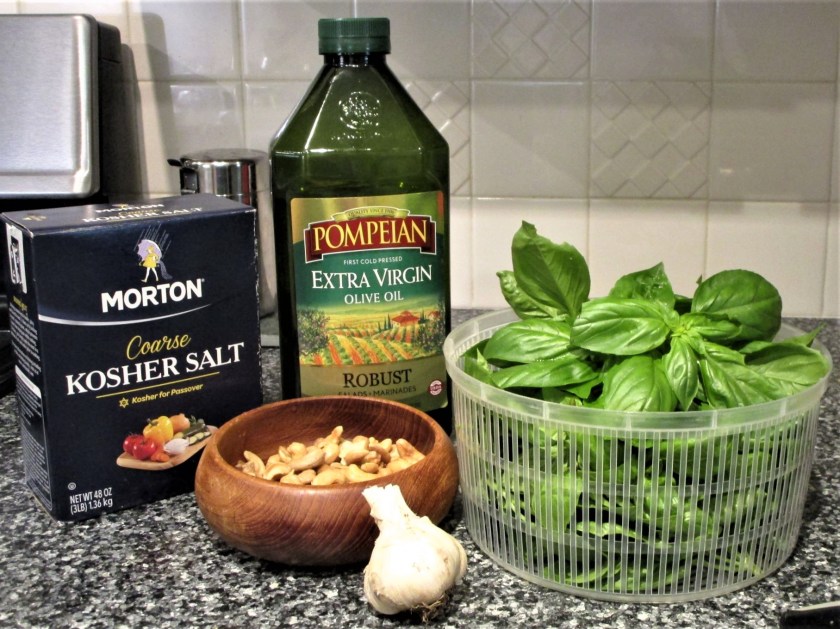
After washing and spin-drying the basil leaves, I got out my well-used recipe for this delicacy. It’s from a collection published by my herb club friends in Plano, TX. This version was submitted by Gladys Denham. Begin with these items.
In blender or food processor, grind the garlic. Add the nuts and grind some more. Add a small amount of the basil and just enough olive oil so that the machine will grind the leaves. Keep adding the basil and oil until all is incorporated. Add the salt just before the final grind.

Here’s where I vary from tradition. At this point in preparing classic pesto, grated cheeses such as Parmesan and Romano are stirred into the mix. Instead, I pack the ground mixture into sterilized jars and freeze it.

Throughout the year, when I need some fresh basil for a recipe, I just thaw out a couple of tablespoons. If I am making classic pesto sauce for pasta, I will thaw the mix, add cheese and a little butter. It’s then ready to stir into hot cooked pasta.
The best part of making pesto is using the leftover bits in the blender jar as a topping for cream cheese and crackers.

What a heavenly and fragrant lunch! Today I had fresh mozzarella and Italian salami to accompany my pesto.

 Daily Fiber