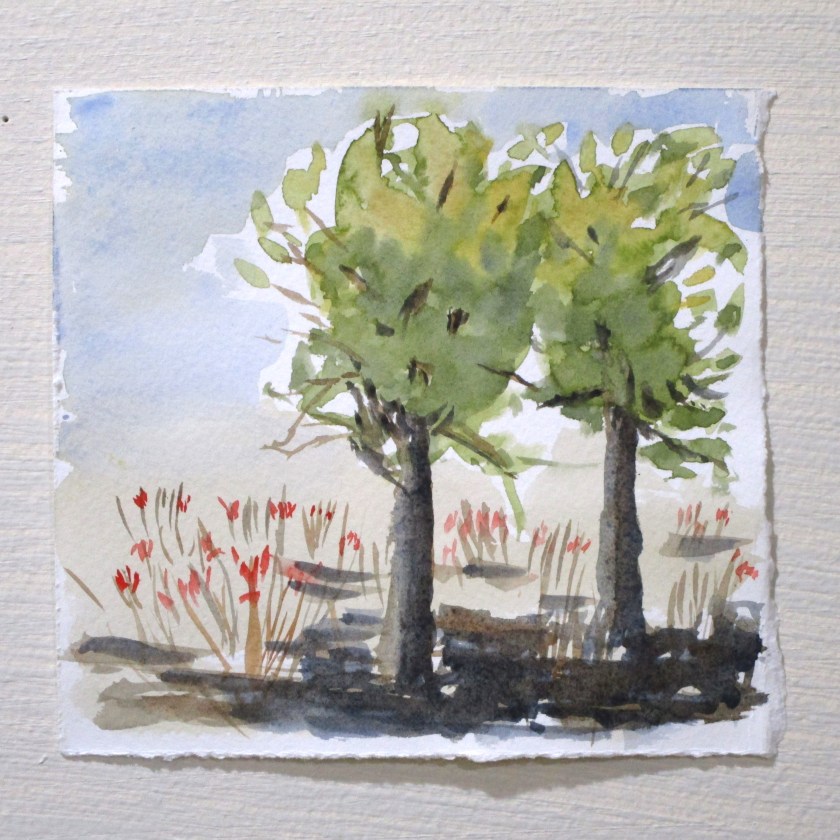
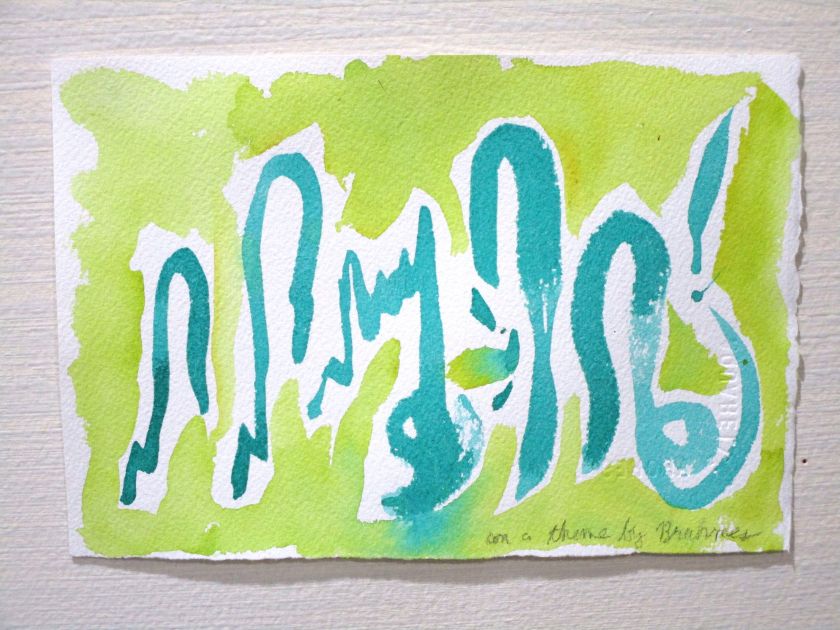
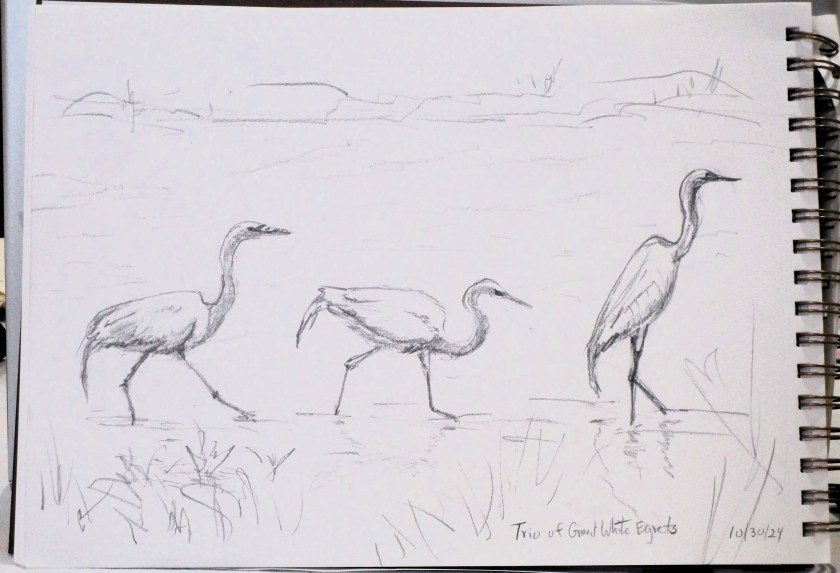
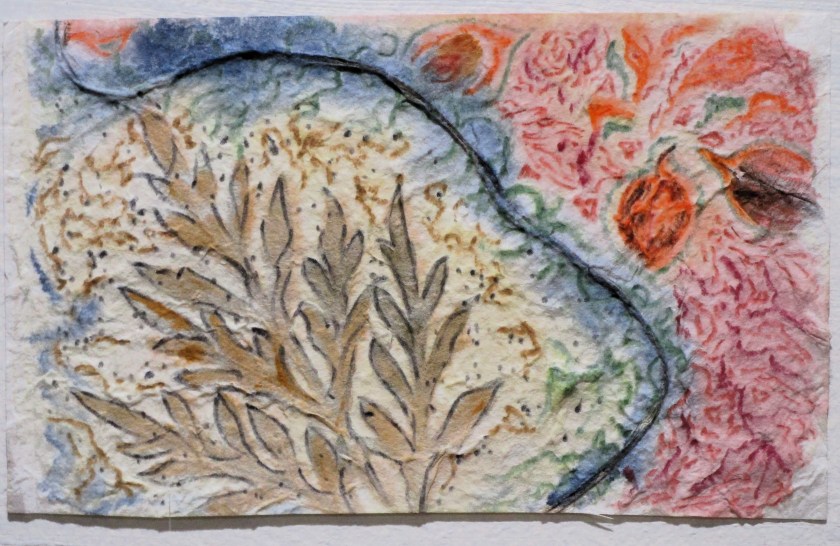
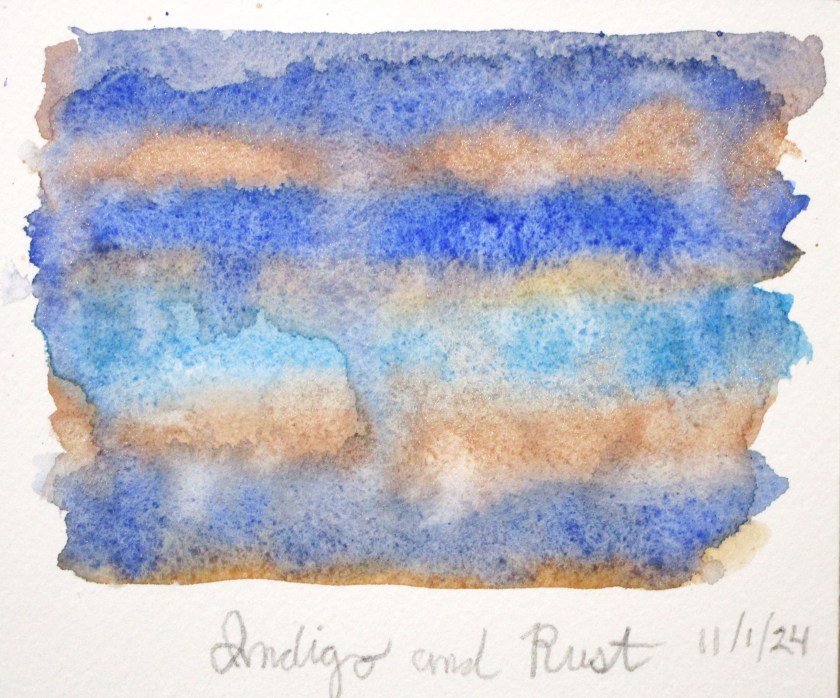
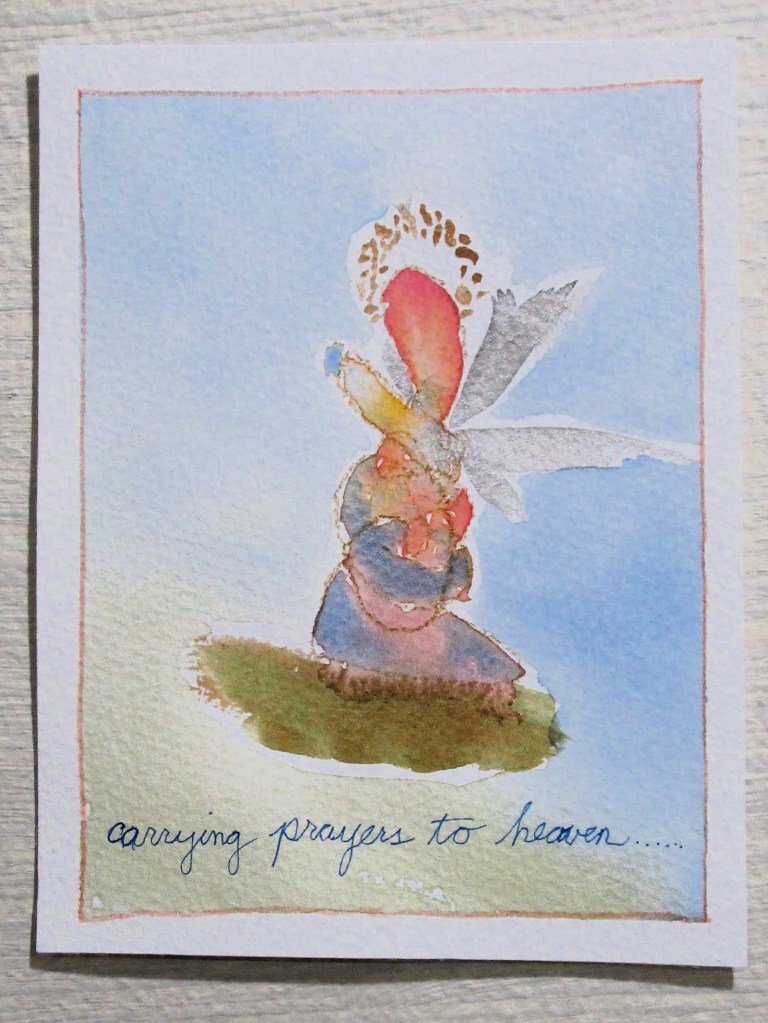
I am following simultaneously The Artist’s Way, by Julia Cameron and Watercolor is for Everyone, by Kateri Ewing. Here are the exercises and practice paintings I completed since Sunday.
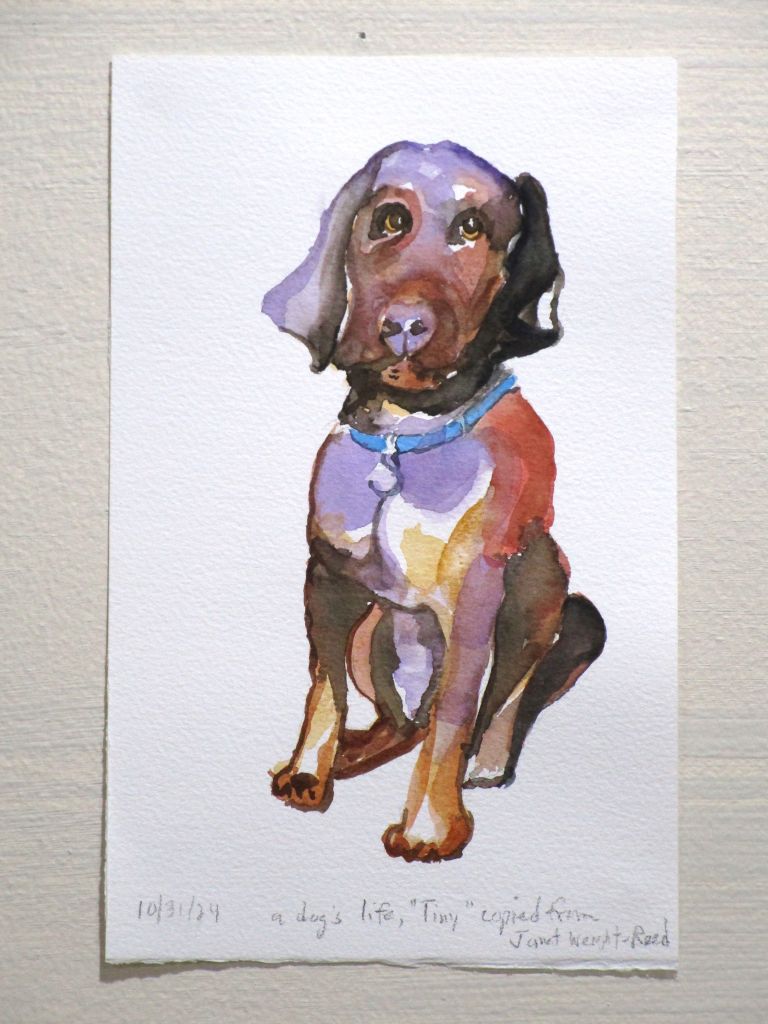
Twin TreesAbstract inspired by a melody of BrahmsA Trio of Great Egrets, based on photographs by Bill RileyAutumn Impression. Painting on rice paper that was embedded with plant materials.Portrait of Tiny, copied from a painting by Janet Weight-Reed
After my latest experience in watercolor painting that yielded (to me) disappointing results, I decided to sign up for a tutorial. I reasoned that it would give me some pointers on realistic shadows and rebuild my confidence in painting.
Shari Blaukopf has a new course that teaches painting spring flowers. This will be my fourth or fifth tutorial with Shari, so I knew what to expect.
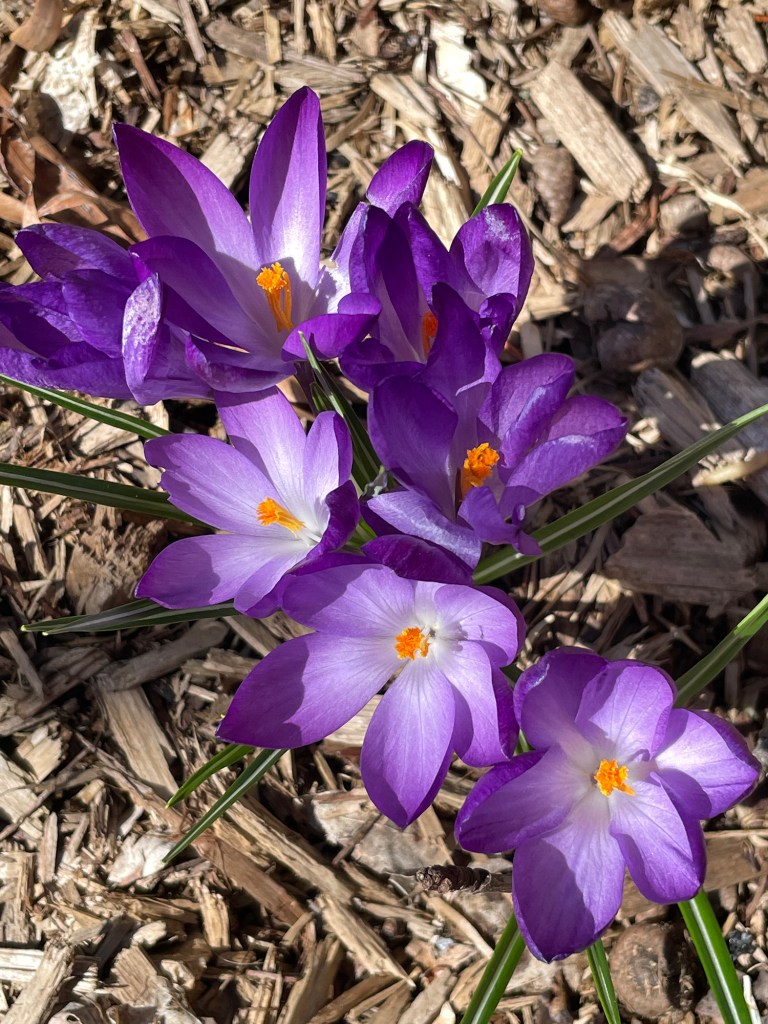
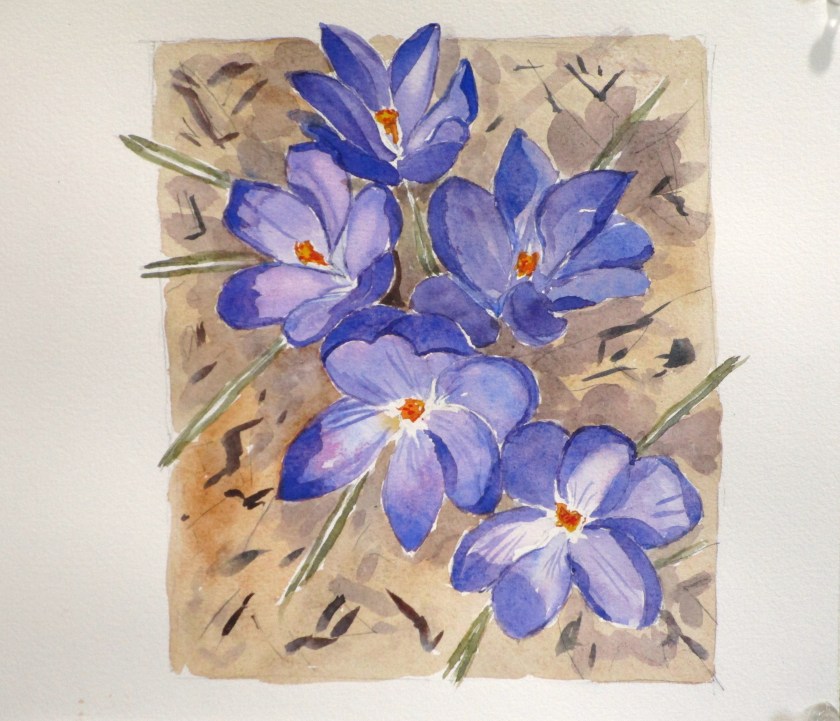
The first lesson is crocuses. Shari chose a perspective that it dramatic and not hard to do. Her reference photo was taken looking straight down at a group of flowers just opening up.
COPYRIGHT SHARI BLAUKOPF
I jumped right into the lesson, sketching it yesterday and painting it today.
Maybe I could have made my cast shadows darker.
This exercise was fun and relaxing. The palette I used incuded cobalt blue, quinacridone magenta, hansa yellow deep, transparent orange, carbazole violet, burnt sienna, ultramarine blue and yellow ochre. Paper is Arches cold press, 140 weight.
After I finish the next two lessons, I’ll go back and try painting my Admirable Weeds subject again.
As I ponder my goals for 2024, I am reminded of one goal that has history. Looking back on annual goals for three years, one item seems to pop up every year: mastering the brioche stitch. I have tried and failed.
Gentle reader, if you are not a fan of knitting, you may wish to stop reading now and move on to a post more to your taste. If you are a knitter, you are probably at least a little sympathetic. Maybe you also have tried brioche. If not, here is a wonderful example illustrating why you may want to learn it.
In brioche, there are often two colors worked together. Each row has 2 passes – one for the light color and another for the dark. It is truly double knitting and as such, makes incredibly plush and warm garments. But it has its own language with unique chart symbols used only in brioche knitting.
Emelie’s cowl is what I lust for. But, let’s be real, my first brioche garment is more likely to be one of these:
After three false starts while watching a Craftsy tutorial that didn’t help me at all, I turned to Utube and got some help. Andrea Mowry’s tutorial on two color brioche worked flat broke me through my learning curve.
Here is the beginning of my swatch:
There are a few mistakes, but I let them be. Unknitting brioche is almost as challenging as knitting it is. For now, I’m happy to have dipped my toe in the murky brioche waters. It is a good enough start.
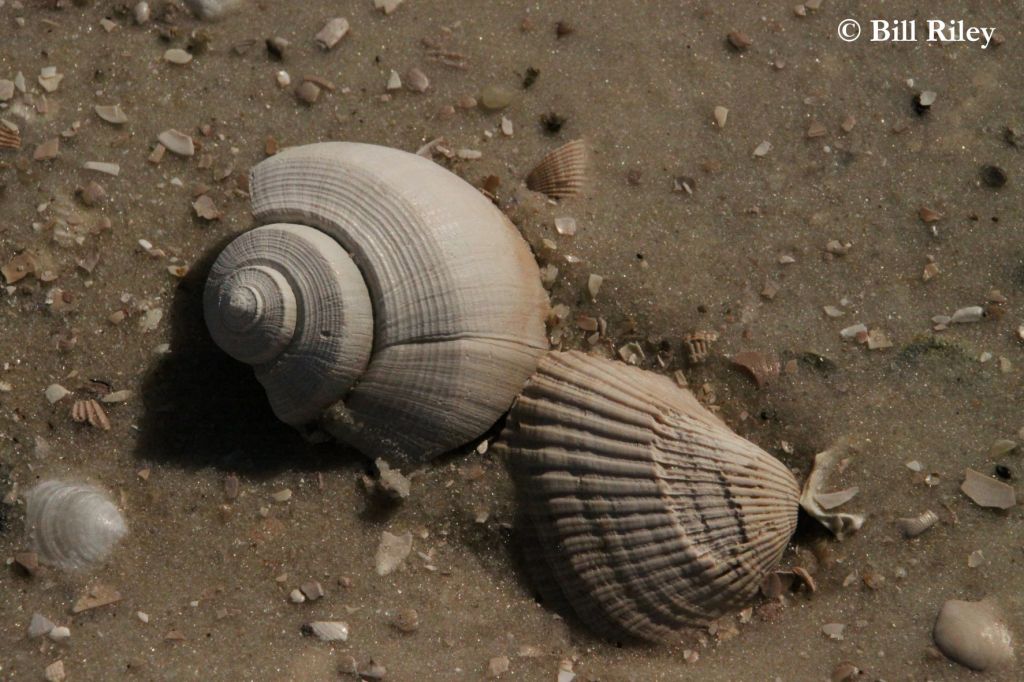
For this week, I worked with a very nice selection of Bill’s photographs.
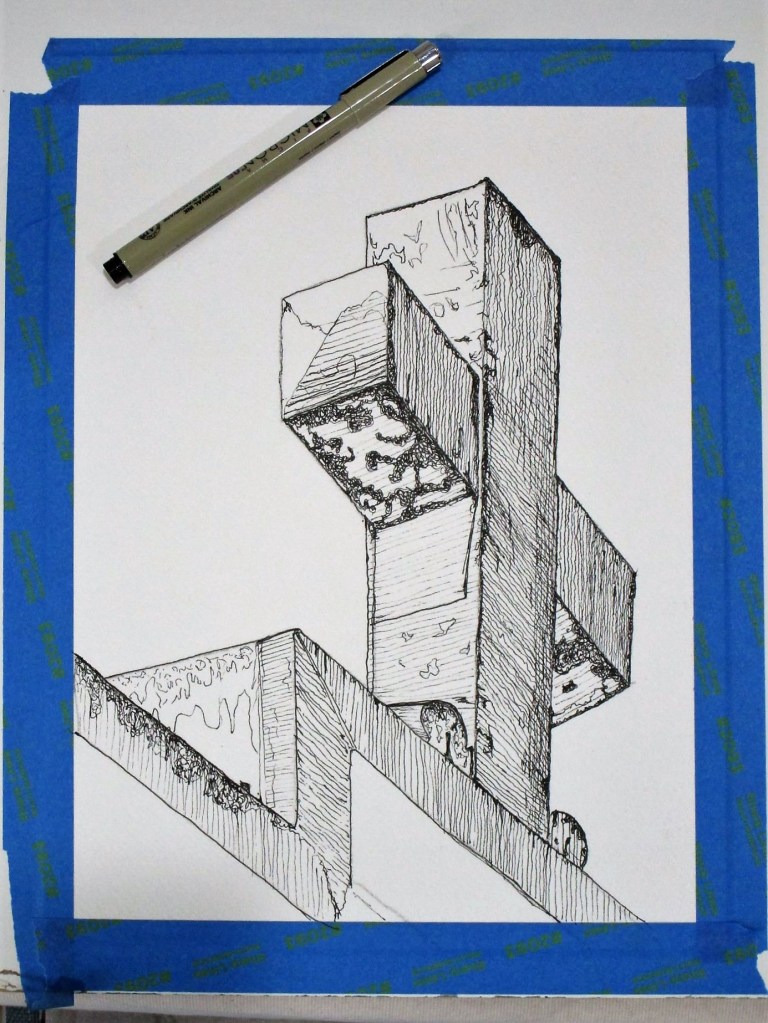
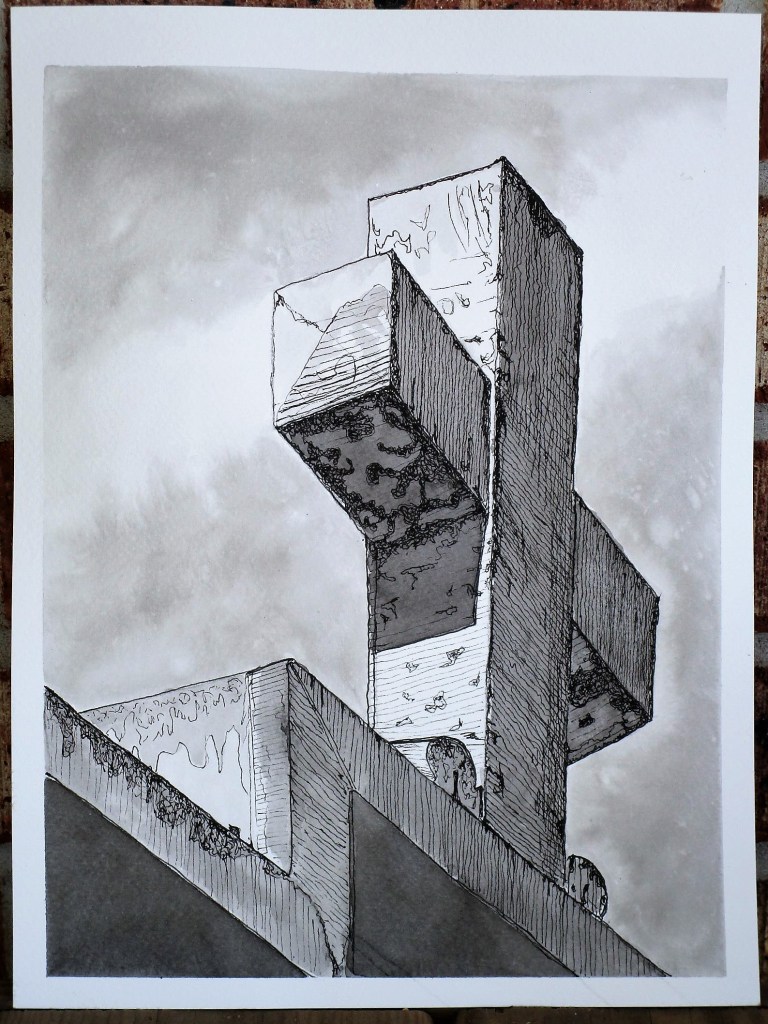
I was drawn to this one by its lines, texture and geometry. To bring those characteristics to the fore, I used pen and ink to render the cross.
DAY 6:
Day 7: Adding Sumi ink wash.
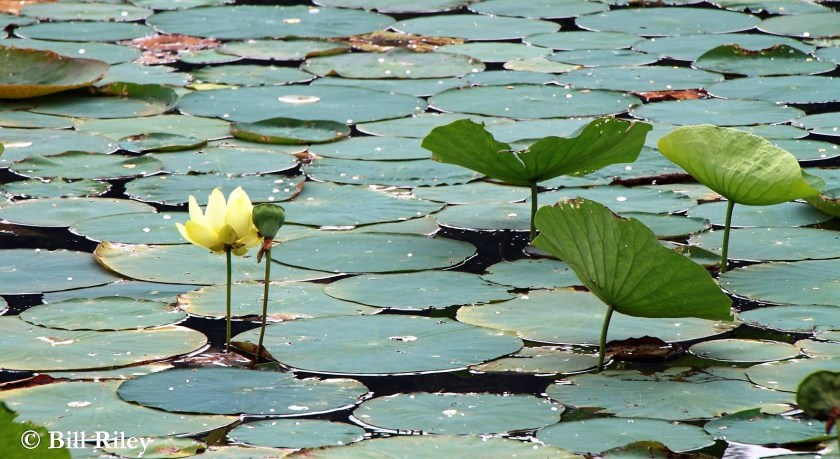
Photograph Two
In looking at this photograph of waterlilies, I got the impression that the leaves and blooms rising above the water line looked like actors on a stage, with the flat lily pads as the audience. To emphasize this impression, I used mostly pencil, and a cool wash to the background; warm, bright paint to the subjects.
Days 8 and 9:
Photograph Three.
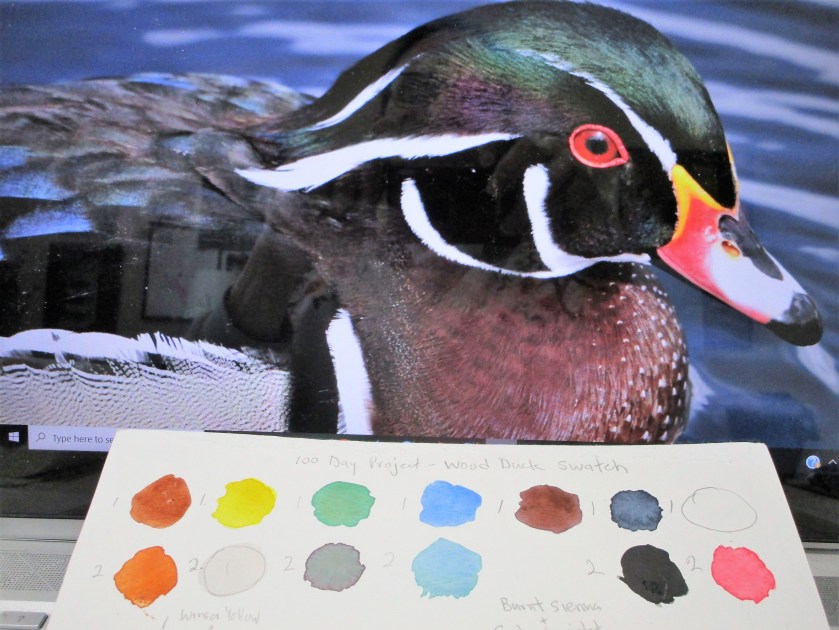
Bill’s close up of a wood duck was begging for another paint swatch study. So that what I did on Day 10.
First, I brightened up the image using photo editing software. Using my watercolors, I discovered that it took eleven different pigments to match all the different colors of this bird. And after I finished the swatches, I was in love with wood ducks. So, I proceeded to paint him.
Days 11 and 12:
That finished out my week. Looking back at what I had done, I noticed that most of the work was realism. I’d like to challenge myself to try for more abstract images in the next week.
My imagination was captured by the 100 Day Project Challenge. The idea is simple: choose a creative project, do it every single day for 100 days, and share your process on your social accounts using the hashtag #The100DayProject.
After thinking about aspects of my work that I want to improve, I hit upon the idea of collaborating with my husband, Bill. He is a dedicated photographer who carries his Canon with telephoto lens everywhere he goes. Consequently, he has an immense library of images. So here is what I suggested to him:
Process: From his library of photographs, he will curate several dozen into collections with prompts generated by me. From that point, I will create artwork based on the images, working daily for 100 days.
Guidelines: There are almost none. Back and forth consultations between photographer and artist are encouraged. I agreed to publish his photographs only if they are stamped with his mark.
Here are the prompts I provided to Bill:
Atmosphere
Best of the Birds
Creatures Great and Small
Faces
Gardens
Kids’ Stuff
Light Effects
Mineral
Photographer’s Choice
Rural America
Seasons
Transportation
Urban Architecture
Vacation Favorites
Waterscape
My plan is to work daily, but post on this site only once a week. I have no idea how many paintings, drawings, sketches, quilt blocks or knitted swatches will be made, so it seems easier just to group them.
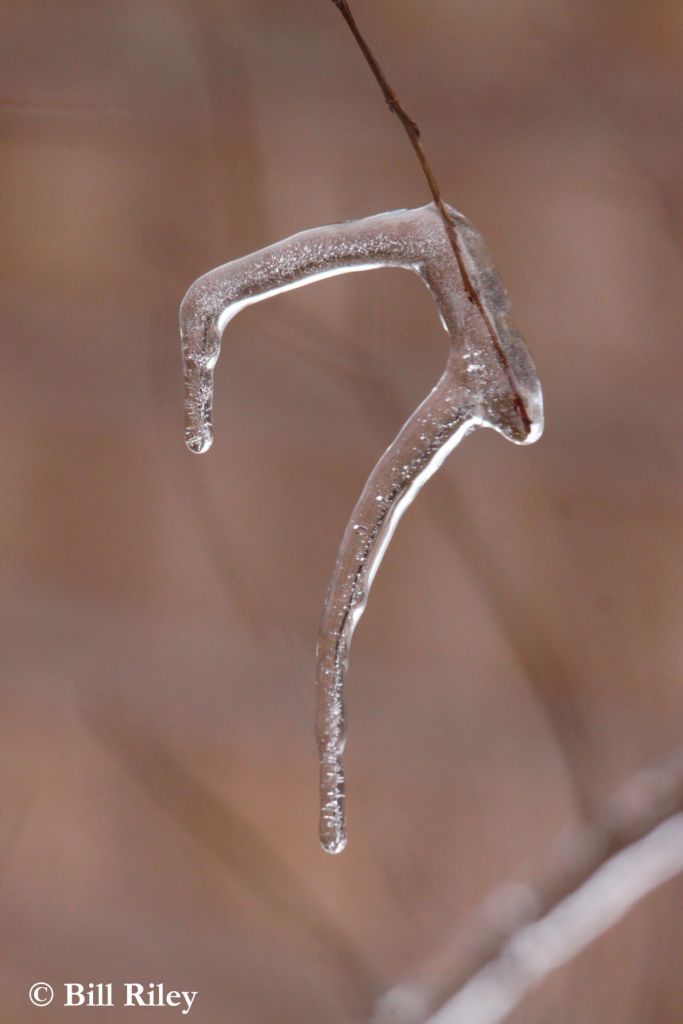
And here are the images I have chosen for study the first week of the challenge.
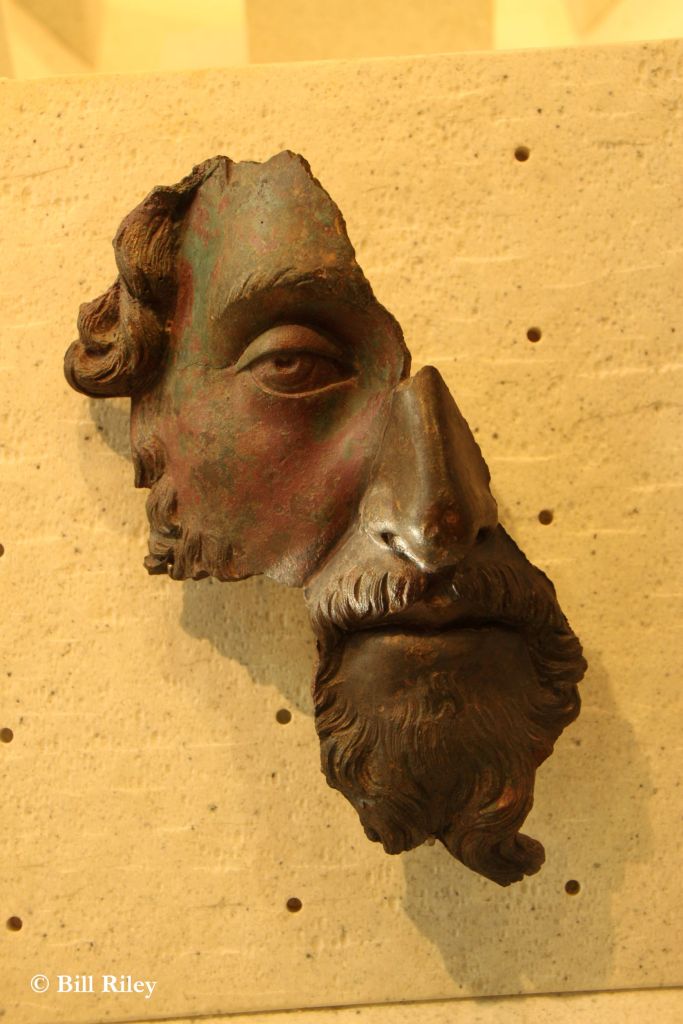
BIRDSMINERALWATERSCAPEWATERSCAPESEASONSFACES
Photographs by Bill Riley, reuse by permission only.